Get Full Government Meeting Transcripts, Videos, & Alerts Forever!
Get email alerts on the Defamation Corrections topic
No spam. Unsubscribe anytime.
Committee Hears Bill to Extend Timeframe, Require Online Corrections for Defamation Claims
Summary
House Bill 3564 would extend the statutory period to demand a retraction from 20 to 60 days, permit email notice and require publishers to link or correct archived online material; sponsors said the changes update a statute first enacted in 1955 to reflect digital media and reduce long-term misinformation risk.
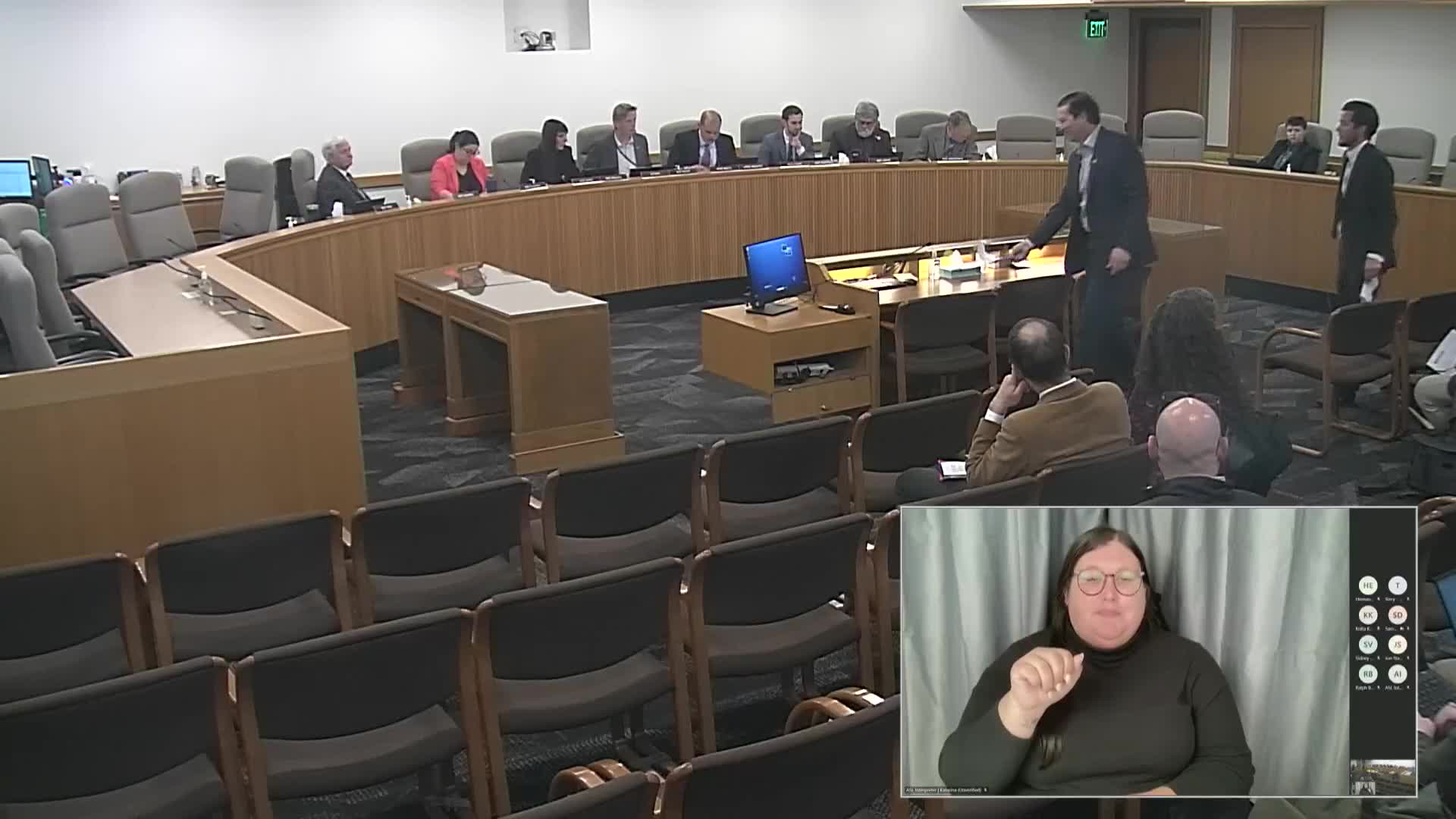
The House Committee on Judiciary held a public hearing March 18 on House Bill 3564, which would update the state’s statutory process for demanding retraction or correction of written defamatory statements.
Rep. Darren Harvick, the bill sponsor, described HB 3564 as modernizing a statute first enacted in 1955 and noted the only prior amendment (ORS 31.215) occurred in 1991 to add certified mail. The bill would clarify that civil actions for defamation can arise from printed or electronic publications, extend the deadline for a defamed person to demand a retraction from 20 to 60 days, allow email as an acceptable means of delivering a demand, and direct publishers to investigate a demand within two weeks. If a publisher agrees a retraction is warranted, the bill would require traditional broadcasters to issue the retraction on the next broadcast and require online publications either to edit the original defamatory material or to place a link to the correction adjacent to the original item.
Tyler Harvick, legislative assistant to Rep. Harvick, described his personal experience pursuing a correction under the existing law and said the current statutory requirements allowed corrected statements to remain embedded in archived articles without a visible link to the correction for months. “House Bill 3,564 makes changes to the law so that if the publication agrees to issue a correction or retraction, they must immediately place a link to the correction or retraction on any page that contains the defamatory statement or edit the defamatory statement by removing it,” Tyler Harvick said.
Representative Mannix asked whether the proposed change would help readers identify older corrections; Rep. Darren Harvick and Tyler Harvick said the bill’s linkage or edit requirement would do that. Representative Choi asked whether the publication in the Harvicks’ example had pushed back; Tyler Harvick said his attorney provided the statutory guidance and the publication complied once notified.
The measure also would give a publisher two weeks to investigate a demand for retraction or correction and includes technical clarifications to ensure the statute applies to electronic archives and to guard against persistent errors being reused by machine systems such as artificial intelligence.
No committee vote was recorded during the public hearing; the committee closed the hearing at the end of testimony.