Get Full Government Meeting Transcripts, Videos, & Alerts Forever!
Get email alerts on the Professional Discipline topic
No spam. Unsubscribe anytime.
Oregon lawmakers hear testimony to limit public display of resolved counselor discipline
Summary
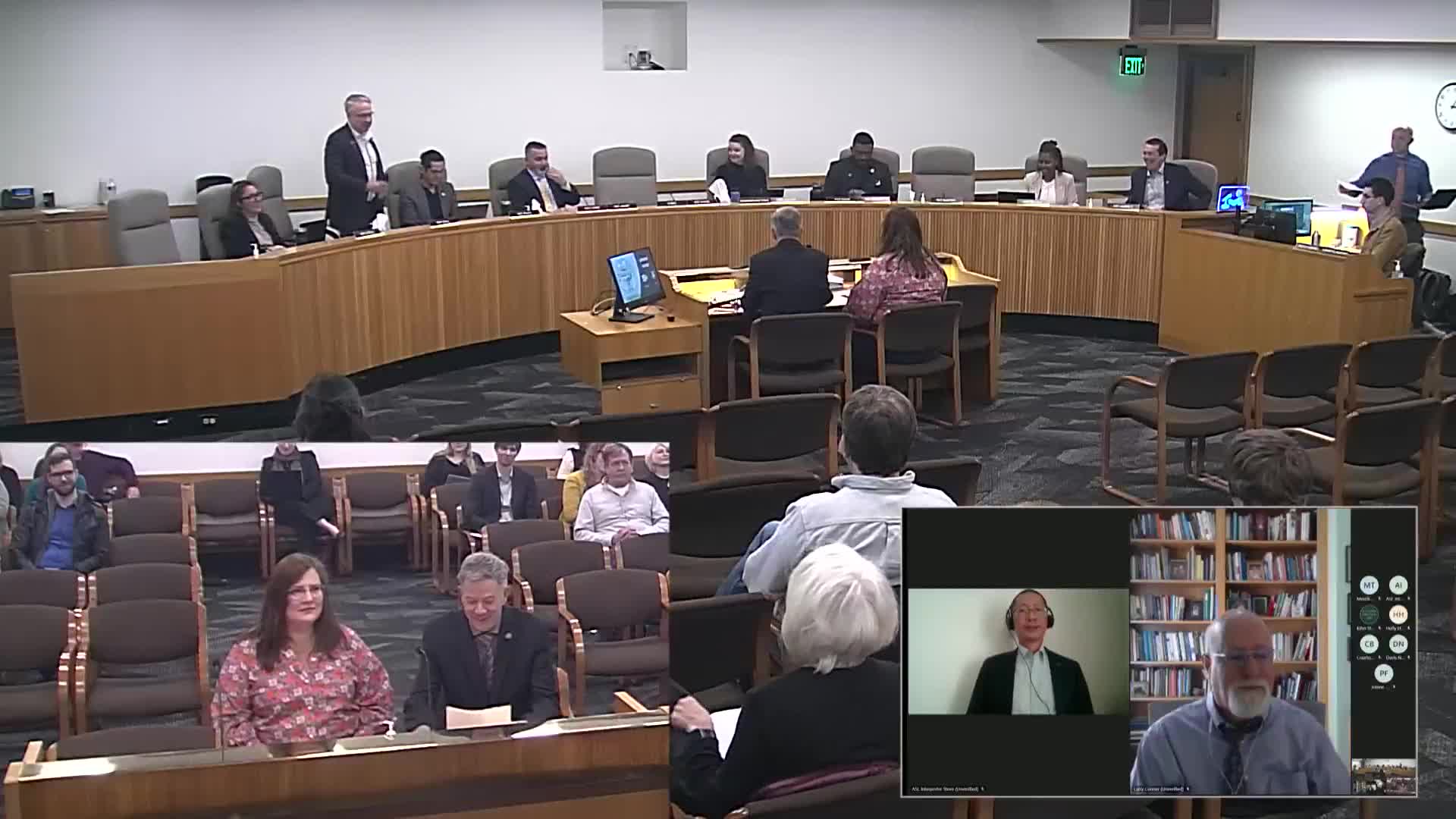
House lawmakers heard emotional testimony on House Bill 2016 on Feb. 17, a measure that would let the Oregon Board of Licensed Professional Counselors and Therapists remove certain disciplinary notices from public-facing lists after a defined period.
House lawmakers heard emotional testimony on House Bill 2016 on Feb. 17, a measure that would let the Oregon Board of Licensed Professional Counselors and Therapists remove certain disciplinary notices from public-facing lists after a defined period.
Representative Rob Noss, the bill sponsor, told the House Committee on Behavioral Health and Health Care he introduced the bill after a constituent complained that resolved disciplinary actions remain easily discoverable online and continue to damage providers’ careers years later. “Violations that occurred several years ago and have been resolved should be allowed to be removed,” Noss said.
Why it matters: supporters said long-standing online discipline listings can end careers, cause patient cancellations and permanent reputational harm even when a license was not suspended. Opponents, including NAMI Oregon, warned the bill’s current wording could be read too broadly and might limit access to searchable disciplinary databases the public and clinical employers use in vetting providers.
The bill would let the board remove records for certain less-serious infractions after three years and remove records after five years in cases involving a suspended or revoked license that was later reinstated. The bill would not permit removal of records tied to permanent denial of licensure, the sponsor said.
Testimony from licensees and advocates
Linda K. Burlingen, a licensed therapist who said she complied with a 2018 board order requiring six months of supervision and three continuing education units, described repeated professional harm from a board PDF that search engines surfaced next to her name. “When you Google my name, it says Linda Burlingen ... license revoked,” Burlingen said. She described canceled appointments and clients who called her practice to decline care after seeing the search result.
Larry Connor, legislative chair of the Oregon Mental Health Providers PAC and founder of COPACT, testified the threshold for public display of minor disciplinary records varies among health boards and said healthcare boards in Oregon remove some records after two to 10 years. He told the committee that board investigation practices can also produce inaccurate reports that then persist online.
Representatives from professional associations also supported the bill saying it would allow clinicians who have completed corrective steps to continue serving patients without the permanent stigma of an online listing. Testifiers urged the committee to balance public safety with rehabilitation and to focus this bill on less‑serious infractions, not on conduct that would create ongoing risk.
Concerns about search engines and accuracy
Witnesses described a technical problem in which a board PDF’s formatting caused search engines to misattribute a stronger sanction to the wrong licensee. One witness said that after the board re‑formatted content the snippet in search results briefly corrected, then reverted. Committee members asked whether removing a public document would stop search engines from showing cached or aggregated results; witnesses said removal helps but does not always immediately clear search results and that better formatting would reduce errors.
Committee discussion and next steps
Committee members sought clarity about what counts as a “less serious” infraction; several witnesses said the board would decide on a case-by-case basis and that suspension status is a factor in the bill’s text. The committee closed the public hearing on HB 2016 after testimony and questions; no committee action or vote on the bill occurred during the session recorded in the transcript.
Ending: The bill’s supporters asked lawmakers to allow the board to follow other health boards’ practice of time‑limiting public discipline for minor offenses, while opponents urged careful drafting so that searchable, public discipline databases remain available to patients and employers doing due diligence.