Get Full Government Meeting Transcripts, Videos, & Alerts Forever!
Get email alerts on the Primary Care Access topic
No spam. Unsubscribe anytime.
Bill would require OHA to count primary care clinicians by city and region every two years
Summary
Senate Bill 683 would direct the Oregon Health Authority to produce a biennial, location‑specific count of primary care physicians and identify service gaps in rural and medically underserved areas; Southern Oregon physicians and legislators told the committee inaccurate counts hinder recruitment and resource allocation.
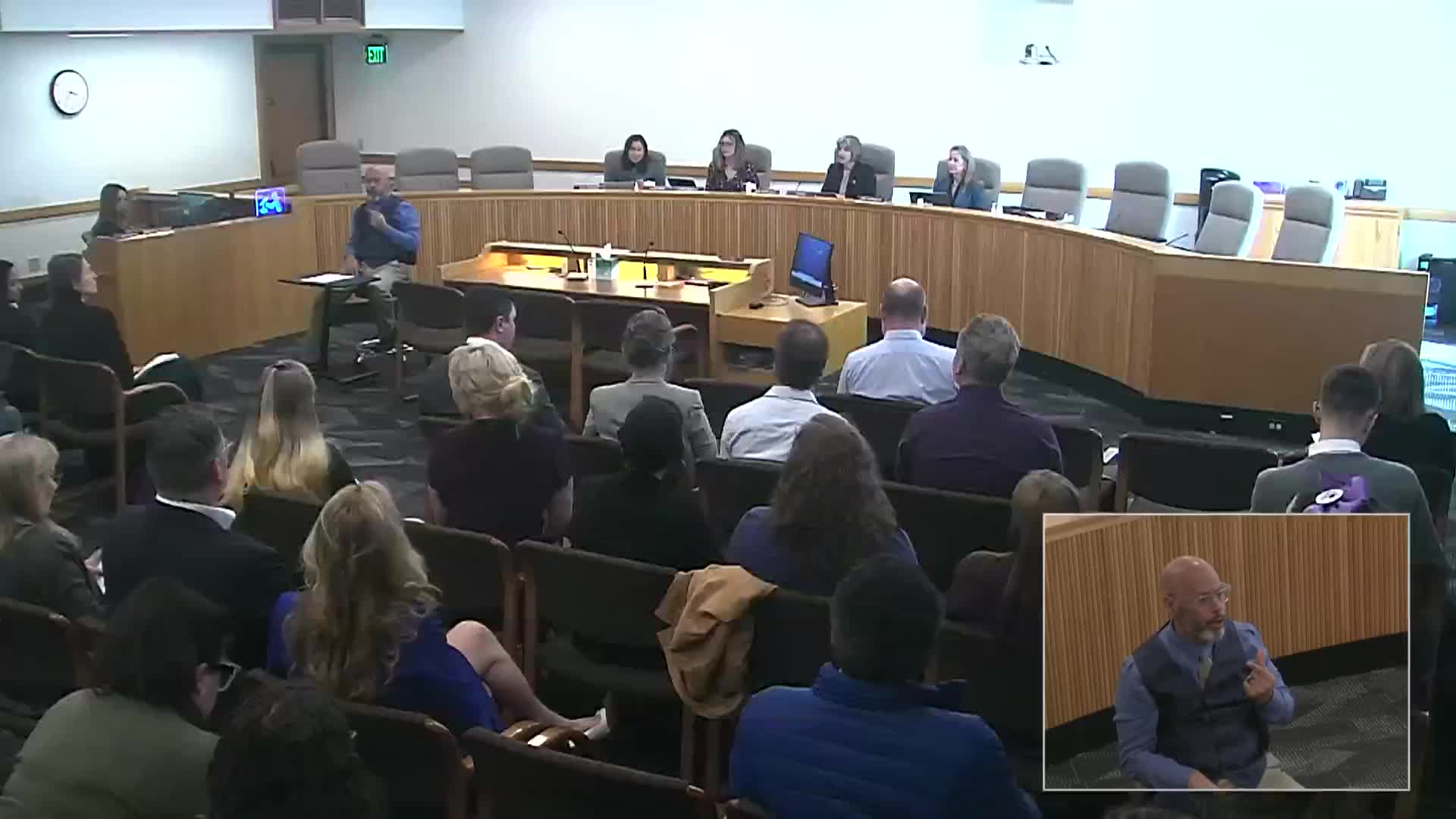
Acting Chair Lisa Reynolds opened a public hearing on Senate Bill 683, which would require the Oregon Health Authority to count primary care physicians by city and region every two years and report findings to the Legislature.
Why it matters: Proponents said current methods overcount primary care capacity because they include hospital‑based physicians and do not capture clinicians' clinical hours or role, which can misrepresent local access and undermine recruitment and loan‑repayment programs.
Physicians representing the Southern Oregon Alliance of Physicians and Practitioners told the committee that existing OHA counts can make regions appear better staffed than they are, hampering recruitment. Dr. Mona McCardell, a Southern Oregon physician, said hospitalists and other clinicians who spend time in inpatient care are counted as primary care providers even when they no longer provide community longitudinal panels.
Sen. Jeff Golden and Rep. Jeff Golden (testimony noted his district concerns) and others said better data would support deployment of resources such as loan repayment and recruitment programs. Dr. Brian Frank of the Oregon Academy of Family Physicians said a simple headcount or self‑reported clinic time may not capture actual patient‑care capacity and advocated for refining the definition to reflect longitudinal primary care practice.
Discussion at the hearing touched on how to measure clinical full‑time equivalents (FTEs) and whether to include nurse practitioners and physician assistants; proponents said those are constructive suggestions for rulemaking and implementation details.
No formal action was taken; proponents urged the committee to refer the measure for rule development and implementation planning so OHA can provide more accurate, actionable workforce data.