Get Full Government Meeting Transcripts, Videos, & Alerts Forever!
DCED presenter outlines Pennsylvania home rule charter process and local trade-offs
Summary
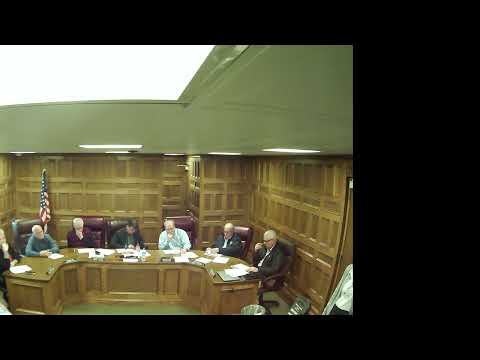
Terry, a representative of the Pennsylvania Department of Community and Economic Development (DCED), told a Bradford meeting that adopting a home rule charter would shift municipal governance from state-prescribed rules to a locally drafted charter and administrative code, and described the statutory process, timelines, petition thresholds and funding options.
Terry, a representative of the Pennsylvania Department of Community and Economic Development (DCED), told a Bradford meeting that adopting a home rule charter would shift municipal governance from state-prescribed rules to a locally drafted charter and administrative code, and described the statutory process, timelines, petition thresholds and funding options.
Home rule allows a municipality to “exercise power and perform functions that are not denied” by the U.S. Constitution, the Pennsylvania Constitution or state law, Terry said, adding that the enabling statute is found in “code 53, chapter 29.” She said the process typically begins when a governing body places a referendum on the ballot to explore home rule and, if approved, a government study commission is elected to study and possibly draft the charter.
Terry called the DCED publication on home rule “phenomenal” and said it walks communities through the process in layman’s terms. She said DCED can assist the government study commission during its initial work and that grant funding is commonly available to pay a consultant to guide drafting, codification and transition tasks.
Why it matters
Adopting home rule can change how a municipality organizes government, how it collects certain local taxes and how it codifies administrative procedures — decisions that affect local budgeting and who pays for city services. At the Bradford meeting, officials and residents discussed the potential to shift tax burdens (for example, through changes in earned income tax application) and a cited estimate that a commuter tax could raise about $3,140,000 for Bradford if it were permissible under state law.
Key points from the presentation
- Legal basis and limits: Terry repeatedly distinguished the home rule charter (the locally adopted constitution for…
Already have an account? Log in
Subscribe to keep reading
Unlock the rest of this article — and every article on Citizen Portal.
- Unlimited articles
- AI-powered breakdowns of topics, speakers, decisions, and budgets
- Instant alerts when your location has a new meeting
- Follow topics and more locations
- 1,000 AI Insights / month, plus AI Chat