Get Full Government Meeting Transcripts, Videos, & Alerts Forever!
Get email alerts on the Veterans Outreach And Homelessness topic
No spam. Unsubscribe anytime.
Michigan Veterans Affairs Agency details outreach, homelessness and suicide-prevention work and gaps in volunteer mentoring
Summary
Brian Love, executive director of the Michigan Veterans Affairs Agency, told the House Family and Veterans Committee that MVAA’s core work is connecting Michigan’s more than 516,000 veterans to federal and state benefits and described outreach, homelessness prevention and suicide-prevention programs as priorities.
Brian Love, executive director of the Michigan Veterans Affairs Agency (MVAA), told the House Family and Veterans Committee that MVAA’s mission is to connect Michigan’s more than 516,000 veterans to earned federal and state benefits, and outlined programs the agency runs and funds it administers.
Love said MVAA staff total about 61 people; the agency operates an 800-number resource center staffed by 11 technicians, seven VA‑certified veteran service officers around the state and 11 veteran engagement officers (VEOs) who work regionally. “MVAA was created in 2013 ... to help Michigan veterans and their families get connected to federal and state benefits they’ve earned,” Love said.
Key programs and figures: Love cited VA data that 43.6% of Michigan veterans are enrolled in VA health care and 24.7% receive VA disability compensation. He told the committee that 1,699 veterans in 2023 were counted as experiencing homelessness — a figure MVAA said likely undercounts the true number — and that homelessness among veterans age 65 and older rose 3% between 2022 and 2023. Love said about 90% of identified homeless veterans are male, while homelessness among women veterans with children is rising.
MVAA’s services include a veteran resource call center (+1 800), veteran service officers who assist with claims and documentation (including free DD‑214 copies), several grant programs (county veteran service fund grants, statewide service provision grants, networking grants and a homelessness prevention grant), the Michigan Veterans Trust Fund (a longstanding $50 million trust for emergency needs) and the veteran-friendly employer and school recognition programs.
On suicide prevention and peer support, Love described MVAA’s participation in a governor’s challenge program and said the agency has reorganized to add suicide-prevention work to a mental-health/homelessness division. He described efforts to integrate the veteran connector program — a network of health institutions, businesses and community members that ask whether someone in the household has served — to identify veterans early and get them connected to services.
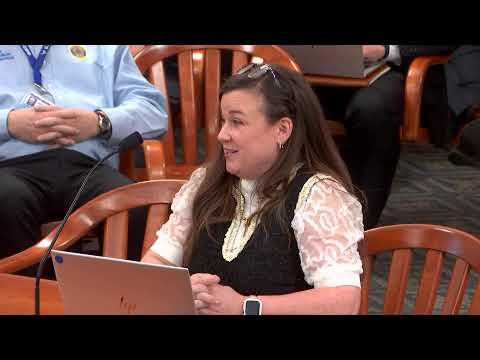
Love also discussed the buddy‑to‑buddy mentorship program, which relies on volunteers. He said the program was effective when it had paid positions funded by private partners (he cited past Major League Baseball support), but currently faces low volunteer response and has been costly to promote. “We’re really having a hard time getting individuals to volunteer their time,” a MVAA official said; Love said the agency was seeking sustainable funding.
Committee members asked about coordination with the 988/988‑for‑veterans national hotline, how community care works for veterans when VA wait times are long, and the agency’s role in expanding veteran specialty courts. Love said 988 (with a veterans routing option) and community care programs are part of the agency’s suicide-prevention and crisis-referral work and that community care can authorize care rapidly when VA appointments are delayed.
Why it matters: MVAA officials framed outreach, early identification and service connection as ways to reduce homelessness and suicide risk among veterans and to bring federal benefit dollars into local communities. Love urged veterans and family members who are not connected to benefits to “please have them call +1 800” so MVAA can assess eligibility and refer to services.
The committee followed with questions about regional outreach, partnerships, the buddy‑to‑buddy volunteer shortfall, veteran courts, and models for serving women veterans with children; Love cited Minnesota as a point of contact for some program design ideas and said MVAA is creating a registry to better track and coordinate services for homeless veterans across the state.