Get Full Government Meeting Transcripts, Videos, & Alerts Forever!
Get email alerts on the Agriculture Egle Relations topic
No spam. Unsubscribe anytime.
Farmers and consultants tell House committee EGLE relationships have eroded as rules tighten for digesters and manure management
Summary
Dairy farmers, an agricultural consultant and farm-based digester advocates told the House Oversight Committee that Michigan’s permitting approach and changing interpretations by EGLE have increased regulatory uncertainty for farms, hampered digester development, and discouraged investments.
A group of farmers and agricultural consultants told the Michigan House Committee on Oversight that interactions with the Michigan Department of Environment, Great Lakes and Energy (EGLE) have become more adversarial in recent years and are impeding adoption of anaerobic digesters and other farm-based projects.
Why it matters: Witnesses said regulatory uncertainty and stricter interpretations of existing rules are deterring on‑farm digester projects, complicating manure and food‑waste co‑digestion, and driving investment to other states. Several farmers said they fear retaliation if they speak publicly about regulatory contacts.
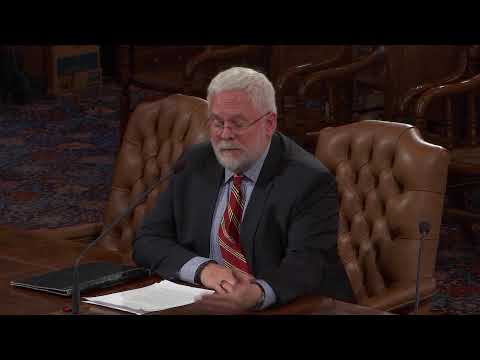
What witnesses said: James DeYoung, a certified technical service provider who develops nutrient-management plans and previously worked for the Fremont digester, said the department has become “hostile to farms.” He described more frequent surprise inspections, a requirement that “everything must be in writing,” and a growing regulatory burden when EGLE alleges groundwater concerns. DeYoung said a lack of clear, durable regulations has led to ad hoc decisions that discourage investment in digesters.
Dairy farmers described similar themes. Claire Aldrinke, who manages a dairy operation and testified alongside other farmers, said producers want to comply but are frustrated that “the goal post keeps moving.” Paul Windemoller, a dairy operator who has visited farms and policy settings overseas, told the committee that banks in some European countries have stopped lending to farmers because regulations change unpredictably; he warned that inconsistent rule interpretation in Michigan can have the same chilling effect on investment and generational farm succession.
On technical classification and compost/fertilizer issues, witnesses said the state’s treatment of digestate is pivotal. DeYoung explained that under current Michigan practice, adding certain percentages of food waste to digesters can change the regulatory classification of the output from manure or a beneficial reuse product into something regulated like sewage sludge or an industrial pollutant, with more stringent permitting requirements.
Committee exchanges: Representatives asked for specifics. Representative Merriman asked whether inspection practices and staff conduct—such as the episode Masarello related where a site manager was put in front of a resident—had been reported; witnesses said they would provide records but described longstanding distrust. Representatives also asked about differences between odor complaints and formal pollution findings. Witnesses drew a distinction: they said odor complaints are not the same as measured contamination, and several witnesses said investment in odor-control technology at digesters reduced complaints over time.
No formal action: The hearing gathered testimony and questions but the committee made no formal findings during the session. EGLE was invited to a later hearing but did not appear at this meeting.
What remains unclear: Witnesses described testing and permit changes, but in many cases either the test results or the department’s written rationale were not part of the hearing record. That gap leaves technical disputes—especially around nutrient and contaminant thresholds—unresolved in the committee record.
Speakers quoted in this story are identified in the committee transcript and reproduced in the speaker list below.