Get Full Government Meeting Transcripts, Videos, & Alerts Forever!
Get email alerts on the Contract Vs Tort Embezzlement topic
No spam. Unsubscribe anytime.
Appeals court weighs contract-versus-tort framing in embezzlement claim by condominium investor
Summary
The panel heard arguments about whether claims that a manager diverted LLC funds are contract breaches under an operating agreement or torts for conversion, and whether the tort statute of limitations bars part of plaintiff's recovery.
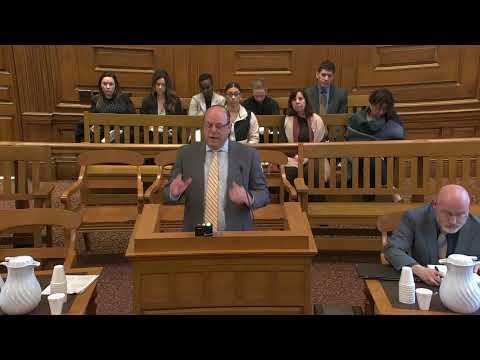
The Appeals Court heard argument on March 18, 2025, in 24P492, Cranberry Commons Condominium LLC v. Barbagallo and others, a dispute about whether alleged embezzlement by a manager constitutes a breach of the operating agreement, an implied covenant violation, or an independent tort for conversion, and the resulting statute-of-limitations consequences.
Plaintiff counsel Richard Joyce told the panel that the facts are undisputed: the operating agreement named Peter Barbagallo as manager, and "it’s undisputed that he took the money. 100% everybody with the facts are agreed. That money was taken from the company and put in his personal pocket for his benefit." Joyce asserted those acts violated express provisions of the operating agreement (Section 3.03 — manager duties) and the implied covenant of good faith and fair dealing; he also noted a default was entered against the defendant and damages were stipulated.
Defense counsel Mark Kornitsky argued the trial court correctly treated the claims as primarily tort-based and applied the three-year statute of limitations for torts. Kornitsky cited controlling authority that where the "gist of the action" is conversion or other tortious conduct, the tort limitations period applies even if contract language is invoked. He told the panel "It's the tort case. He stole."
Why it matters: the appeal turns on whether the manager's alleged misconduct is remediable under contract law (which could carry a different statute of limitations and contractual remedies) or is a tort where conversion and related claims govern limitations and remedies. The panel examined the operating agreement's express duties (including a manager's duty to manage the LLC's business and maintain property), whether the implied covenant can supply terms beyond the written agreement, and whether the plaintiffs' claims are time-barred as torts.
The record includes an operating agreement provision giving the manager power to "employ, retain, or appoint" persons and to manage business affairs; plaintiff counsel emphasized that failing to pay contractors and diverting funds violated that provision and the covenant of good faith. Defense counsel pointed to precedent (including Woodcock v. American Investment Co.) and argued that the same operative facts underlie the tort and contract claims so the tort limitations period controls.
The panel also heard argument about procedural posture: counsel for plaintiffs said a default remained in place and damages had been stipulated to, while defense counsel urged that the judge correctly granted judgment on statute-of-limitations grounds. The case was submitted at the close of argument and will be decided by opinion that clarifies whether the plaintiffs may pursue contract-based remedies or are limited by tort law.