Get Full Government Meeting Transcripts, Videos, & Alerts Forever!
Get email alerts on the Public Contracts Responsible Bidder References topic
No spam. Unsubscribe anytime.
Appeals court hears dispute over reference letters and alleged interference in public-construction bidding
Summary
An appellate panel heard competing accounts over whether architect Johnson Roberts gave improper, pretextual references that led municipalities to disqualify BC Construction from public projects; plaintiff says statements show ill will and caused economic harm, defendant says the references were relevant to owners evaluating responsible bidders.
The Appeals Court heard argument on March 18, 2025, in 24P627, BC Construction Company v. Johnson Roberts Associates, a dispute arising from architect reference letters used by municipalities in evaluating BC Construction’s bids for public projects.
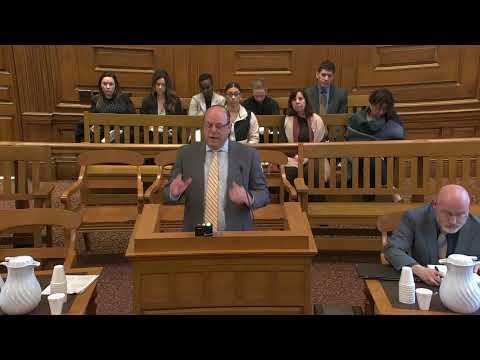
Plaintiff BC Construction, through counsel Kevin Polanski, argued that written and oral criticisms by Johnson Roberts amounted to improper interference and defamatory statements that were motivated by ill will. Polanski told the panel the architect’s emails and subsequent letters characterized BC Construction as "one of the worst projects" and asserted that "many of these projects require litigation to complete," language his client says was materially false and caused owners to disqualify BC from public work.
Defense counsel Steven Orlando replied that Johnson Roberts provided relevant information for a municipality choosing a responsible bidder under Chapter 149 public procurement rules and that their references were based on inquiries of project participants. Orlando told the court the architect's role is to advise owners and "to make sure that taxpayer dollars are being spent wisely," and maintained the statements were either opinion or supported by reference checks.
Why it matters: the appeal raises tension between (1) protections for candid professional references given to owners of public projects and (2) the risk that those references may be used to exclude a bidder for improper reasons. The panel examined record evidence cited by each side: emails, deposition testimony, the December 2019 JRA recommendation to a town, a subsequent Cambridge review, and the question whether unfavorable material was withheld or fabricated.
Counsel debated the scope and meaning of particular phrases in the reference letters and whether the architect withheld favorable references (for example, a Norfolk project) or improperly emphasized litigation history. Polanski emphasized testimony he said showed a town’s own reference checks “pretty much confirmed” negative views Johnson Roberts reported. Orlando countered that multiple references independently told a similar story of disputes, aggressive claims, or claims that required dispute resolution, and that some municipalities later awarded BC projects because more recent reviews were favorable.
The panel questioned both sides about the use of expert testimony to define industry norms for conducting reference checks, the evidentiary sufficiency of deposition evidence, and whether the plaintiff had proved ill will or deceitful means rather than ordinary, relevant professional critique. The parties also identified record passages they said supported their competing narratives.
No decision was announced from the bench; Justice Greg Massing took the case as submitted. The court’s opinion will decide whether the record permits claims for intentional interference or defamation grounded on these professional references.