Get Full Government Meeting Transcripts, Videos, & Alerts Forever!
Get email alerts on the Court Funding And Fines topic
No spam. Unsubscribe anytime.
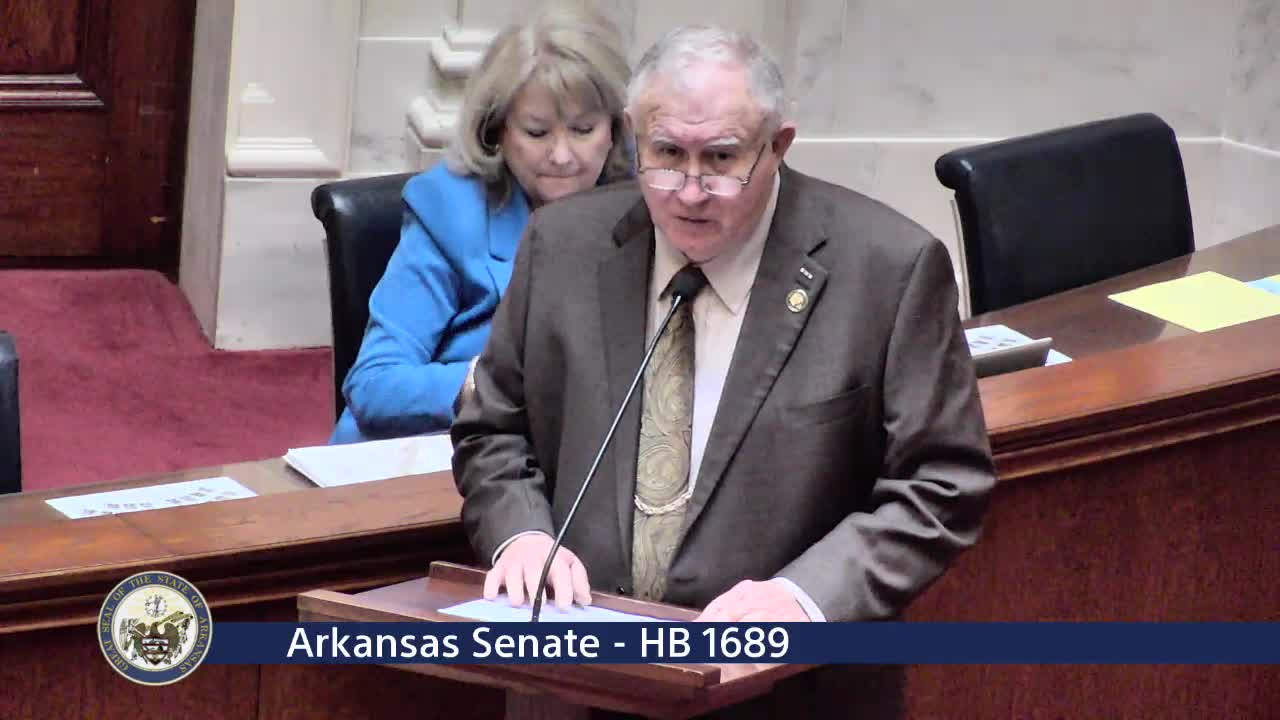
Senate approves overhaul of district court funding and new installment fee structure
Summary
The Senate passed a compromise bill that shifts payment of state district court judge salaries away from cities and counties, caps local retention of certain funds at 50%, and restructures installment fees (one‑time fee cited as $90) to reduce recurring monthly charges for defendants; vote recorded 23–1 with several present/not voting.
The Senate approved a wide‑ranging judiciary bill intended to change how district court costs and salaries are funded and to simplify installment payment fees for defendants.
Sponsor Senator Clark said the bill eliminates the obligation of cities and counties to pay state district court judges’ salaries and reorganizes how court‑collected funds are split. The measure also sets a new approach for installment fees: rather than ongoing monthly surcharges that can amount to high effective interest rates, the bill establishes a one‑time installment fee (discussed on the floor as $90) when a defendant elects to pay costs over time; once paid, the installment fee is not repeatedly charged for that offense.
Senator Dismang and others questioned fiscal impacts and legislative findings inserted into the bill. Senator Bryant pressed through a concrete example and asked whether the measure would increase per‑case charges; Senator Clark said the measure was negotiated and intended as a compromise to reduce the effective usurious costs that often fall on low‑income defendants while addressing how courts are funded.
Clark told the floor the change reduces local obligations for districts that previously paid as much as 90 percent toward certain court costs; the bill limits retention to “an amount equal to but no more than 50%” for county administration of justice funds. Clark said the change reflected extensive committee work and a negotiated settlement among stakeholders.
After debate the roll call was held; the secretary announced the tally as 23 ayes, 1 nay, 1 not voting, 9 present and 1 on leave and declared House Bill 16‑61 passed. The bill returns to the House.
Ending: Sponsors described the measure as a negotiated compromise that reduces recurring installment charges on defendants and shifts some court salary obligations to the state while capping certain local fund retentions; fiscal details and implementation will follow as agencies and counties adjust to the new distribution rules.