Get Full Government Meeting Transcripts, Videos, & Alerts Forever!
Get email alerts on the District Finance Enrollment topic
No spam. Unsubscribe anytime.
District finance chief projects small year‑end fund balance gain; flags enrollment shortfall and apportionment timing
Summary
Finance staff reported a projected $412,000 increase to fund balance if current trends hold, while warning that the district is 76 students under budgeted enrollment and has received about 39.5% of apportionment revenue through January compared with 52.6% of the year completed.
Richland School District finance staff reported a modest projected increase to the district’s fund balance for the fiscal year but warned of budget pressures tied to enrollment shortfalls and the timing of state apportionment payments.
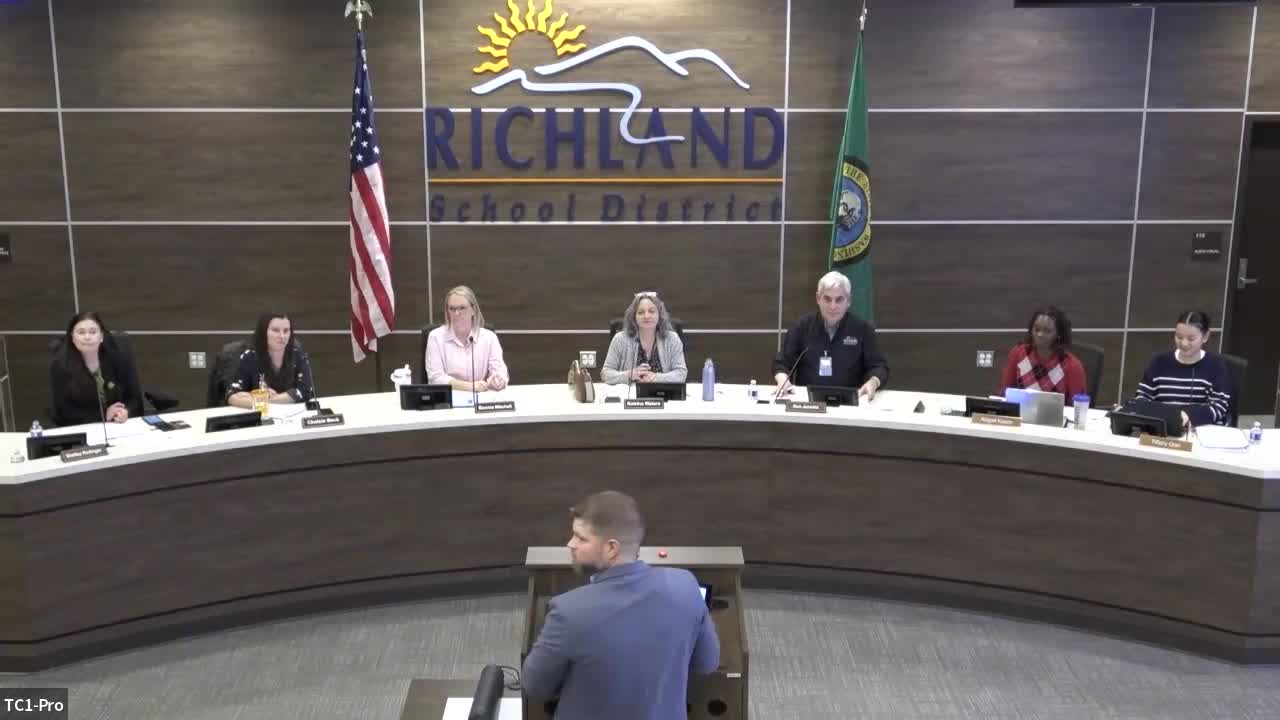
Travis, the district staff member who presented the fiscal update, said the current annual-average enrollment stands at about 13,482 students, roughly 76 fewer students than the district assumed in the budget. He projected a $412,000 increase to the district’s fund balance by the end of the year if current trends hold, while stressing that projections could change as apportionment payments arrive later in the spring and summer.
Why it matters: Enrollment drives state funding, and lower-than-budgeted counts can reduce revenue. District staff said the timing of state apportionment payments contributes to monthly cash-flow variability, with about 39.5% of expected apportionment dollars received through January while the district was roughly 52.6% through the school year.
Key numbers and trends cited in the meeting: - Current annual-average enrollment reported: 13,482 students. - District is approximately 76 students below the budgeted enrollment figure. - The district receives about $13,000,000 in federal funding that supports meal programs, Title funding and special education; OSPI has indicated limited capacity to backfill lost federal dollars if they were reduced. - Projected year‑end fund balance change (best‑case trend in current projections): +$412,000. - Apportionment receipts through January: ~39.5% of expected annual apportionment; district is ~52.6% through school year operations.
Travis said the district has drawn conservative enrollment projections for budgeting and noted past patterns of small midyear shifts. He said transportation and special education remain pressure points in the budget and that the district may need a budget extension if expenditures exceed appropriations; a budget extension would increase the board-approved spending limits for the year, not create new revenue.
Board members asked for clearer enrollment forecasts, and staff said they will present a timeline and a proposed budget process for next year at an upcoming meeting. The district also reported it will continue to watch potential impacts from state and federal policy changes and will seek clarification from OSPI and the governor’s office about any potential funding changes.
Ending: Staff said they plan further budget updates at the second meeting of each month and that a more detailed budget timeline will be presented to the board at the March 11 meeting for discussion before formal budget actions later in the spring.