Get Full Government Meeting Transcripts, Videos, & Alerts Forever!
Get email alerts on the Inclusionary Education topic
No spam. Unsubscribe anytime.
ESD inclusionary practices coordinator urges gradual, evidence‑based shift to universal design for learning
Summary
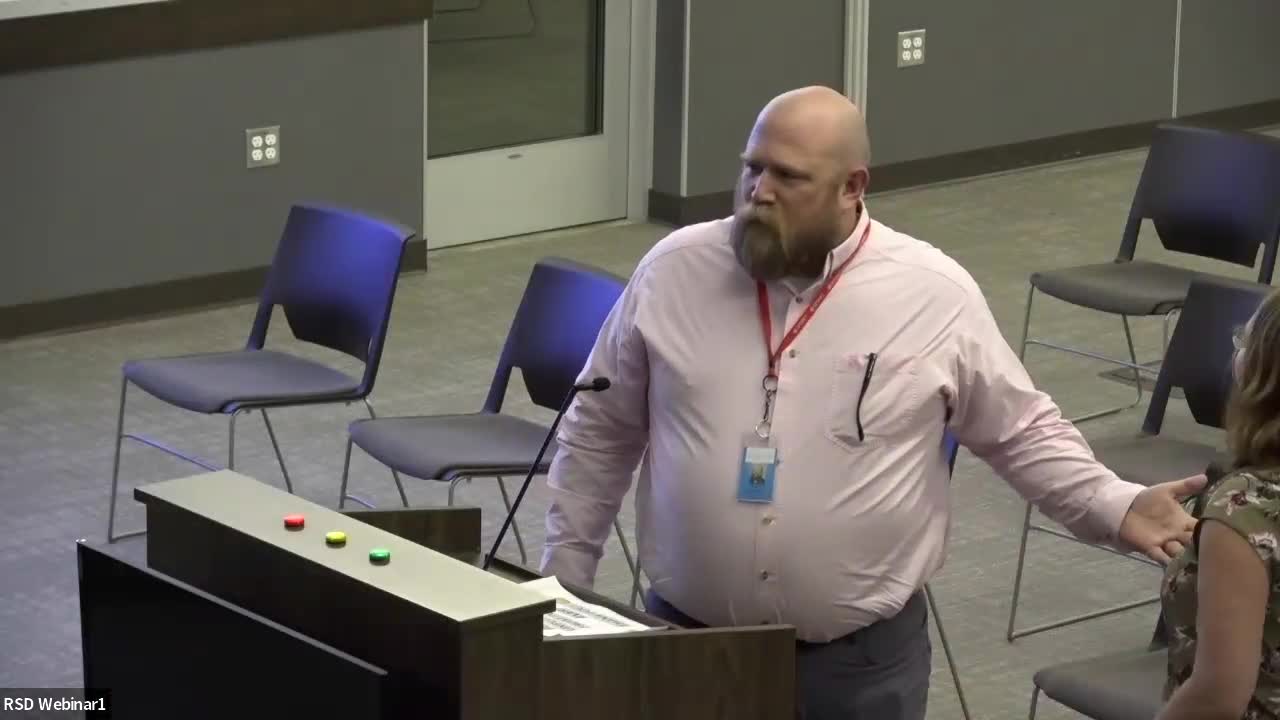
Kelly Corio, the Educational Service District’s inclusionary practices coordinator, told the board Washington’s shift from a medical special‑education model toward inclusive practices requires multi‑year implementation, targeted early adopters and investments in teacher collaboration and training.
Kelly Corio, inclusionary practices coordinator at the Educational Service District, presented an overview of inclusive education principles and a multi‑year approach for shifting instruction to Universal Design for Learning (UDL) and co‑teaching.
Corio described the failure of a pull‑out medical model in which students leave the classroom for specialized instruction and said research shows students learn better when supports occur in context. She described UDL as a framework that builds access into curricula so students with a range of needs can learn together; Corio said change typically requires four to seven years and that districts should start with innovators and early adopters to show the approach at scale.
Corio and board members discussed implementation details, including co‑teaching, protected collaboration time for general and special educators, and family engagement. Board members asked whether the district should hire only special‑education‑certified staff; Corio and staff replied that the goal is capacity building for all teachers and that certificated teachers should deliver specially designed instruction when legally required.
Several board members said past district efforts (including a 2018 evaluation) had stalled and asked staff to identify current barriers, promising buildings and early adopters where focused effort could accelerate change. Kelly provided links to national resources and emphasized the need for parent education and planned rollouts, not abrupt districtwide mandates.
The board signaled support for the direction and asked staff for follow‑up reporting and recommendations on where to pilot additional inclusionary work and professional development.