Get Full Government Meeting Transcripts, Videos, & Alerts Forever!
Get email alerts on the Public Transit topic
No spam. Unsubscribe anytime.
Wilsonville transit agency releases 2024 rider survey showing frequent use, growing vehicle-free households
Summary
SMART staff presented results of its biennial rider survey to the Wilsonville City Council, reporting most riders use the system several times a week, a rise in households without a working vehicle, and continued popularity of dial‑a‑ride service; councilors urged more targeted outreach to students and renters.
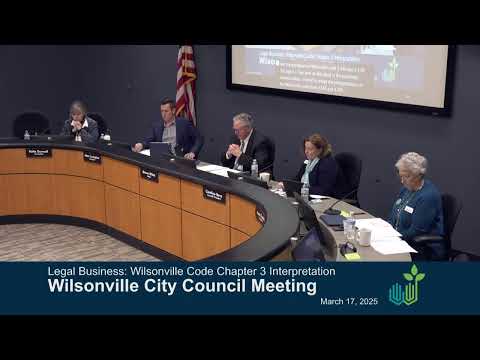
SMART transit officials presented results of the agency’s most recent rider and demographic survey to the Wilsonville City Council on March 17, reporting that most respondents ride several times a week and that a larger share of households reported no working vehicle.
The presentation was led by Dwight Brashear, SMART transit director, and Anne McCracken, transit management analyst. Brashear said SMART rotates survey types each year and that the 2024 effort focused on rider demographics and trip characteristics. McCracken said the survey was conducted over several days in September and was offered online to accommodate short trips.
Survey findings flagged several recurring patterns: roughly half of respondents were ages 30–65; about half identified as Caucasian with the next-largest group identifying as Hispanic/Latino; 35% reported no working vehicle in their household; and many riders said they use SMART multiple times per week. McCracken noted that the share of respondents who said they would “drive alone” if SMART were not available fell from about 29% in 2018 to 12% in the most recent survey.
Councilors and members of the public pressed staff on sampling and coverage. One councilor pushed staff to treat the falling “drive alone” response with caution, noting that an increase in households without vehicles means driving alone was not an available option for some riders. McCracken said the team can refine future surveys to separate riders who choose not to own a car from those who cannot afford one.
Council members asked for clearer reporting on student ridership. McCracken said Route 4 has heavy student use and that SMART tracks ridership categories daily, with a typical daily youth passenger count around 300–350; she added that SMART deploys extra buses on heavily used student trips so riders do not stand.
On last‑mile connections, presenters said SMART aims for stop distances within a half‑mile and would like to move toward quarter‑mile service where feasible; staff pointed to a dial‑a‑ride service that averages about 1,000 trips per month (approximately 12,000 annually) and remains highly rated by users.
Councilors recommended several changes before the next survey cycle: add questions about homeownership versus renting and multifamily housing, include a clearer breakdown of mode alternatives (walk, bike, carpool, rideshare), and pursue targeted outreach to students, including school‑based QR codes or incentives. McCracken said the upcoming satisfaction survey will include some of those items.
The presentation closed with councilors praising SMART’s role in reducing vehicle ownership costs and supporting students and seniors, and asking staff to add a one‑slide summary of student ridership to future reports.