Get Full Government Meeting Transcripts, Videos, & Alerts Forever!
Get email alerts on the Budget Finance topic
No spam. Unsubscribe anytime.
Court approves standing order, fee settlements and paid bills; department heads give routine reports
Summary
Montgomery County Fiscal Court on March 18 approved several routine finance actions — a standing order for preapproved recurring expenses for FY2025–26, the county clerk’s 2024 fee settlement, the sheriff’s 2022 mineral settlement (subject to audit), and paid bills — and received departmental reports.
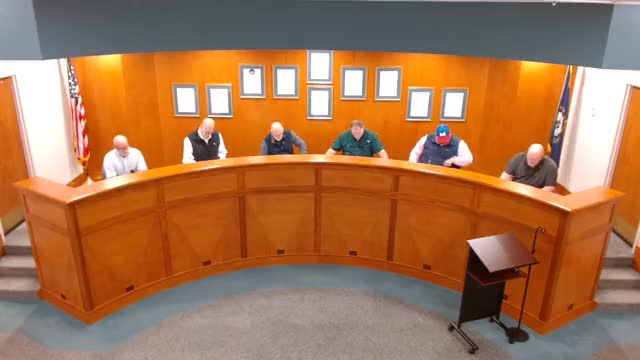
Montgomery County Fiscal Court on March 18 carried several routine financial actions and heard reports from department heads.
Financial actions approved by the court included: - A standing order authorizing preapproved recurring expenses for fiscal year 2025–26. The court moved and approved the standing order by voice vote. - Approval of the County Clerk’s 2024 annual fee settlement; the clerk’s settlement was approved on motion and voice vote. - Approval of the Sheriff’s 2022 mineral settlement, noted as approved “subject to an audit.” - Approval of paid bills as presented by the county treasurer/clerks.
Department heads reported operational figures. The jail chief reported 213 total inmates on the day of the meeting, with 55 state inmates and other custody counts discussed; an annual inspection was scheduled in the coming weeks. The county’s finance report included revenue and expenditure comparisons to the prior year; the transcript records the speaker comparing February 2024 and February 2025 revenue and year-to-date totals, although the numeric transcript text is garbled in places. The transcript records the finance speaker stating the county’s year-to-date revenue increased versus the prior year and expenditures also rose year to date.
The court also scheduled a budget workshop for April 1 at 10:00 a.m. to discuss the full county budget.
Why it matters: the actions formalize recurring spending authority, record settlements required by statute or county process, and maintain routine fiscal oversight. Department head reports inform the court’s upcoming budget discussion.