
Senate hears bill to create advisory group to evaluate industry-funded tourism assessment
Get AI-powered insights, summaries, and transcripts
Sign Up Free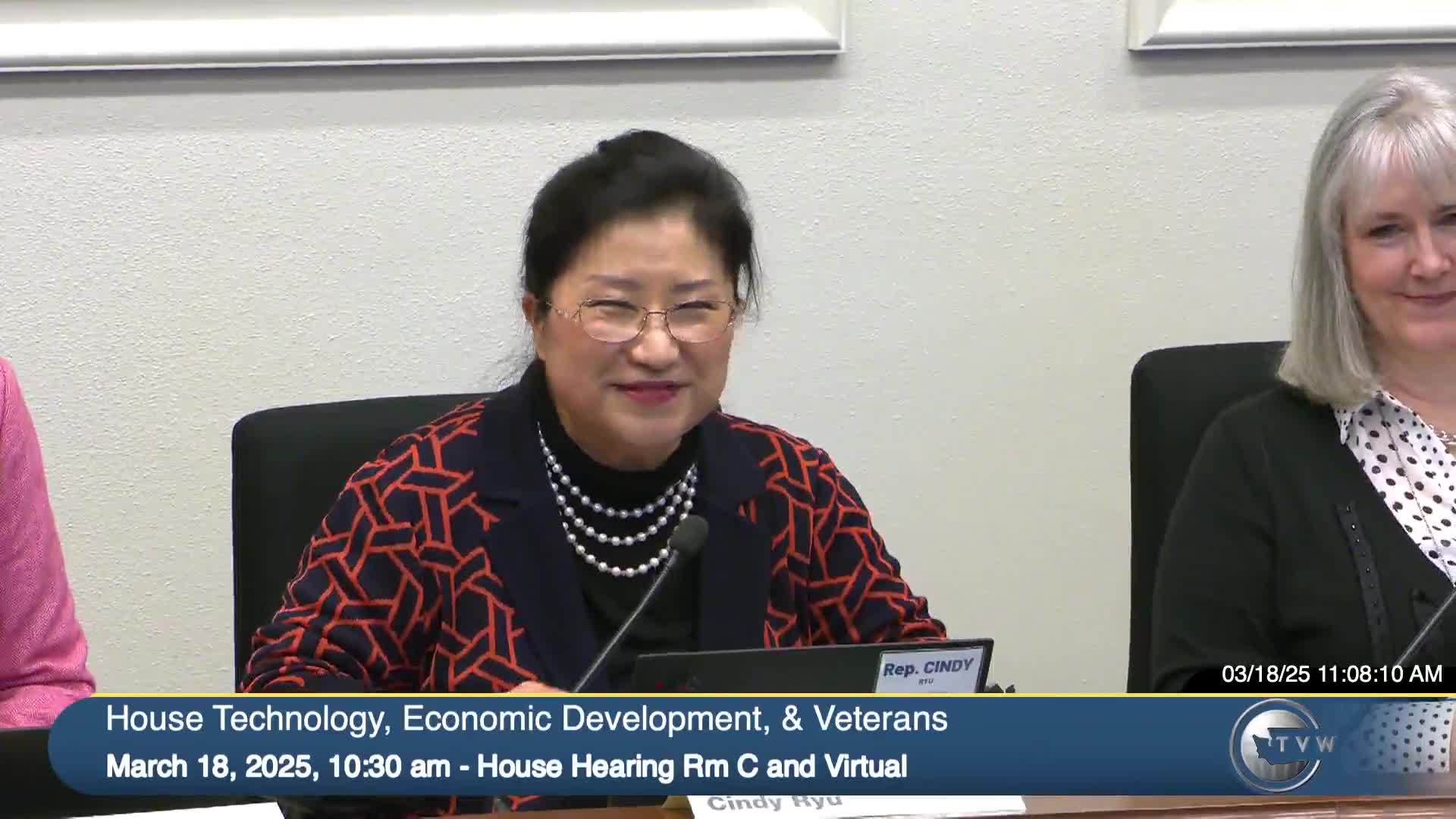
Summary
Senate Bill 5492 would require an advisory group to study an industry-funded assessment to support statewide tourism promotion; tourism industry witnesses argued increased marketing funding would generate significant visitor spending and revenues without using general funds.
Senate staff told the Technology, Economic Development and Veterans Committee on March 18 that substitute Senate Bill 5492 would create an advisory group to evaluate the viability of an industry self-supported assessment to fund statewide tourism promotion and require recommendations by Nov. 1, 2025.
Martha Whaling, staff to the committee, said the bill requires the Washington Tourism Marketing Authority (WTMA) to appoint at least eight members representing tourism industry sectors to an advisory group that would evaluate whether a self-supported industry assessment could fund statewide tourism promotion and recommend procedures to establish such an assessment. Whaling also summarized that funding for the state tourism marketing account currently comes from a 0.2% tax on retail sales of lodging, car rentals and restaurants, with a statutory limit of $3 million per biennium.
Sen. Marcus Richeli, sponsor, told the committee the bill is intended to build a sustainable public–private partnership that could boost local economies and help communities manage visitors. Industry witnesses said Washington ranks low among states in marketing investment and cited projected economic returns.
Annie McGrath, representing State of Washington Tourism, said the proposed model would increase funding for tourism promotion without relying on additional state general fund dollars and projected "billions in additional visitor expenditures" over the coming decade. David Blanford, a tourism executive, referenced a Tourism Economics projection of $14,000,000,000 in additional visitor expenditures and related tax revenues over the next decade under a sustainable assessment model; he and other witnesses stressed that a private-sector assessment model would require the industry to develop implementation details and rules and report back to the Legislature.
Witnesses described study models based on other states' long-running assessments; for example, testimony cited California's multi-decade experience with industry assessments and high membership support for that model. The substitute Senate bill adds a compliance requirement with the state "Nothing About Us Without Us" appointment law and additional reporting to the Office of Equity.
Committee members asked about the fiscal implications and whether WTMA has capacity to staff the advisory group; staff said the fiscal note covers Commerce and WTMA staffing costs and comes from WTMA's existing small budget. Sponsors and testifiers highlighted the opportunity to prepare for large upcoming events (the FIFA 2026 World Cup was discussed in committee testimony) and to better target visitors to communities statewide. The hearing was closed with no committee vote recorded.