Get Full Government Meeting Transcripts, Videos, & Alerts Forever!
Get email alerts on the Public Safety Equipment Fleet topic
No spam. Unsubscribe anytime.
Sheriff’s office shows new electronic‑detection K9 and asks commissioners to approve order window for seven patrol vehicles
Summary
Detective Meyer introduced canine Hattie — a food‑driven electronic‑detection Labrador trained to find devices from SIM cards to hidden cameras — and sheriff’s staff requested authority to order seven patrol vehicles in the June Ford ordering window, a $474,000 ask to preserve pool/issue vehicle capacity.
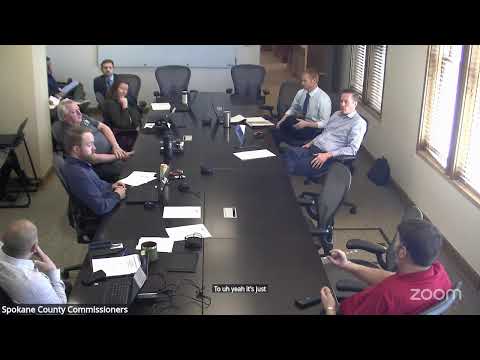
Detective Meyer and Sheriff’s Office staff introduced “canine Hattie,” a 2‑year‑old yellow Labrador trained to detect the scent associated with many electronic devices, and demonstrated the dog’s certification success to the Board of County Commissioners on March 18.
Why it matters: Staff described Hattie as trained to locate devices that “store or transmit electronic data,” from micro SD cards and SIM cards to cellphones and hidden cameras — evidence types important to child exploitation and other investigations. Detective Meyer said the dog “passed through certification with 0 pulse hits and locating all 3 devices in 4 rooms within 5 minutes.” The county said the K9 training was funded in large part through a donated program.
Sheriff’s staff then outlined a related operational request: to use the June 2025 Ford ordering window to buy seven patrol vehicles to maintain the department’s pool‑vehicle capacity as dozens of deputies emerge from training. Staff said the county’s patrol fleet currently includes roughly 98 vehicles in service, 14 spare cars and eight pool cars; issuing cars to 30 trainees due to finish this year would deplete spares and leave too few pool cars to handle maintenance or crashes. “The current cost of each vehicle is $67,729,” staff said; “the 7 vehicles would be a budget of $474,000.”
Staff explained the timing constraint: Ford’s ordering window is typically in June, and missing it can push orders a year or more. They recommended buying seven vehicles now to restore about 10 pool cars and avoid costly purchases on the secondary market if future ordering windows close.
Staff also discussed options to reduce vehicle demand — for example, returning to shared or non‑take‑home models — but noted labor‑contract implications.
Ending: Commissioners asked for the sheriff’s vehicle replacement plan to be recirculated and requested follow‑up budget analysis to locate possible funding (overtime savings and first‑quarter budget snapshots were suggested). Staff said they would return materials and coordinate with finance ahead of the June ordering window.