Get Full Government Meeting Transcripts, Videos, & Alerts Forever!
Get email alerts on the Public Safety topic
No spam. Unsubscribe anytime.
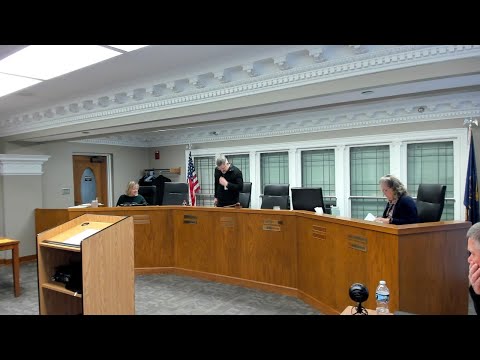
DuBois County commissioners approve new sheriff vehicles and consent to body‑worn camera contract; staffing requests not approved
Summary
The county commissioners approved two pursuit vehicles and consented to a contract for body‑worn cameras for the sheriff’s office but declined to approve two additional deputy positions and a proposed civilian registry officer.
DuBois County commissioners on March 17 voted to allow the sheriff’s office to purchase two pursuit vehicles and gave the sheriff’s office consent to sign a body‑worn camera services contract, but they stopped short of approving additional full‑time deputy positions requested by department leaders.
The county agreed to purchase a 2025 Dodge Durango Pursuit Edition from Washington Chrysler Center and a 2025 Chevrolet Tahoe 4x4 pursuit rated unit from Kelly Chevy LLC, and to trade in several older vehicles, after DuBois County Chief Deputy Jesus Monarchs outlined recurring maintenance problems with the department’s existing Durangos and said SUVs would better serve rural deputies. “With all the mechanical failures we’ve had on the Durangos … I figured we would venture out a little bit and maybe look into Tahoes,” Monarchs told the board, citing a state quote of $44,677 for a Dodge Durango and $51,900 for a pursuit‑rated Tahoe.
Commissioners moved and seconded a purchase motion that specified the two new units and trade‑in of identified 2019–2020 vehicles; the motion carried by voice vote. The board also approved a separate motion consenting to an amended client service agreement with a vendor identified in the meeting as “Utility” to provide body‑worn cameras for the sheriff’s department. The minutes show commissioners voted “Aye” and the motion carried; the board authorized the sheriff or his designee to execute the agreement once council funding was in place.
On staffing, Monarchs asked the commission to approve two deputy positions that had previously been tied to a federal COPS grant and to create a civilian position to manage the sex‑offender registry and civil paper service. Commissioners raised concerns about adding recurring personnel costs without secured grant funding. One commissioner said the board would not approve two additional deputies at this time; a separate motion to create and hire a civilian registry officer was made but died for lack of a second. As the meeting recorded it, the board did not approve the additional deputies or the proposed civilian registry hire.
Monarchs also outlined other equipment requests, including body‑worn camera procurement and replacement of aging fleet vehicles; commissioners approved a separate motion to trade in specified older vehicles and authorized purchasing the two new units from the state quotes presented. The board and the sheriff’s office also discussed vehicle‑replacement cadence and the department’s plan to trade in roughly four vehicles each year depending on mileage and maintenance history.
The decisions leave several items for the county council to finalize: the body‑worn camera contract delegation was approved contingent on council funding, and the purchase orders for the vehicles will be processed through the sheriff’s equipment fund and appropriate council approvals as required.
Ending
The board’s votes on equipment aim to stabilize day‑to‑day patrol operations by replacing repeatedly failing vehicles and to move forward on a long‑discussed body‑worn camera program. Staffing requests that would add ongoing personnel expense were not approved; commissioners said they wanted the department to continue to pursue grant funding and to return with options that do not increase the county’s long‑term payroll obligations without secured revenue.