Get Full Government Meeting Transcripts, Videos, & Alerts Forever!
Get email alerts on the Punitive Damages Procedure topic
No spam. Unsubscribe anytime.
Sponsor seeks evidentiary step for punitive-damages claims; opponents say it would cause delay and hurt contamination victims
Summary
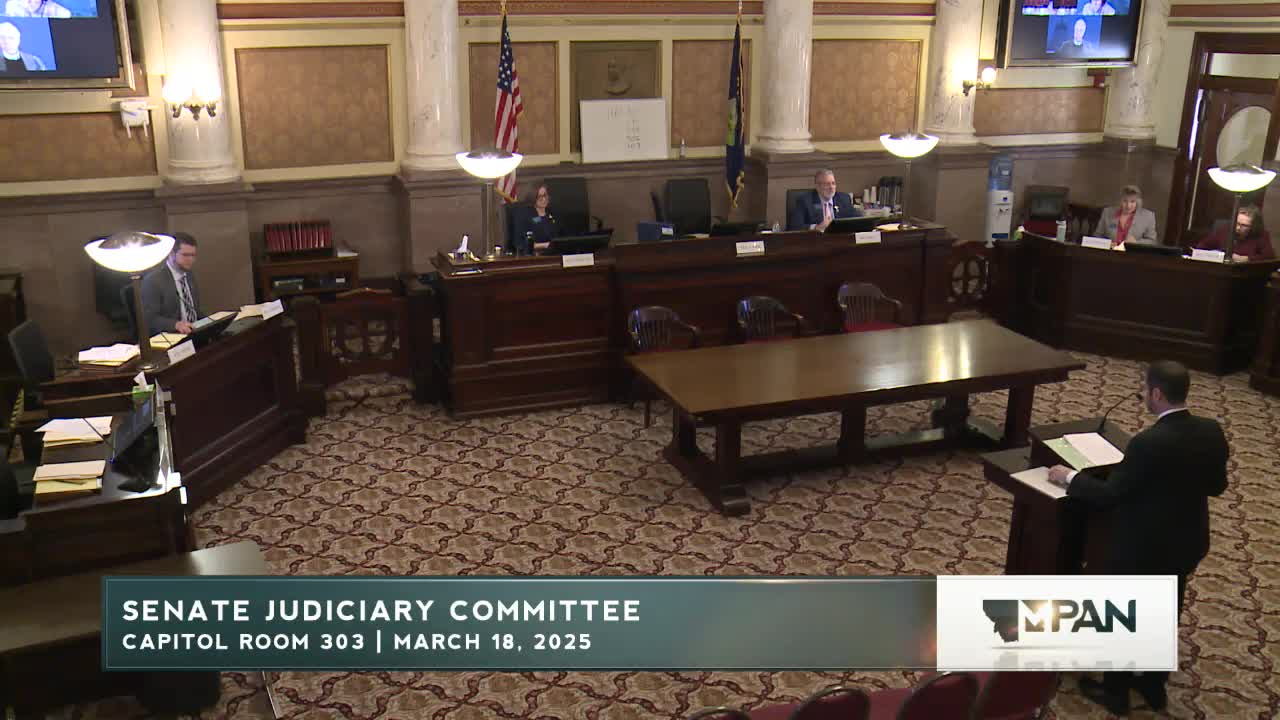
Representative Anthony Nicastro introduced House Bill 302, which would create an evidentiary‑hearing procedure for motions to add punitive‑damages claims so courts can test supporting evidence before allowing the claim.
Representative Anthony Nicastro (sponsor) told the committee House Bill 302 addresses perceived overuse of punitive‑damages claims by allowing courts to hold an evidentiary hearing when a party moves to amend a complaint to add punitive damages. Nicastro said the change would let judges assess whether testimony and evidence actually support punitive claims and would curb plaintiffs’ use of punitive allegations to extract larger settlements.
Proponents: Charles Robinson of the Montana Chamber of Commerce and Dan Stusek of the Montana Defense Trial Lawyers described HB 302 as an efficiency measure that prevents frivolous punitive claims from driving up litigation costs. Robinson said the bill preserves underlying compensatory claims while limiting threats of punitive damages used for leverage.
Opponents and community testimony: Opponents argued HB 302 would require additional contested hearings early in cases, effectively adding “mini‑trials” and increasing litigation expense and delay. Attorney Al Smith and other defense‑bar or plaintiff‑side attorneys said the 2023 amendments already set a high bar for punitive damages and that the evidentiary hearing proposal would create procedural burdens. Several witnesses from Libby, including Curtis Haferman and Steve Gunderson, said the change would further delay resolution of asbestos cases and allow defendants to “delay until you’re dead.” Senator Mike Cuff also urged the committee to hear those community concerns.
Committee questions focused on timing and court resources; the sponsor said the hearing would typically occur early in the case — often within the first 90 days — and that judges can limit time to, for example, 30 minutes per side when appropriate. Opponents countered that cross‑examination of experts often takes far longer than 30 minutes and that the amendment could fragment litigation.
No executive action or committee vote occurred on HB 302 during this hearing.