Get Full Government Meeting Transcripts, Videos, & Alerts Forever!
Get email alerts on the Tax Deeds Foreign Ownership topic
No spam. Unsubscribe anytime.
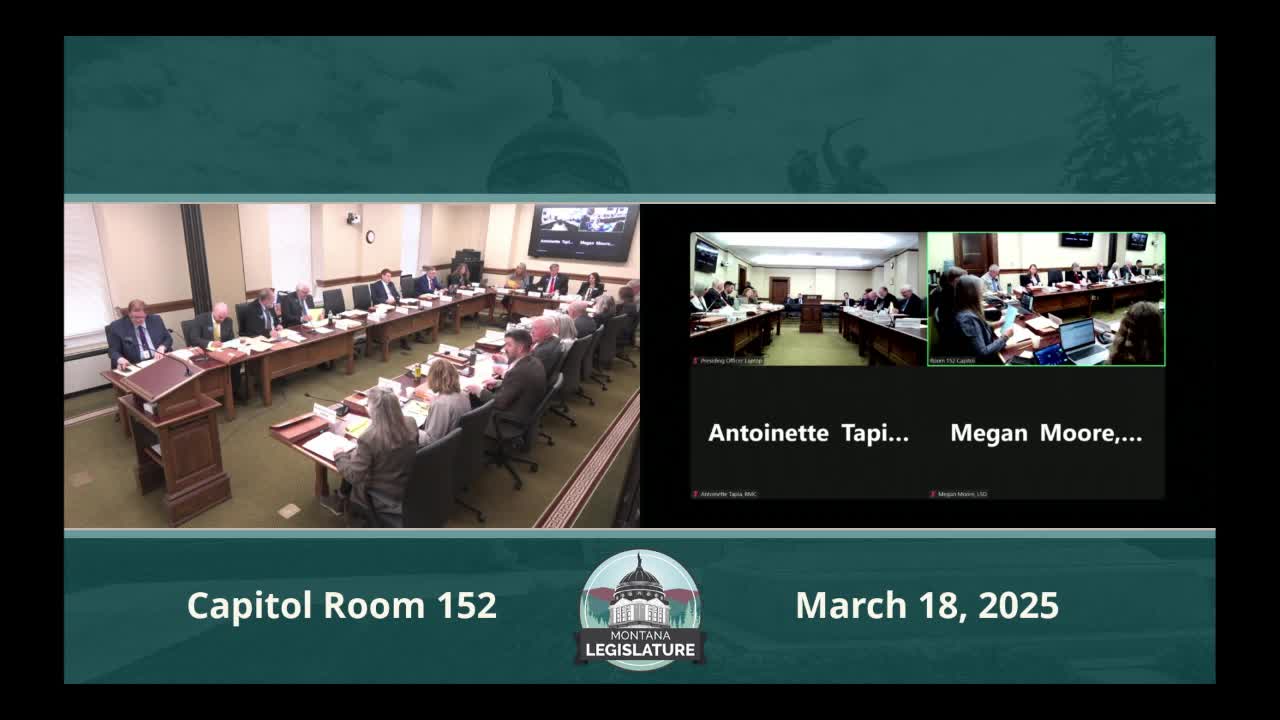
Bill would bar sale of residential tax deeds to foreign entities, sponsor says
Summary
Senate Bill 306 would prohibit county treasurers from selling tax deeds to residential property to foreign entities or entities without U.S. principal business presence; sponsor said the bill responds to inquiries and aims to keep Montana property in local hands.
Senate Bill 306, introduced by Sen. Ken Bogner, would prohibit a county treasurer from selling a residential property tax deed to a foreign entity, defined in the bill to require that an entity’s principal place of business be within the United States and that it be subject to U.S. jurisdiction.
Sen. Ken Bogner (Senate District 18, Miles City) said the bill responds to inquiries in his district and seeks to prevent foreign governments, foreign political parties, or foreign banks from buying Montana residential property through the tax‑deed sale process. “Montana’s land should belong to those who live and work and invest in our communities, not foreign entities looking to turn a profit,” Bogner told the committee.
Bogner said he was not aware of completed sales to foreign entities but noted at least one inquiry in Fallon County that prompted the bill. Committee members asked whether county treasurers and stakeholders had been consulted; Bogner said the treasurer who handled the inquiry was “fine with that.”
Committee members asked clarifying questions about definitions and coverage. The sponsor confirmed the bill’s definitions require an entity to have a U.S. principal place of business and that the prohibition would not apply to individuals. In response to a question about ownership vehicles such as real‑estate investment trusts, the sponsor pointed to the bill’s definition, which focuses on jurisdiction and principal business location.
The hearing closed with no opponents or informational witnesses appearing on the record in the transcript.
No committee amendment or vote is recorded in the transcript.