Get Full Government Meeting Transcripts, Videos, & Alerts Forever!
Get email alerts on the Sentencing Policy topic
No spam. Unsubscribe anytime.
Residents and partners tell appropriators mandatory minimums would remove incentives, harm reentry
Summary
Multiple residents, resident volunteers and community partners urged lawmakers not to adopt Senate Bill 2128 in its current form, arguing the bill’s mandatory minimums and removal of earned-time incentives would reduce participation in peer and crisis programs and undermine prospects for successful reentry.
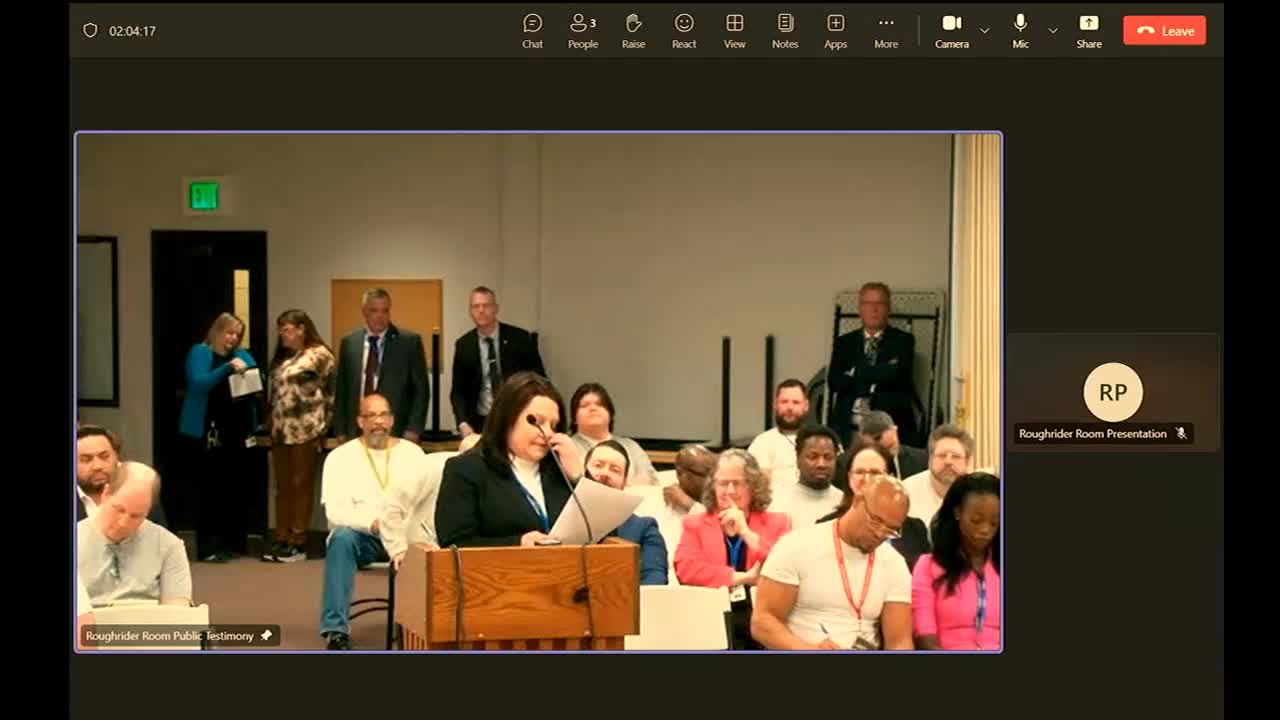
During the site visit, several residents, resident volunteers and community partners addressed the committee specifically about pending legislation, Senate Bill 2128, which would impose mandatory minimum sentences. Witnesses urged caution and warned the committee that the bill would remove incentives that currently encourage participation in peer support, educational and reentry programs.
Nathan Teavey, a resident who serves on the Resident Crisis Support Team (RCST), told the committee that the RCST provides observation coverage and that members earn additional meritorious good time. “Senate Bill 2,128 is the embodiment of incentive destroying legislation,” Teavey said. He argued that removing the earned-time benefit would substantially reduce participation and that the program’s 50-plus volunteers currently provide coverage that would otherwise cost the state the full-time salaries of several staff.
Adam Martin, founder and CEO of the FI Project, said he supports rehabilitation and that mandatory-minimum changes “take away incentives and lock people up longer,” and he urged legislators to invest in programming instead: “If we want to fix something, fix putting them to work.” Resident speakers, including Christian Tolbert, Antonio Stadaro and others, described how orientation, resident-led programs, Shining Light and faith-based groups created hope and a sense of purpose; several said removing incentives would strip that hope away.
Why it matters: witnesses framed the choice about sentencing as a practical question about outcomes: programs that offer meaningful incentives and pathways to employment or housing, they said, increase the chances people will change behavior and return to communities as productive neighbors.
What legislators heard: a cross-section of residents, program staff and community partners asked lawmakers to weigh the operational and human effects of mandatory sentencing proposals before removing earned-time or other incentive structures.