Get Full Government Meeting Transcripts, Videos, & Alerts Forever!
Get email alerts on the Paid Parking topic
No spam. Unsubscribe anytime.
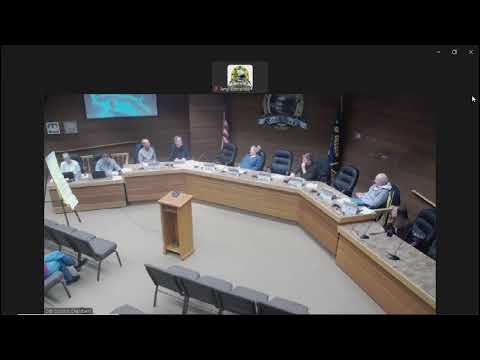
Commission discusses paid parking at Coos Bay parks as potential revenue and enforcement tool
Summary
City staff proposed exploring paid parking at parks and high‑use sites to raise revenue for maintenance and improve enforcement; commissioners discussed pilot options, equity concerns and potential restrictions at state‑regulated boat ramps.
City of Coos Bay staff introduced paid parking for parks as a possible alternative revenue source to support maintenance, staffing and capital repairs, and the Parks Commission discussed potential implementation and community impacts. Greg Hablett, speaking for staff, said other Oregon cities charge for parking at open spaces and that revenues could be earmarked directly for parks. "The revenues collected from the park fees could be allocated directly into park maintenance, improvements and or staffing," Hablett said.
Speakers outlined potential benefits: dedicated funding for repairs (for example, rebuilding parking lots at high‑use sites), improved enforcement to reduce long‑term overnight parking and camping, and a way to have visitors contribute to upkeep. Commissioners also voiced concerns about public perception, implementation logistics and equity for frequent users. Ariane Lyons, a Parks Commission member, suggested event‑based fees and season or annual passes for routine users as alternatives to constant metered parking.
The group identified practical constraints: the Oregon State Marine Board may limit parking charges at boat ramps (speakers said fees above certain thresholds can reduce matching state funding), enforcement capacity is limited without dedicated personnel and ADA considerations for disabled placards must be respected. Commissioners asked staff to gather comparative data from other cities (examples cited included Bend, Eugene and Newport) and to consult the city manager before bringing a formal proposal to council. No formal vote or policy change was made at this work session.