Get Full Government Meeting Transcripts, Videos, & Alerts Forever!
Get email alerts on the Mobile Home Rent Stabilization topic
No spam. Unsubscribe anytime.
Council orders RFP for mobile‑home rent‑stabilization hearing officer amid resident concerns about removing appeals
Summary
Facing longtime vacancies on its mobile‑home rent stabilization board and complex legal cases, the Calimesa City Council directed staff to issue an RFP to retain a hearing officer to handle rent‑adjustment petitions; residents urged retaining multi‑member review and an appeal pathway.
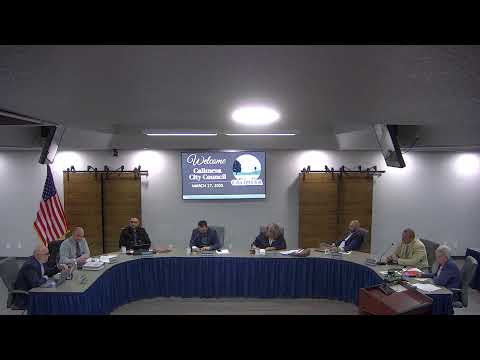
The Calimesa City Council on March 17 directed staff to issue a request for proposals (RFP) to retain a mobile‑home rent‑stabilization hearing officer after staff and council members described long‑running vacancies on the Rent Stabilization Board and the complexity of adjudicating special and capital improvement rent petitions.
Staff background: Skyler Curtis (presenter) and other staff said the Rent Stabilization Board has five regular seats and two alternates but currently has vacancies in all positions; the last petition before the board was in February 2014. Staff reported the board’s duties include hearings on special rent adjustments (for reasonable return) and capital improvement rent increases. The ordinance provides for a monthly rent control fee (currently $1.79 on resident statements) paid by park owners; staff said accumulated funds could be used to pay a hearing officer.
Why the change: Staff said the ordinance’s technical, legal and evidentiary work contributed to low volunteer interest. The city cited Yucaipa’s 2023 decision to retain a hearing officer after similar recurring issues with a five‑member commission. Staff proposed an RFP seeking a professional hearing officer to coordinate hearings, review documentation, conduct hearings, issue written determinations and perform related legal research on an hourly, as‑needed basis; Yucaipa staff told Calimesa they have not received any petitions since adopting the hearing‑officer model.
Resident responses: Two residents from a local mobile‑home park — Donna Johnson and Elizabeth Bishop — spoke during public comment and urged caution. Johnson, speaking as a park resident and GSMOL representative, said residents were on fixed incomes and opposed an owner’s attempts to reclassify ordinary maintenance as capital improvements; Bishop said replacing a multi‑member board with a single hearing officer would remove community voices and disadvantage homeowners who lack dedicated advocates. Both urged the council to preserve appeal rights and strong resident protections.
Council discussion and vote: Council members emphasized competing priorities: the legal complexity of petitions favors a trained hearing officer, but the board model provides more community participation. Staff said that if a hearing officer is chosen, the council could remain the final appeal body; legal counsel warned decisions can still end up in court and that council reversals inconsistent with law could generate liability and costs that ultimately affect residents.
Action taken: The council voted 4‑1 to direct staff to issue an RFP for a mobile‑home rent‑stabilization hearing officer; the vote authorizes staff to return later with contract recommendations and any ordinance amendments needed to implement a hearing officer model. The motion passed with a single dissenting vote; details on which councilmember voted no were not specified in the record.
Why it matters: Calimesa has multiple rent‑controlled mobile‑home parks where residents live on fixed incomes; the city’s choice of an adjudication model affects resident participation, legal costs and the timeline for resolving petitions.
Ending: Staff will return with proposed contract terms, a recommended hearing‑officer candidate or firm from the RFP process and draft ordinance changes to implement the chosen model.