Get AI Briefings, Transcripts & Alerts on Local & National Government Meetings — Forever.
Newly funded human services programs brief Sammamish commission on mentoring, early-childhood mental health, survivor services and case management
Summary
Representatives from the Links Lunch Buddy mentoring program, BrightSpark (Holding Hope), DAWN and the Issaquah Food & Clothing Bank described services funded by the city's recent grant round and answered commissioner questions about scope and reporting.
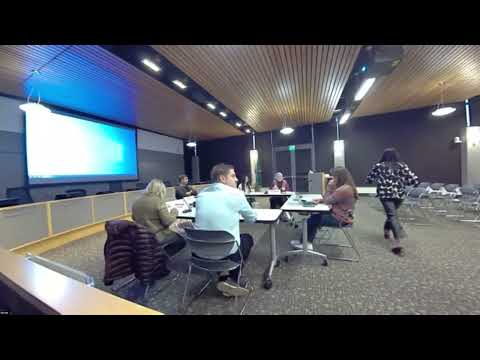
At a Human Services Commission meeting, four newly funded service providers described programs the commission funded for 2025'2026 and answered commissioners' questions about reach, staffing and reporting.
Victoria Gitzy Nelson, who manages the Links Lunch Buddy program for the Lake Washington School District, described one-to-one mentoring in elementary schools: mentors meet weekly with referred students during combined lunch and recess time to build relationships and social-emotional skills. "We know that mentoring, helps students with, with attendance," Nelson said, and she noted mentors are vetted through district background checks, complete orientation and work with staff to set goals for each child.
Nelson told the commission she had 215 mentors in the previous year and 15 returning mentors; she said the program typically has more student referrals than available mentors and uses district and community outreach to recruit volunteers.
Janine Myers, director at BrightSpark Early Learning Services (formerly Child Care Resources), briefed the commission on Holding Hope, an infant and early-childhood mental health consultation program. Myers said the team expanded from four to nine mental-health consultants this year and partners with child-care providers, families and coaches to reduce expulsions, support staff and promote social-emotional development. She said the service "is about understanding where they are and how best to meet their needs, building those relationships, and strengthening the skills of our early learning workforce."
A representative of Domestic Abuse Women's Network (DAWN) summarized survivor services including a 24-hour advocacy line, a confidential shelter with 13 rooms and specialized services such as legal and immigration advocacy, mobile advocacy and an on-site mental-health clinician. The speaker said DAWN served about 1,800 people last year, that staff accepted 29 pets alongside survivors in shelter because many leave abusers only if pets can come too, and that the organization runs Spanish and English support groups.
Stephanie Nortonbradel, executive director of the Issaquah Food & Clothing Bank, described the agency's client-services and case-management work. Nortonbradel said the program has two paid case-management staff (with one vacancy) and four volunteers who provide emergency food, clothing, bus tickets and short-term help with rents, storage or bills. She told commissioners the organization receives roughly 20 rental-assistance requests per month and typically can help three to four people; the food bank has set aside about $3,000 a month for rental assistance and aims to fill funding gaps after other local agencies vet applicants.
Commissioners asked about program data and metrics; staff told commissioners that newly funded grantees must submit quarterly reports and that program-level reporting for the first quarter (January'March) will be due by mid-April. Commissioners also asked about mentor retention, provider capacity and access for non-English-speaking families; presenters said they use district referrals, community outreach, home assessments (for other programs) and vetted volunteer recruitment to expand reach.
Why it matters: these programs target early-childhood mental health, mentoring, survivor services and basic needs supports that commissioners identified as priorities during the recent grant allocation. Commissioners requested post-award reporting to track whether programs meet contracted service units and to identify gaps for future funding rounds.
What happens next: grantees will provide first-quarter reports by mid-April; staff will include program performance in commission materials and follow up on any data gaps raised at the meeting.