Get Full Government Meeting Transcripts, Videos, & Alerts Forever!
Get email alerts on the School Finance topic
No spam. Unsubscribe anytime.
Princeton treasurer says revenue mix changing, urges voter support as tangible personal property tax phases out
Summary
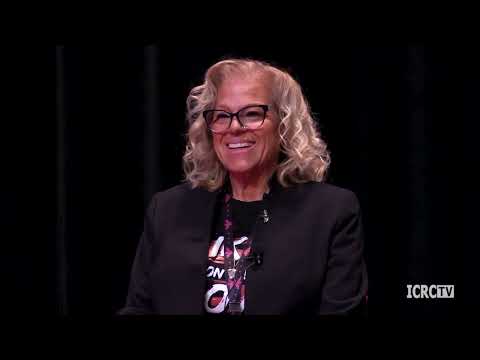
Chris Petter, Princeton City Schools treasurer, told listeners that a key revenue source is phasing out and that the district will likely need voter support to maintain programs; she also said 70% of students are classified as economically disadvantaged by the state.
Chris Petter, treasurer for Princeton City Schools, told Viking Voices that the district’s revenue mix is shifting and that a previously important source — the tangible personal property tax — is “completely phasing out over the next few years.” She said the change will require the district to consider asking voters for additional local support to sustain programs that currently rely on that revenue.
“Tangible personal property tax is something that many people in Princeton don't even know about anymore, but that was a great source of income for this district…so now we're evolving a little bit, that money is completely phasing out over the next few years, so we're going to have to start doing what most of the public school districts around the state are doing, which is asking voters to help support the school,” Petter said.
Petter characterized Princeton as a district with high property valuations but notable student need: “We do have 70% economically disadvantaged students,” she said, adding that the community’s visible wealth and the student population’s needs can appear contradictory to outside observers. She said the district will need to plan for the fiscal change and communicate with residents about how revenue shifts could affect programs.
On communication, Petter asked listeners not to assume they understand district finances and invited questions: “Don't make assumptions about the school's finances. If you have questions, contact me,” she said. She also described the school business office as preparing to meet the evolving revenue environment and thanked behind-the-scenes staff for their work.
Petter noted the broader state fiscal context — discussion at the state level about taxes and budgets — and said the district anticipates shifting more toward voter-supported local measures to preserve programs that the community values.