Get Full Government Meeting Transcripts, Videos, & Alerts Forever!
Get email alerts on the Renewable Portfolio Standard Hydropower topic
No spam. Unsubscribe anytime.
Debate over adding hydropower to Oregon RPS surfaces in Senate committee hearing
Summary
Senate Bill 634 would allow existing hydroelectric generation to count toward Oregon's renewable portfolio standard; sponsors said it recognizes hydropower's reliability and storage-like properties while opponents warned it could blunt incentives for new clean generation and harm the state's clean-energy transition.
Senate Bill 634 would expand the types of electricity that can count toward Oregon’s Renewable Portfolio Standard to include hydroelectricity from existing facilities, the Senate Committee on Energy and Environment heard on March 17. Sponsors said including hydroelectricity recognizes an established, renewable, dispatchable resource; opponents said the original RPS intentionally excluded legacy hydro so it would drive new investment in wind, solar and other emerging resources.
Daniel Bonham, state senator for the Mt. Hood region, told the committee that hydropower is “absolutely clean. It is renewable. It is available, it acts as a battery, in many cases,” and cited ancillary benefits such as flood control and navigation. Senator David Brock Smith, sponsor and long‑time member on energy issues, said Oregon is among the few states that do not count existing hydro toward the RPS and argued the policy change would help utilities comply without further near‑term investment in new capacity.
Opponents said adding legacy hydro to the RPS would allow utilities to meet statutory targets without investing in new clean resources. Dr. Pat De Laquille, representing Mobilizing Climate Action Together, said the RPS was enacted to “help build a market for new clean energy power plants” and warned that “SB 634 would eliminate that distinction, allow the electric utilities in Oregon to claim credit … without having to make any additional investments,” which he argued would “gut the fundamental purpose of the law.”
Emily Griffith, Oregon Policy Manager for Renewable Northwest, said the RPS was “carefully crafted with a broad array of stakeholders to balance important policy priorities, including the decision to exclude legacy hydro from counting towards RPS.” Griffith told the committee that including existing hydro could “artificially inflate progress towards decarbonization without addition of new renewable energy resources to the grid” and could reduce resource diversity and resilience.
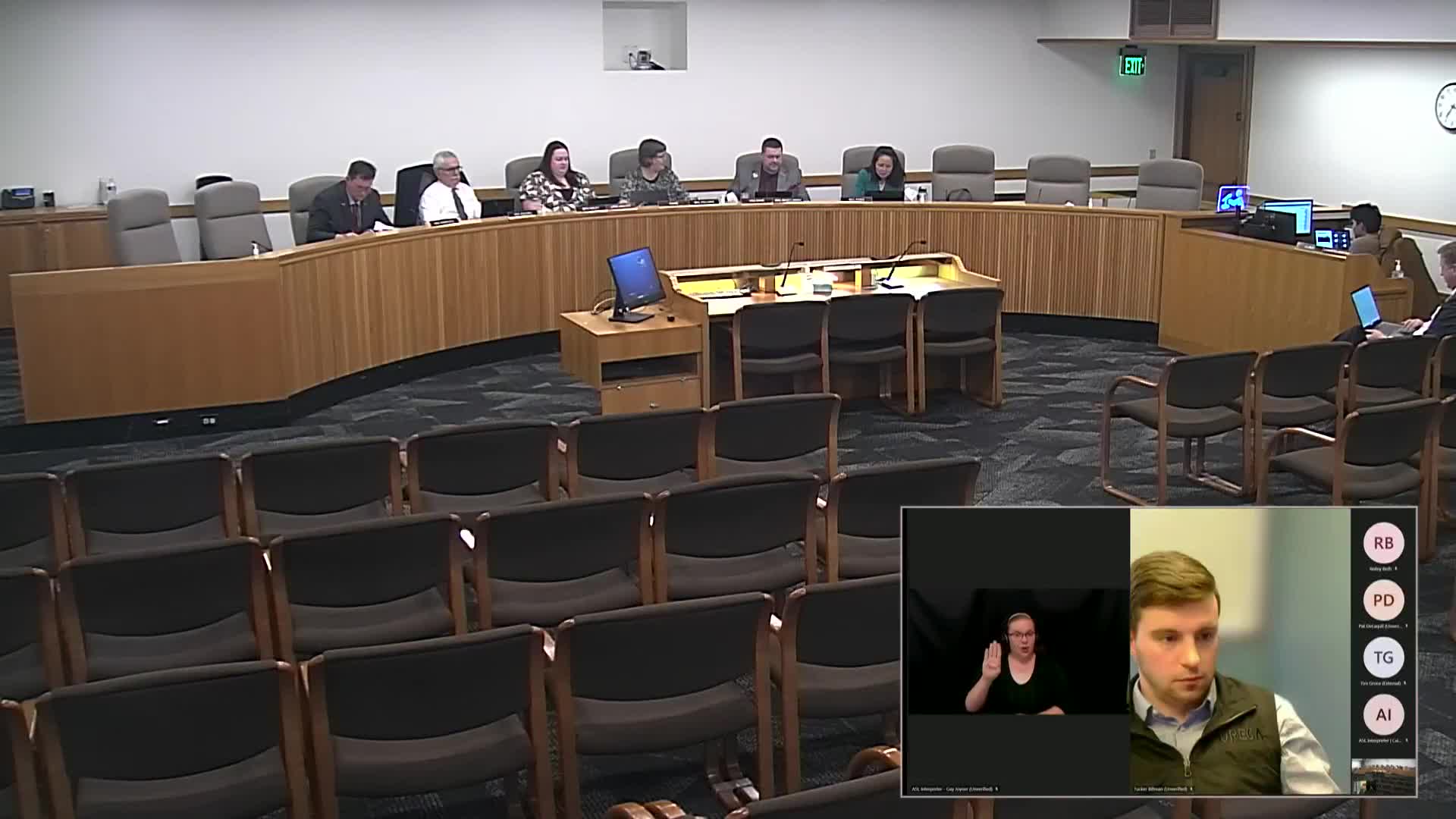
Tucker Billman, director of government relations for the Oregon Rural Electric Cooperative Association (ORECA), representing consumer‑owned electric cooperatives, urged that the Federal Columbia River Power System (FCRPS) — the network of Columbia and Snake River hydroelectric dams that serve much of the Pacific Northwest — is a critical, low‑cost, renewable and dispatchable resource for rural Oregonians and said cooperative members rely on it to keep bills affordable and the grid stable.
Environmental and tribal concerns were repeatedly raised in testimony and written comments cited in the hearing record; the committee paused SB 634 briefly to hear related questions about a different bill (SB 221) concerning fish incubation nurseries and the State Department of Fish and Wildlife’s role. Senators asked whether certain hydro facilities that have modernized fish passage or low‑impact certifications should be treated differently than older projects; sponsors said those distinctions and mitigation possibilities could be part of further discussions.
Procedure and next steps: The committee received multiple oral statements for and against SB 634 and closed public testimony for that day. No floor vote on SB 634 occurred March 17; sponsors and committee members discussed potential amendments and requested additional information on which hydro projects would qualify under RPS changes.