Get Full Government Meeting Transcripts, Videos, & Alerts Forever!
Get email alerts on the Judicial Elections topic
No spam. Unsubscribe anytime.
Proposal to restore partisan judicial elections draws robust debate over judicial independence and voter information
Summary
Representative Robin Lundstrom proposed an amendment to require judges to run with party labels. Supporters said voters deserve transparency about judicial philosophy; opponents — including the Arkansas Judicial Council, sitting judges and the Arkansas Bar Association — warned it would politicize the judiciary and damage public confidence.
State Representative Robin Lundstrom presented House Joint Resolution 1015 to require partisan labels on judicial candidates’ ballots (Republican, Democrat, Independent). Lundstrom framed the change as restoring transparency: “The voters deserve the truth. They deserve transparency. They elected you.”
Judges and lawyers testified strongly against the measure. Judge David McCormick, a circuit judge who spoke for the Arkansas Judicial Council, told the committee: “Having partisan judges effectively removes their blindfolds and opens the door for folks to think that cases are being decided on who belongs to which political party.” He said the council voted unanimously to oppose the proposal.
Kristen Pollock, president of the Arkansas Bar Association, urged defeat, saying the nonpartisan system adopted by Amendment 80 followed “a long fought, slow, studied, and careful process” and that judges wear black robes to signal neutrality. Pollock told the committee that while voters want information about candidates, party labels are not the best way to assess judicial fitness; the bar urged better voter education about character, experience, temperament and disciplinary history.
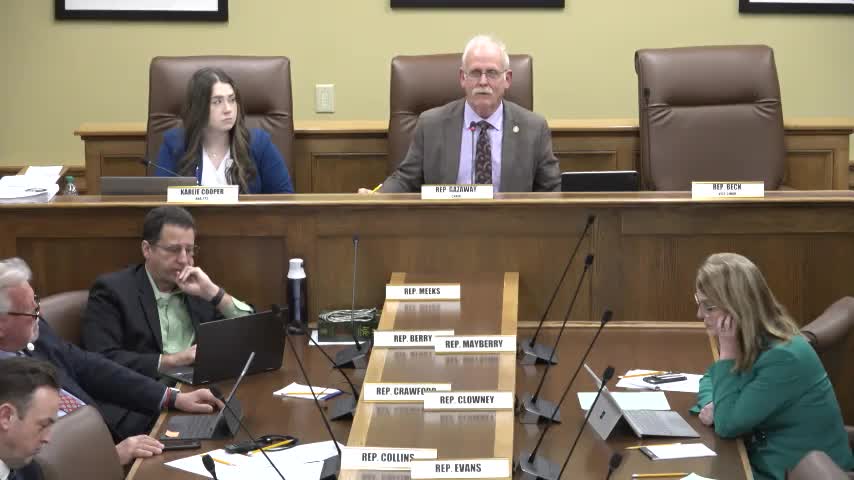
Sitting judges and committee members debated practical trade-offs: committee members said voters often lack information about judicial candidates and that party labels are an accessible political shortcut; judicial witnesses said labels would foster perceptions of bias even if judges keep decisionmaking impartial. The Arkansas Judicial Council and sitting judges also warned that partisan elections could accelerate attacks on the judiciary and erode public confidence.
No committee vote occurred. Representative Lundstrom closed by arguing for voter transparency and urged referral so the public could decide. The committee left the matter open for further consideration.