Get Full Government Meeting Transcripts, Videos, & Alerts Forever!
Get email alerts on the Dependent Neglect Intervention Sb249 topic
No spam. Unsubscribe anytime.
Bill would let relatives and caregivers present evidence in dependent-neglect hearings; county attorneys raise confidentiality concerns
Summary
Senate Bill 249 would require courts to accept evidence from people who have provided care or continuity for a child — for example, grandparents or nonparent caregivers — so those relationships can factor into dependent-neglect adjudications.
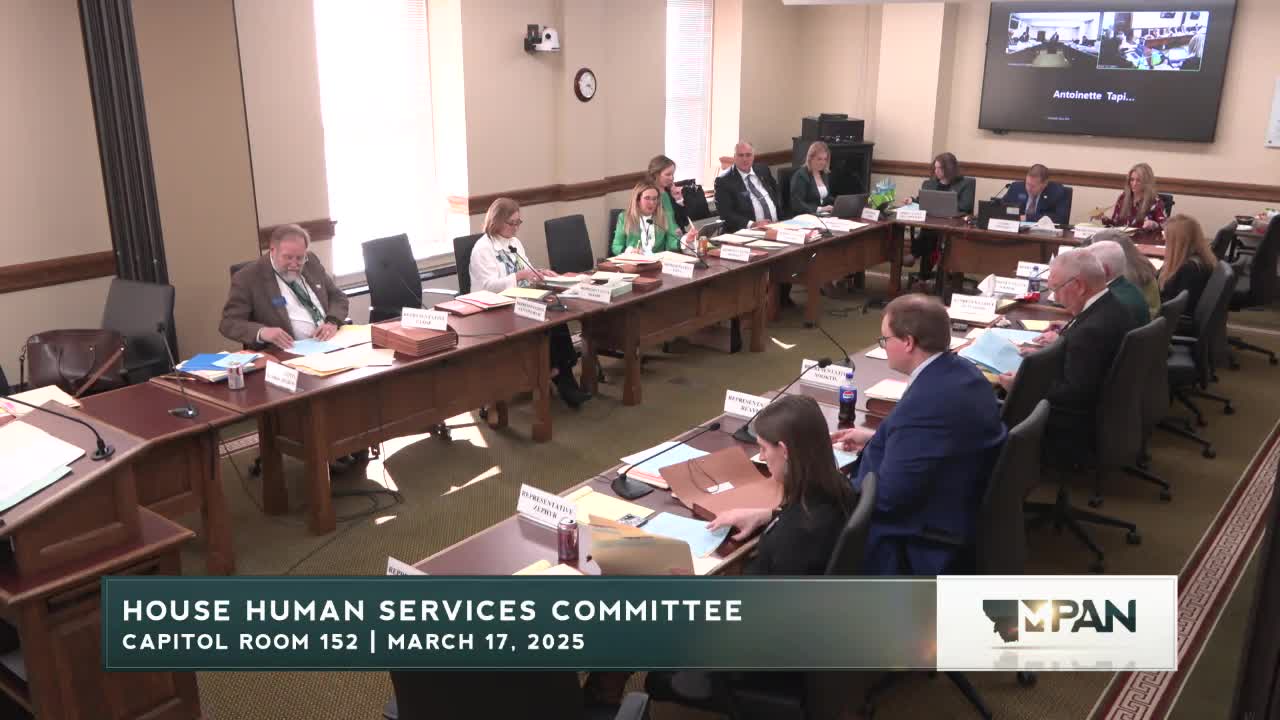
Senator Dennis Lenz opened the hearing on Senate Bill 249 on March 17, saying the bill would require courts to accept evidence about a child's care and the intent of parents when a child has been placed with or allowed to remain with another person. Lenz said the change would allow courts to hear from people who have provided continuity of care even when abandonment is not alleged.
Kyla Hailstone, a paralegal investigator and family law specialist, and Joseph Rafiani, an attorney and former assistant attorney general, testified in favor of the bill, saying that allowing grandparents, stepparents and other caregivers to offer evidence would improve the court’s information about a child’s relationships and could produce more stable placements and better outcomes. Rafiani and Hailstone emphasized that intervention would not automatically make caregivers parties to the cause of action; rather, their evidence would inform decisions about a child’s treatment or permanency plan.
Heather Webster, deputy chief county attorney in Yellowstone County's child-abuse-and-neglect division, testified in opposition. Webster said that current statute already gives foster parents, pre-adoptive parents and relatives notice and opportunities to be heard and that expanding intervention risks disclosing highly confidential discovery material to people who are not parties. She cited Montana Supreme Court precedent limiting who may intervene and said foster parents are already entitled to notice and a right to be heard without becoming parties.
Nikki Grossberg, an informational witness from Child and Family Services, answered committee questions about who typically appears in abandonment hearings and whether the bill would target foster parents or other caregivers. The sponsor and witnesses discussed that the bill’s intent is to ensure people who had formed parental-like relationships before the dependency-neglect case can offer evidence, not to automatically convert foster parents into full parties.
Committee members debated the scope of the change, whether foster parents would be included, and how intervention would interact with discovery and confidentiality rules. No final committee action or vote was recorded at the hearing.