Get Full Government Meeting Transcripts, Videos, & Alerts Forever!
Kingston air monitoring shows neighborhood PM2.5 spikes; Bard team urges more sensors and fewer wood fires
Summary
At a CAC meeting, Bard College researchers presented four years of Kingston air-quality monitoring showing neighborhood-level PM2.5 spikes that can exceed rooftop and regional measures. Presenters urged more ground-level sensors, funding for community sensors, and reductions in recreational and residential wood burning.
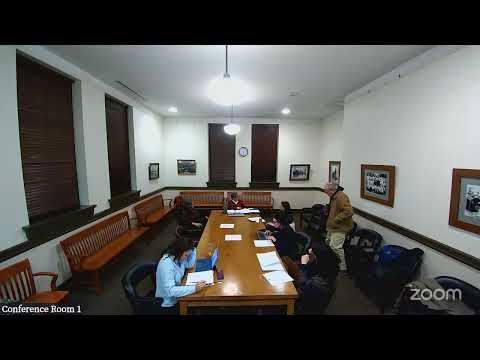
At a meeting of the CAC, a researcher from Bard College presented preliminary results from the Kingston Air Quality Initiative, showing that neighborhood-level particulate matter (PM2.5) often spikes above what rooftop and regional sensors register.
The Bard presenter said the initiative has deployed a rooftop regional monitor on the Annie Murphy Neighborhood Center and a network of neighborhood-level purpleair sensors, and that the neighborhood (ground‑level) readings sometimes show higher PM2.5 than the regional rooftop sensors. The presenter said, “PM 2.5 … is the size of 2 or 3 bacteria holding hands,” and emphasized that PM2.5 can penetrate lungs and blood and has known short‑ and long‑term health effects.
Why it matters: PM2.5 exposure is linked to respiratory and cardiovascular disease. The Bard team said Kingston lacks a dense neighborhood network of monitors and that better local data would let the city focus public-health guidance, enforcement, and grant-funded mitigation.
Most important facts
- The Kingston Air Quality…
Already have an account? Log in
Subscribe to keep reading
Unlock the rest of this article — and every article on Citizen Portal.
- Unlimited articles
- AI-powered breakdowns of topics, speakers, decisions, and budgets
- Instant alerts when your location has a new meeting
- Follow topics and more locations
- 1,000 AI Insights / month, plus AI Chat