Get Full Government Meeting Transcripts, Videos, & Alerts Forever!
Get email alerts on the Homelessness Navigation Center And Outreach topic
No spam. Unsubscribe anytime.
Springboard: Georgetown navigation center serves dozens; some residents raise safety and sanitary concerns about Higher Ground Outreach
Summary
Springboard reported program statistics for the Georgetown Navigation Center and a street‑outreach by‑name list; public commenters later alleged drug use and unsanitary conditions at Higher Ground Outreach.
Springboard Collaborative representatives told the Georgetown Town Council on Jan. 27 that the town’s navigation‑center model — widely known locally as the Pallet Village — is providing interim housing and services for dozens of people and that program costs have fallen as operations have stabilized.
Springboard said the program has served 103 people since January 2024, currently houses about 40 people, and that 97% of residents are taking part in some form of service. Program staff reported an average length of stay of five months and a 35% transition rate to permanent housing. Springboard provided a per‑person operating cost of $56 per day and said personnel costs are the largest line item; USDA food subsidies cover about 55% of foodservice costs.
A Springboard representative also described a street outreach effort that produced a by‑name list of 95 people experiencing homelessness in Georgetown and said the outreach team has documented needs including mental health conditions and substance use. “We have a by name list of 95 homeless people in Georgetown,” the Springboard representative said, noting that 36% self‑reported mental‑health issues, 61% reported substance use, and 35% chronic health issues. The town’s street outreach data team was identified by name as Dana Ellis and Paul Berry; Springboard said it is seeking partners such as RED, Impact Life and Brandywine to share the list under nondisclosure agreements so agencies can target outreach.
Springboard also asked for community donations to support a small stipend for its street outreach team while the group works toward 501(c)(3) status.
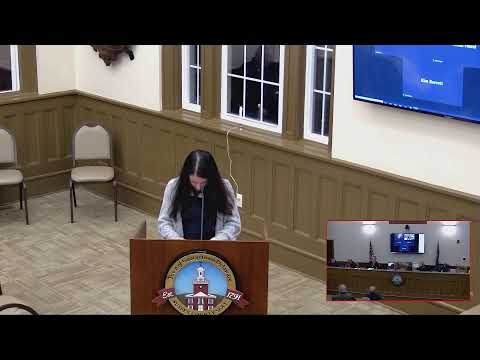
During the public‑comment portion of the meeting, two speakers raised sharply critical allegations about a separate local outreach provider, Higher Ground Outreach. One commenter, who identified themselves as a volunteer and said they had filed reports with environmental health and safety and the police, alleged that staff at Higher Ground “allow people to do drugs there” and that they had witnessed drug use and overdoses without ambulance calls. That commenter also alleged pest problems and named staff members, including “Lou Hernandez,” as permissive of illicit drug activity.
Petra Shriver of Millsboro, who said she volunteers with outreach efforts, described overcrowding and unsanitary conditions at Higher Ground Outreach. “The conditions of Higher Ground Outreach are inhumane, unsafe, and unhealthy,” Shriver said. She said volunteers and founders were overwhelmed and that she had observed cockroaches, black mold in a shower and what she described as inadequate cleaning of bathroom facilities. Shriver and the other commenter urged officials to follow up and asked to speak with staff after the meeting.
Council members did not take formal action on the allegations during the meeting. Springboard’s update and the public comments occurred in separate agenda segments but address the same broader topic of homelessness and outreach in Georgetown.
Ending: Springboard said it will continue outreach work and partner with other agencies; council members encouraged follow‑up and promised to speak with public commenters after the meeting.