Get Full Government Meeting Transcripts, Videos, & Alerts Forever!
Get email alerts on the Education Student Data Immigration topic
No spam. Unsubscribe anytime.
House committee introduces proposal to add immigration status, nationality to K-12 demographic data
Summary
Lawmakers voted to introduce RS32405C1, a draft that would require Idaho public school districts to report aggregated immigration-status and nationality fields in student demographic records and post aggregated results to the state superintendent’s website.
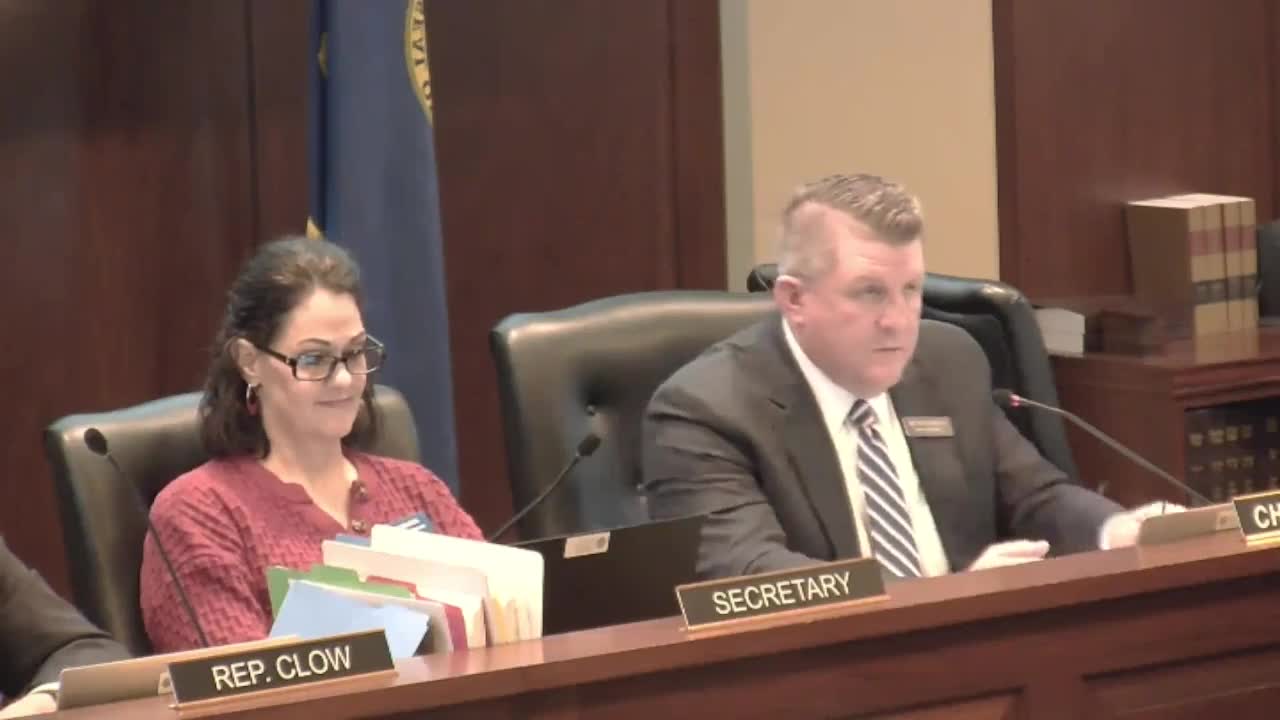
The House Education Committee voted to introduce RS32405C1, a legislative request that would add immigration status and nationality to student demographic data collected from Idaho public schools and districts.
Supporters said the measure would give policymakers better information to make decisions about schools. "We need some statistics, we need some information," Representative Steve Tanner said. "So that we can make better decisions about what is needed for our schools." Tanner told the committee his office asked the Legislature’s fiscal staff for background data and cited University of Idaho and Pew Research figures showing increases in foreign‑born and refugee populations in Idaho.
The RS modifies earlier language to make two changes: it expands the covered grades to kindergarten through 12, and it narrows the scope to "Idaho public educational institutions or Idaho public school districts." The draft also cross‑references Idaho Code 13‑1‑33 (student records) and would require that any immigration or nationality fields be released only in aggregate form and posted on the superintendent of public instruction’s website.
Tanner told the committee the proposal attempts to follow current student‑records law. He cited the 1982 U.S. Supreme Court decision Plyler v. Doe to remind members that states cannot refuse public‑school education to undocumented children; Tanner also said his staff reviewed published estimates about Idaho’s foreign‑born population, including a University of Idaho McClure Center estimate of roughly 35,000 undocumented residents (data cited as of 2021) and a usafacts.org estimate of about 112,000 foreign‑born residents (all categories) representing about 5.7% of Idaho’s population.
Proponents emphasized limits on the request: the RS, as written, directs that any data released be aggregated and that personally identifiable student information remain private under the cited Idaho statute. Tanner said the bill would add only two items to what the statute already lists as demographic elements in student records: immigration status and nationality.
Committee members did not debate amendments; Representative Harris moved to introduce the RS. The committee recorded the motion and then took a roll call. By a recorded vote of 9 to 5, the committee approved introduction and the RS was ordered introduced for further consideration.
The measure will next follow the Legislature’s standard bill‑printing and hearing process; introduction does not adopt any policy or require districts to change existing records immediately.
Sources at the hearing said LSO (Legislative Services Office) staff provided the committee with the current student‑records code language and the presenters provided summary handouts of the population estimates cited during testimony.