Get Full Government Meeting Transcripts, Videos, & Alerts Forever!
Get email alerts on the Occupational Licensing topic
No spam. Unsubscribe anytime.
House panel approves Idaho electrical rules but strips continuing-education requirement
Summary
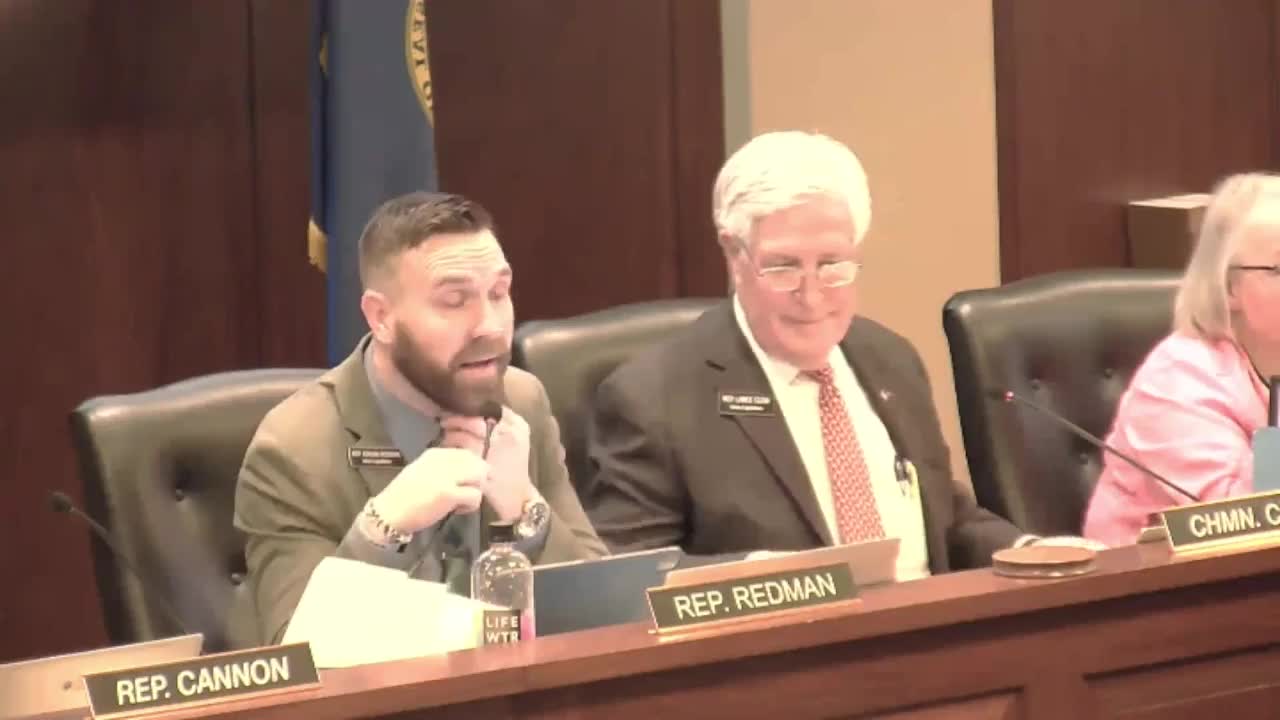
The House Business Committee on Feb. 27 approved pending Idaho State Electrical Board rules (docket 2439102402) but adopted an amendment striking the continuing-education subsection (section 100, subsection 6). Debate centered on reciprocity for electricians, program timing and whether continuing education should remain required.
The House Business Committee approved the Idaho State Electrical Board’s pending rules (docket 2439102402) on Feb. 27 but removed the continuing-education requirement by striking subsection 100.6. The committee’s action sends the revised rules forward while leaving some implementation and reciprocity questions unresolved.
Bureau chief Amy Lorenzo, who oversees the Division of Occupational and Professional Licenses and serves as executive officer to the Idaho State Electrical Board, told the committee the pending rules are the result of an extensive negotiated-rulemaking process that included eight public hearings and feedback from more than 75 unique stakeholders across the state. Lorenzo said the pending rules align many 2017 exemptions with the 2023 code and add clarifications, including a formal definition of “residential electrician,” a switch to measuring sink clearances from the inside edge for consistency, new language on islands/peninsulas and surge protection, and a path for contractors whose designee leaves the business.
The pending rules would also reallocate continuing-education hours from the 2017 8/16 split to 16 hours of Idaho-electrical-code training and 8 hours of other electrical training, and would add a limited independent-study option subject to division approval. Ms. Lorenzo said the division had an approved exam vendor (NASCLA) ready for any residential-electrical program standards the state adopts, but that no Idaho postsecondary program had yet applied for the new residential program approval.
Representative Harris moved to approve the docket with the express deletion of subsection 100.6 (the continuing-education subsection). Supporters of removal said the requirement imposes cost and time burdens and is unnecessary now that the code is adopted in statute; opponents said continuing education helps electricians stay current and preserves reciprocity with neighboring states. Amy Lorenzo told the committee deletion “would not directly affect the eligibility for initial licensure in another state,” but she also said electricians who maintain continuing education now can use those hours toward other states’ continuing-education requirements. “For our electricians right now who are maintaining those continuing education hours when they apply to another state the hours that they are currently earning would count toward what those other state that other state is requiring,” she said.
Industry witnesses urged keeping continuing education. Jeff Fitzlaw of the Idaho Electrical Contractors (IEC) said most attendees at industry meetings supported continuing education and stressed the value of live seminars to discuss code interpretation. “When we do it live, we have discussions on how and why,” Fitzlaw said. Master electrician and inspector Brett Stoddard also testified in favor of continuing education, describing widespread interest among contractors and inspectors for continued training.
The committee approved the motion to adopt the pending rules with the subsection strike; the transcript records a committee voice vote approving the docket. Representative Harris’s motion specified the rules be put into effect on sine die (the sponsor’s motion asked for implementation on sine die). The committee did not record a roll-call tally in the transcript.
What this means: The state electrical rules as presented will advance with the continuing-education requirement removed by committee action. The board and division still have options for implementing training pathways, reciprocity arrangements and the new residential electrician framework; those implementation details were discussed but not resolved in committee.