Get Full Government Meeting Transcripts, Videos, & Alerts Forever!
Get email alerts on the Homeowners Association Governance topic
No spam. Unsubscribe anytime.
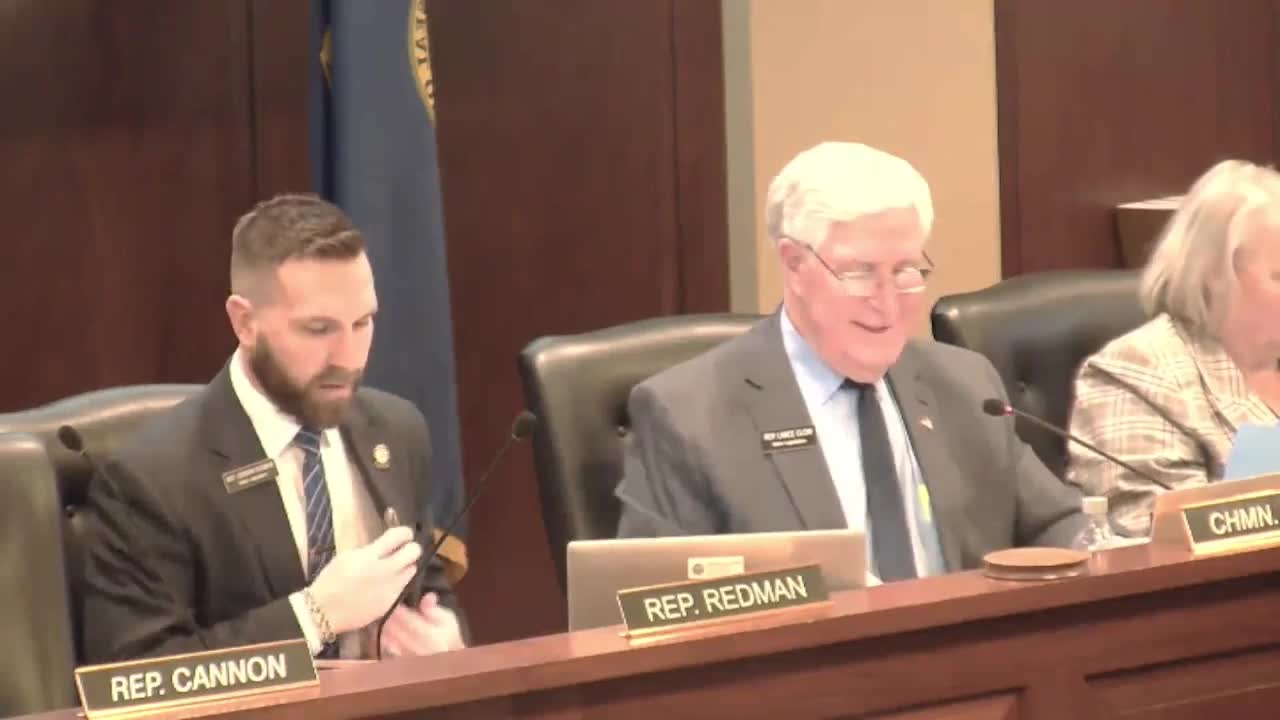
Committee sends HOA transition bill to the floor after hours of public testimony
Summary
House Bill 361, which sets timelines for developer control and proxy limits for homeowners associations, was forwarded to the House floor 16–0 after testimony from homeowners, builders and HOA attorneys raised drafting and enforcement concerns.
House Bill 361, a measure to change how and when homeowners associations (HOAs) transfer governance from developers to homeowners and to limit proxy voting, passed the House Business Committee on March 11 by voice and roll call and was sent to the floor with a due‑pass recommendation.
Representative John Weber, sponsor of the bill, told the committee the measure addresses three principal issues: (1) a requirement that, after 75% of lots are conveyed to owners other than the declarant, one‑third of the homeowners‑association board positions be offered to homeowners within 180 days; (2) a limit on proxy votes such that no single owner may hold proxy votes representing more than 50% of total votes once 95% of the development is built and occupied; and (3) other transition timing rules intended to produce homeowner representation as subdivisions mature.
Multiple residents, including Stephanie Mathis and Joseph Lowne of Idaho HOA Neighbors for Change, urged stronger protections for homeowners than the draft contains. Mathis said the current draft lacks enforcement levers and said some homeowners in her subdivision have paid assessments for more than a decade without representation. Lowne recommended an earlier full turnover at 75% and said the bill’s 12‑month and 95% timelines could leave homeowners without practical remedies if problems emerge after developers exit.
Ken Burgess of Veritas Advisors, representing the Idaho Home Builders Association, and other industry witnesses supported the bill’s timelines, telling the committee developers face large upfront costs and that a staged transition at 75% and a final turnover near completion (95%) balance investor risk and homeowner representation. Burgess said large developments can take several years to sell lots and that developers need incentives to finish planned amenities and infrastructure.
Noel (last name provided in testimony), an attorney representing the Community Associations Institute, urged clarifying drafting changes, including defining “declaration” and treating bylaws and mixed‑use developments consistently; she also flagged attorney‑fees language and exceptions for very small associations.
Representative Crane moved to send the bill to the House floor with a due pass recommendation. After debate and questions the roll call showed the motion passed 16–0.
Supporters called the bill a step toward increasing homeowner representation; opponents and several committee members said the draft needs further work on enforcement, definitions and phase‑by‑phase accounting for large planned communities. Sponsor Weber said he regarded the bill as a starting point for legislative refinement rather than a final product.
The bill moves to the House floor for further debate and possible amendment.