Get Full Government Meeting Transcripts, Videos, & Alerts Forever!
Get email alerts on the Campaign Finance topic
No spam. Unsubscribe anytime.
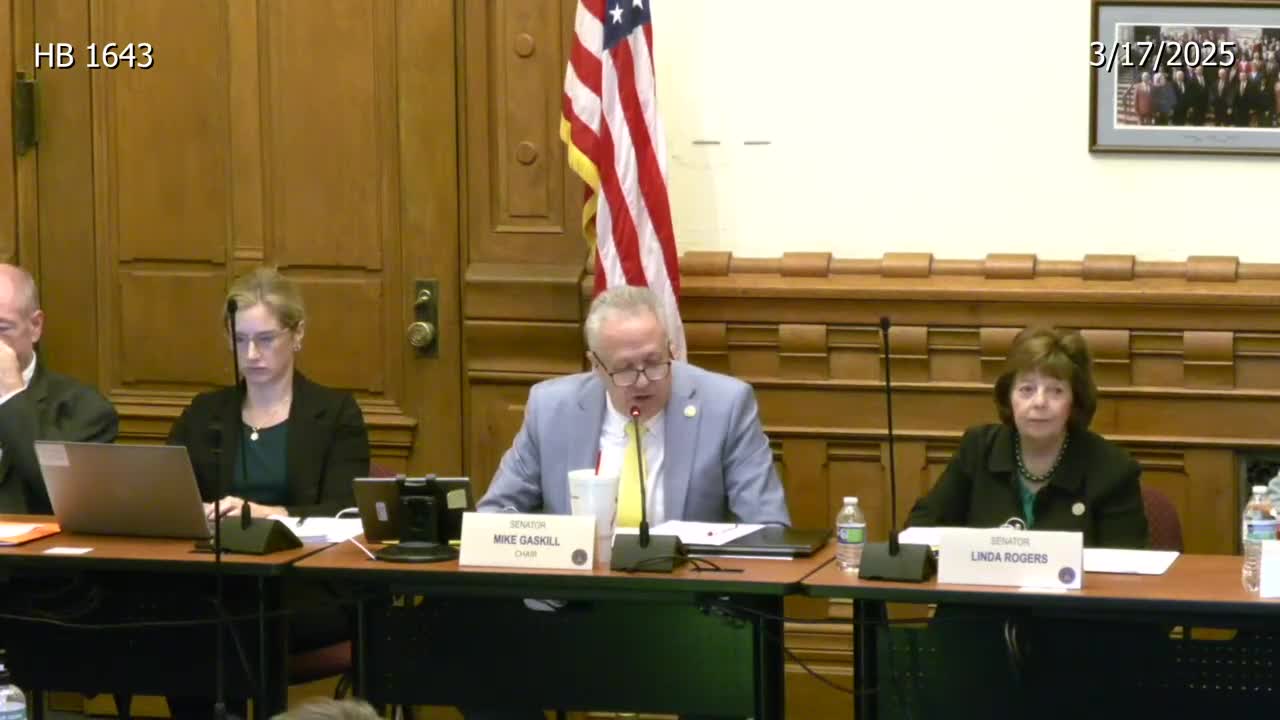
Senate panel advances bill to change campaign finance rules, remove advisory-opinion authority
Summary
Representative Kyle Pierce introduced House Bill 16-43, a campaign finance reform measure that would create a state-funded online portal for local filings, change contribution and advertising rules and void prior advisory opinions issued by the Indiana Election Division.
Representative Kyle Pierce, author of House Bill 16-43, told the Senate Elections Committee on March 17 that the bill is a multipart campaign finance measure that would create a state-funded local government online campaign finance portal, expand notification methods to include email, index auxiliary political organization limits for inflation, clarify contribution definitions and repeal advisory opinions issued by the Indiana Election Division.
"House Bill 16 43 is a multi part, campaign finance bill that includes multiple sections," Representative Kyle Pierce said during opening remarks.
The bill would require the portal to be procured through a public bid and, as amended on the House floor, would be state funded so localities would not pay for its creation. The bill also codifies one prior advisory opinion on political advertising and clarifies rules about paid political advertising and yard signs.
Keegan Prentiss, representing the Indiana Secretary of State's Office, testified in support and said the measure would increase transparency by making local campaign finance reports accessible online in many of the 92 counties that currently do not publish them. "This bill brings more transparency to that process, and makes these campaign finance reports more accessible than they are now," Prentiss said.
Angie Nussmeyer, Democratic co-director of the Indiana Election Division, said she remained neutral on the bill but opposed the provision that would strip the bipartisan Election Division of authority to issue advisory opinions. "I oppose section 3 of the bill which strips the bipartisan Indiana Election Commission ... for issuing advisory opinions," Nussmeyer said, adding that advisory opinions are nonbinding guidance that candidates and committees use to avoid penalties.
Brad King, Republican co-director of the Election Division, supported the bill and emphasized that the General Assembly is the ultimate policymaker. He described a trend in which the commission has become reluctant to issue advisory opinions that might be seen as substituting for legislative action.
Committee members questioned whether removing advisory opinions would deprive candidates of useful pre‑enforcement guidance and whether the portal's procurement and implementation timeline was feasible ahead of upcoming municipal elections. Representative Pierce said the House amendment requiring a public hearing and a bid process was bipartisan and that the General Assembly can adjust timelines as needed.
The committee voted to move the bill forward for further consideration and to recommit it to appropriations for fiscal review. A roll call taken during the hearing recorded seven senators voting yes and two voting no (final tally 6–2 after all votes were recorded). The committee chair noted the bill would require a recommitment to the appropriations committee before final action.
The bill remains under committee consideration for fiscal and implementation details, including which office will manage the procurement and how counties and county election boards will be trained to use the statewide portal.