Get Full Government Meeting Transcripts, Videos, & Alerts Forever!
Get email alerts on the Term Limits topic
No spam. Unsubscribe anytime.
Senate narrowly approves one term‑limits measure, rejects broader proposal
Summary
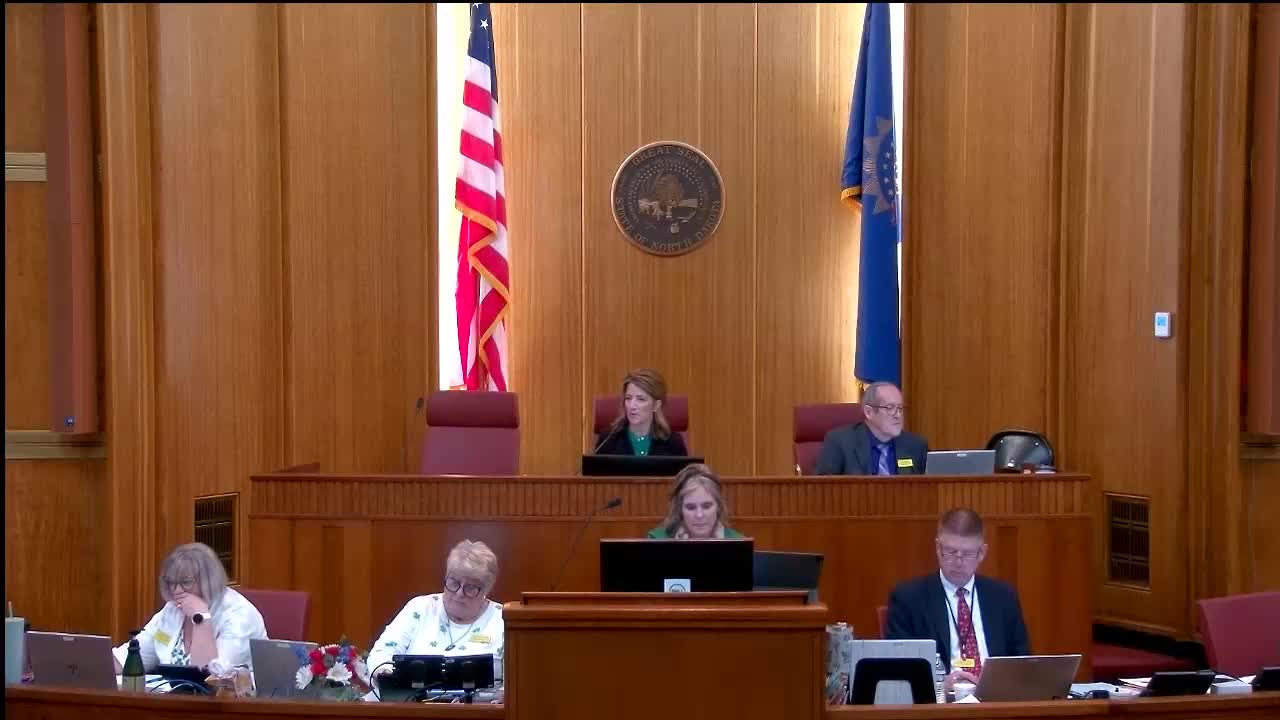
After hours of debate, the North Dakota Senate approved Senate Concurrent Resolution 4008, which modifies the 2022 legislative term‑limits amendment, and rejected Senate Concurrent Resolution 4028, a broader measure that would have applied limits to additional statewide offices.
The North Dakota Senate approved Senate Concurrent Resolution 4008 on a 24‑23 roll call Monday after extended floor debate, while rejecting Senate Concurrent Resolution 4028 by a 19‑28 margin.
Supporters said the amendment in 4008 is a structural fix to the constitutional term‑limits measure voters approved in 2022. "This is a structural update while preserving the integrity of the intent of the measure that was passed by the voters back in 2022," said Senator Rohrs, the bill carrier, describing the measure on the floor.
Senator Dwyer, who carried an alternative version earlier in the day, urged colleagues to reject the committee amendment and adopt the original resolution that would have increased limits from two terms to three terms. "I would hope that we would resist the amendment," Dwyer said, arguing the original proposal was closer to voter intent.
The debate grew partisan and procedural. Senators raising constitutional and political objections urged caution about the Senate altering a voters' initiative. "The constitution specifically prohibits this body from changing the term limit... The authority to propose an amendment to this constitution to alter or repeal the term limitations established in section 1 of this article is reserved to initiative petition of the people," said Senator Grama.
Other senators argued the current measure creates unintended consequences for members who fill appointments or serve partial terms. "It fixes some real problems with the current term limits, and that's how it applies to appointments and redistricting," said a senator who described being appointed midterm and losing elected years as a result.
The approved resolution, S.C.R. 4008, as adopted by the Senate, changes the formulation of the 2022 term limits to count full, four‑year terms in a way supporters said better matches voter intent and includes an application date. The measure was amended earlier in the day; the committee amendment to S.C.R. 4008 passed 28 ayes to 19 nays on a verification vote before the final passage vote.
Senate Concurrent Resolution 4028, offered later, would have created a new constitutional article to impose limits for the governor, lieutenant governor, statewide elected officials and members of the Legislative Assembly, with varied term lengths for different offices (legislators at four full four‑year terms; many statewide offices at three terms). Its sponsor described the approach as a way to avoid the constitutional bar against the Legislature proposing changes to the existing Article 15. Opponents argued the proposal extended term limits beyond what voters authorized and raised legal and practical questions. The Senate rejected S.C.R. 4028 on final passage, 19 ayes to 28 nays.
What the votes mean: S.C.R. 4008 will move forward as the Senate approved it and will be placed on the ballot according to the state's constitutional amendment process; S.C.R. 4028 failed in the Senate and will not advance from this chamber.
Votes at a glance - Senate Concurrent Resolution 4008 (term limits structural amendment): amendment passed on verification vote 28‑19; final passage passed 24‑23. - Senate Concurrent Resolution 4028 (broader term limits including statewide offices): proposed amendment adopted earlier; final passage failed 19‑28.
Background: Voters approved an Article 15 term‑limits amendment in 2022. Senators on both sides described the current floor measures as attempts either to clarify application to midterm appointees and multi‑chamber service or to expand limits to other offices. Several senators urged using the citizen initiative process rather than legislative action for changes to the constitution.
The Senate floor record shows numerous senators spoke for and against both resolutions, raising concerns about voters' intent, the constitution's language reserving amendment authority to initiated petitions, and the operational effects on appointed legislators and redistricting years. The debate will continue to shape whether a referendum or citizen initiative becomes the route to any future change.