Get Full Government Meeting Transcripts, Videos, & Alerts Forever!
Get email alerts on the Healthcare Funding topic
No spam. Unsubscribe anytime.
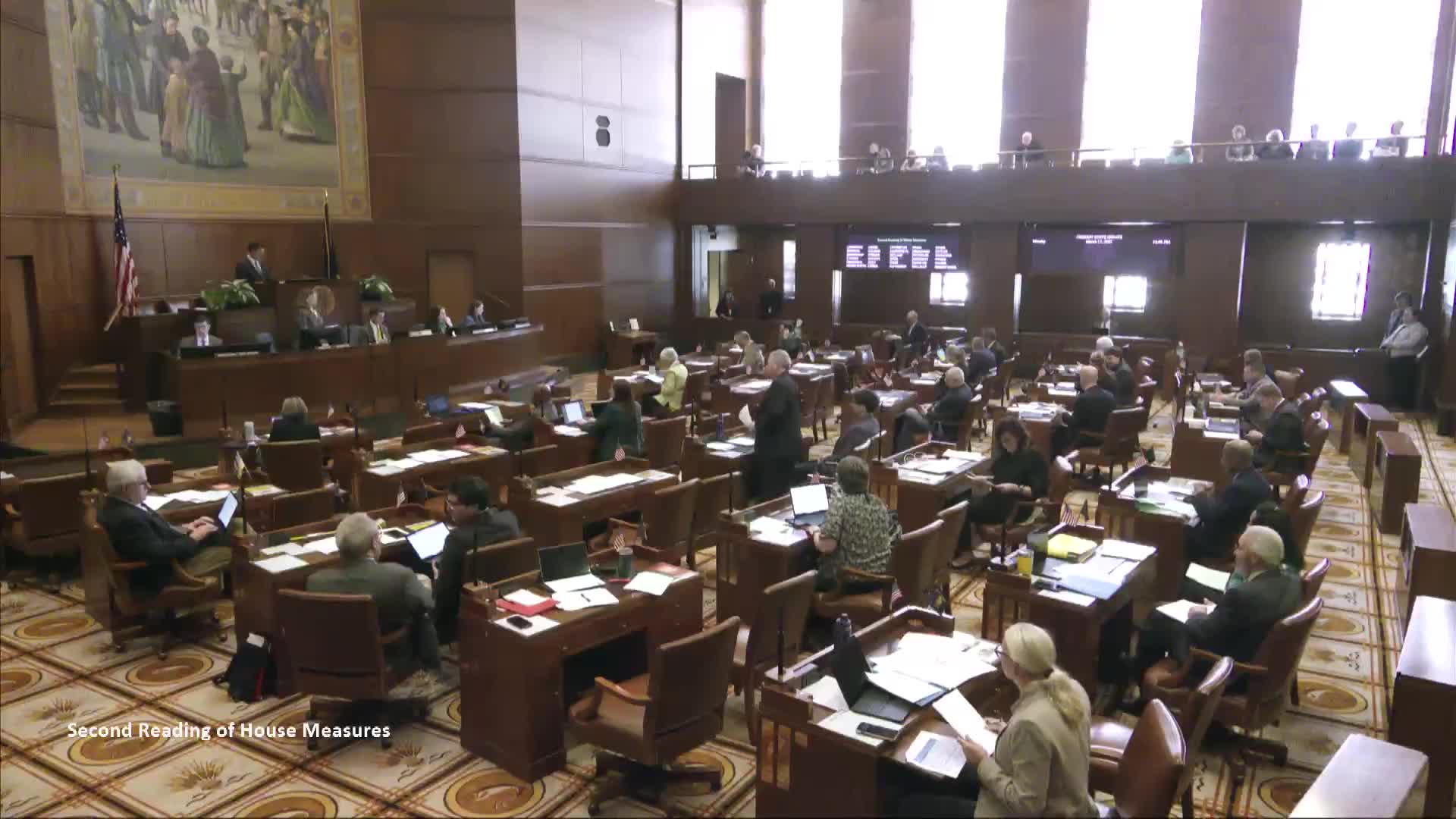
Senate passes HB 2010 to extend provider assessments that fund Oregon Health Plan amid concerns from some Republicans
Summary
The Oregon Senate voted to pass House Bill 2010 on March 17, extending and revising provider assessments and other funding mechanisms that support the Oregon Health Plan (OHP).
The Oregon Senate voted to pass House Bill 2010 on March 17, extending and revising provider assessments, reinsurance and intergovernmental transfer arrangements that help fund the Oregon Health Plan (OHP). The bill passed on third reading; the roll call recorded a constitutional majority and the clerk recorded 22 ayes.
Supporters said HB 2010 preserves billions in federal Medicaid funding and stabilizes hospitals and the insurance market. “Passage of . . . House Bill 2010 A will ensure that we avoid a $2,000,000,000 funding gap in the Oregon Health Plan,” Senator Fred Meek said on the floor, summarizing the bill’s purpose and stakes.
The bill keeps in place the hospital provider assessment, the insurance assessment (which helps fund reinsurance and market stabilization), and an intergovernmental transfer (IGT) agreement with Oregon Health & Science University (OHSU) that helps draw federal matching funds. Meek said the hospital assessment is expected to leverage billions in federal Medicaid dollars in upcoming biennia and described the combined revenue mechanisms as essential to maintaining coverage for about 1.4 million Oregonians.
Opponents and skeptical senators said the bill moves quickly and shifts costs to small employers, school districts and consumers. Senator Bill Bonham, who spoke against the measure, said the “devil is in the details” and urged protections for entities that receive little direct benefit from the assessments. He and others asked for follow-up work to “hold some people harmless” — in particular, small-group insurance pools and certain school-district plans — and raised questions about several revenue estimates used in drafting the measure.
Senator Tim Robinson also urged a broader look at the state’s health-care system. “The system has become . . . ridiculously complicated,” Robinson said, describing how patients face uncertainty about costs and coverage when seeking care.
Supporters on the floor, including Senator Starr, said the Senate provided an opportunity to vet a House measure and pledged to continue negotiations on technical fixes. Meek and others said the bill reflects widely used tools — provider assessments and reinsurance — that other states employ to leverage federal funds and stabilize markets.
The final roll call on March 17 recorded the bill as having received the required constitutional majority and declared House Bill 2010 passed. The transcript listed several senators as excused or recorded as voting no during the roll call; the clerk’s roll-call printout in the chamber remains the formal record of individual votes.
Looking ahead, supporters said they expect more work in committee to refine who is assessed and how revenues are allocated; opponents asked that the finance committee revisit carve-outs and revenue assumptions. The Senate carried the remaining house measures over to the following calendar day for additional action.