Get Full Government Meeting Transcripts, Videos, & Alerts Forever!
Get email alerts on the Pet Animal Welfare Trust topic
No spam. Unsubscribe anytime.
Proposal for statewide Pet Animal Welfare (PAW) trust draws bipartisan testimony and community support
Summary
Supporters of House Bill 3871 told a House committee on March 17 that a new Pet Animal Welfare (PAW) trust could expand access to spay/neuter and basic veterinary services without relying on ongoing general-fund support.
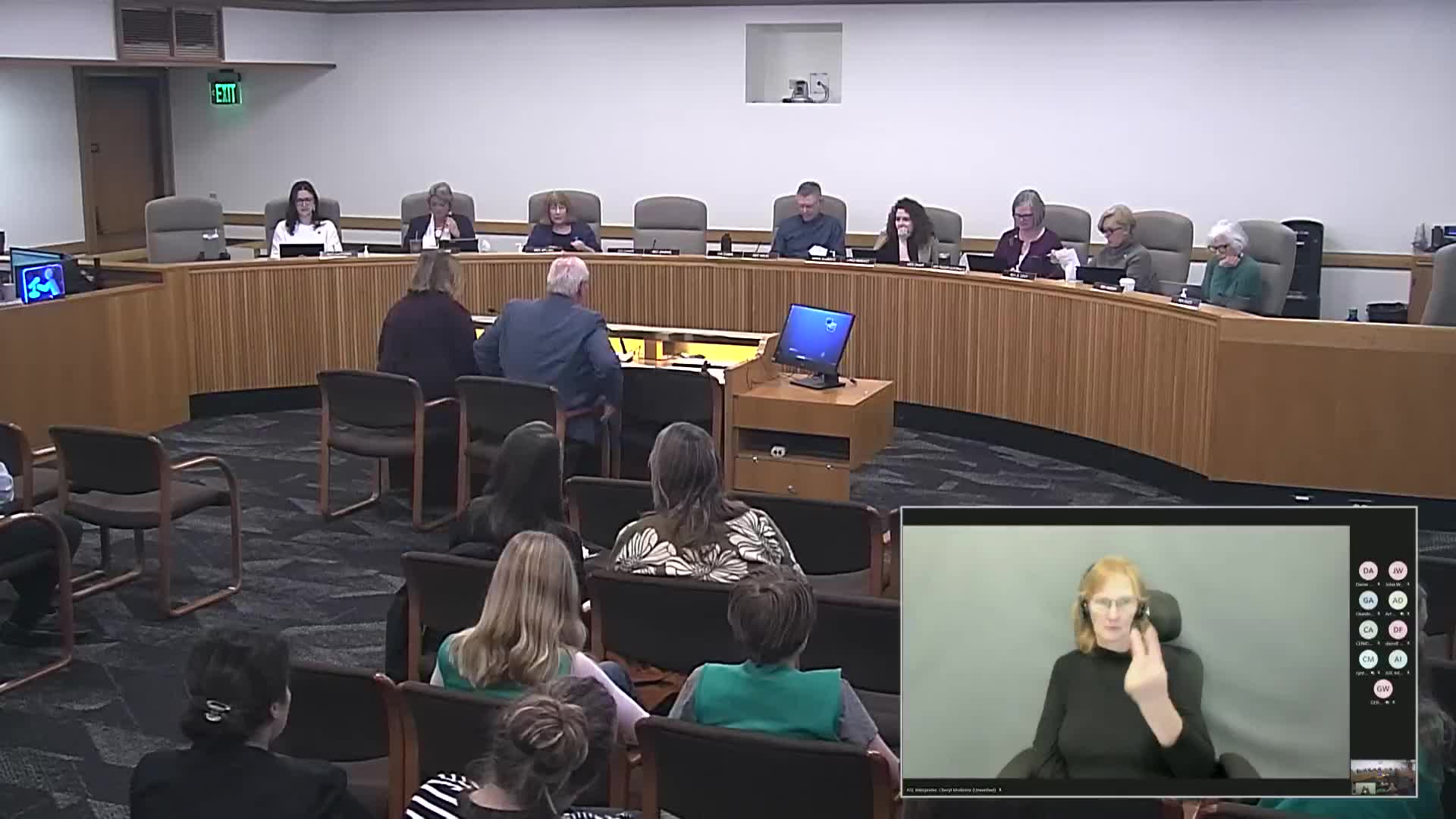
Lawmakers on March 17 heard from supporters of House Bill 3871, which would establish a Pet Animal Welfare (PAW) trust to expand low-cost and free veterinary services and reduce shelter intake through prevention and spay/neuter services.
Representative David Gomberg described the issue as an “epidemic” of unsterilized and feral cat colonies and higher veterinary costs that drive owners to relinquish pets. He said the trust is intended not to rely on ongoing general-fund support but to mirror other Oregon trust models by raising foundation gifts and, potentially, revenue from a specialty license plate.
Michelle Blake, executive director of Fences for Fido, testified on behalf of a coalition of 40 organizations that provide free or low-cost services and estimated the coalition serves more than 10,000 pets annually. Blake gave examples of cases where lack of affordable care led to overburdened households and shelters and said the trust would remove access barriers, support spay/neuter and wellness care, and reduce shelter population pressures.
Committee members asked practical questions about governance and funding. Representative Marsh and others asked why proponents sought a state-sanctioned trust rather than a private nonprofit; Gomberg said the statutory trust model provides credibility and an established pathway (pointing to examples such as the Oregon Cultural Trust and Oregon Ocean Science Trust). Committee members also asked how a license plate would be advanced; staff clarified that, following recent administrative changes, a license plate requires a threshold number of pre-commitments from purchasers rather than separate legislation.
Children from a Girl Scout troop (Emily Terrell, Agnes Beckner, Talia Haynes, Lorelei May Carter) provided brief testimony in support; they also asked operational questions (age requirements for board seats, types of animals covered, scope of services). Gomberg’s office offered to provide answers after the hearing. The bill’s package includes a department-administered 1 FTE to support the trust (Department of Agriculture), though proponents said they expect most funding to come from non-general-fund sources. The committee closed the public hearing; no committee vote occurred at the session.