Get Full Government Meeting Transcripts, Videos, & Alerts Forever!
Get email alerts on the Ocean Science Trust topic
No spam. Unsubscribe anytime.
Lawmakers hear pitch for $3 million to expand Oregon Ocean Science Trust research
Summary
Supporters told the House committee that a $3 million appropriation in House Bill 3786 would fund coastal and ocean research (acidification, hypoxia, erosion, nearshore data) and help coastal economies; testimony emphasized the trust's role and coordination with West Coast partners.
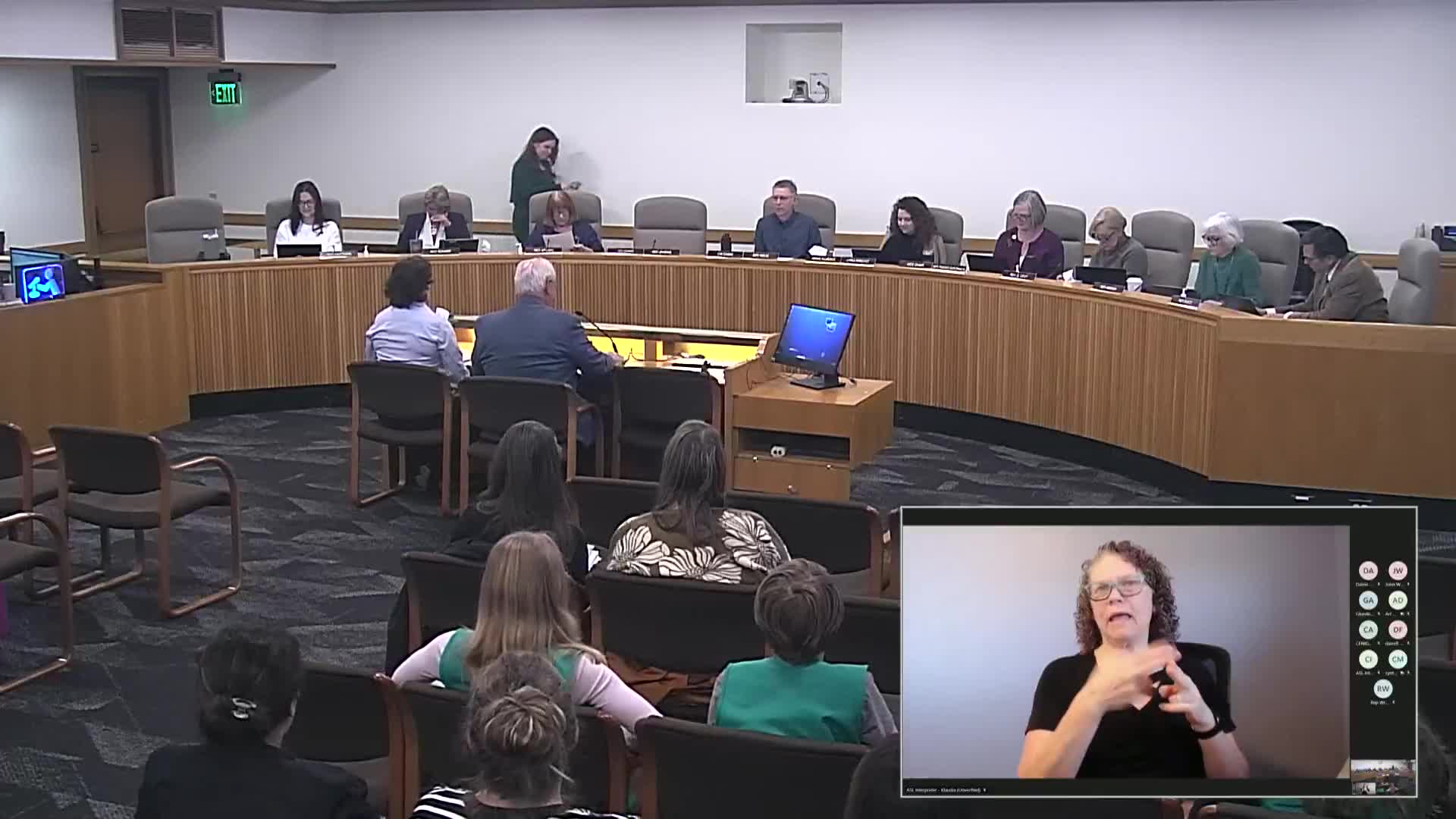
Supporters of House Bill 3786, the so-called Blue Economy Bill, urged the House Agriculture, Land Use, Natural Resources, and Water Committee on March 17 to advance $3,000,000 for ocean and coastal research through the Oregon Ocean Science Trust.
Representative David Gomberg, who introduced the bill, said Oregon’s ocean economy is large and linked to fishing, tourism and recreation; he argued that additional state support would help fill gaps as federal funding becomes uncertain. “The gross domestic product from Oregon’s ocean is estimated at a whopping $2,500,000,000,” Gomberg said, and he described the Ocean Science Trust’s past work in acidification and hypoxia research and its role convening experts.
Lisa Debraker, presenting for the trust, summarized the trust’s mission — established by the Legislature in 2013 — to raise and disperse funds for applied ocean science and to make results public. She said the trust has funded 14 multi-year research projects addressing ocean acidification, hypoxia, nearshore processes and marine reserve assessments. Debraker described proposed uses for the bill’s $3,000,000: (1) research into risks and vulnerabilities from changing ocean conditions, (2) sandy-beach and dune-ecosystem research to address coastal erosion, and (3) nearshore data collection to understand effects on species and ecosystems.
OSU representatives including Katie Fast and Tuba Ascan Haller (dean, College of Earth, Ocean, and Atmospheric Sciences) testified that the trust’s work supports fisheries, safety, and coastal infrastructure planning. Haller said research funded through the trust helps forecast low-pH/low-oxygen events and informs commercial stock assessments. The trust and OSU representatives said they will continue to work with Ways and Means on the final funding amount and details.
What was not decided: The hearing was a public hearing; the committee did not vote on HB 3786 at this session. Testifiers and committee members requested follow-up materials, including the trust’s funding history since 2013 and details of non-state funding sources. Debraker said the trust pursues a three-legged funding approach (federal, state, philanthropic) and is participating in a West Coast Ocean Science Agenda with California and Washington.