Get Full Government Meeting Transcripts, Videos, & Alerts Forever!
Get email alerts on the Online‑harms‑deepfakes topic
No spam. Unsubscribe anytime.
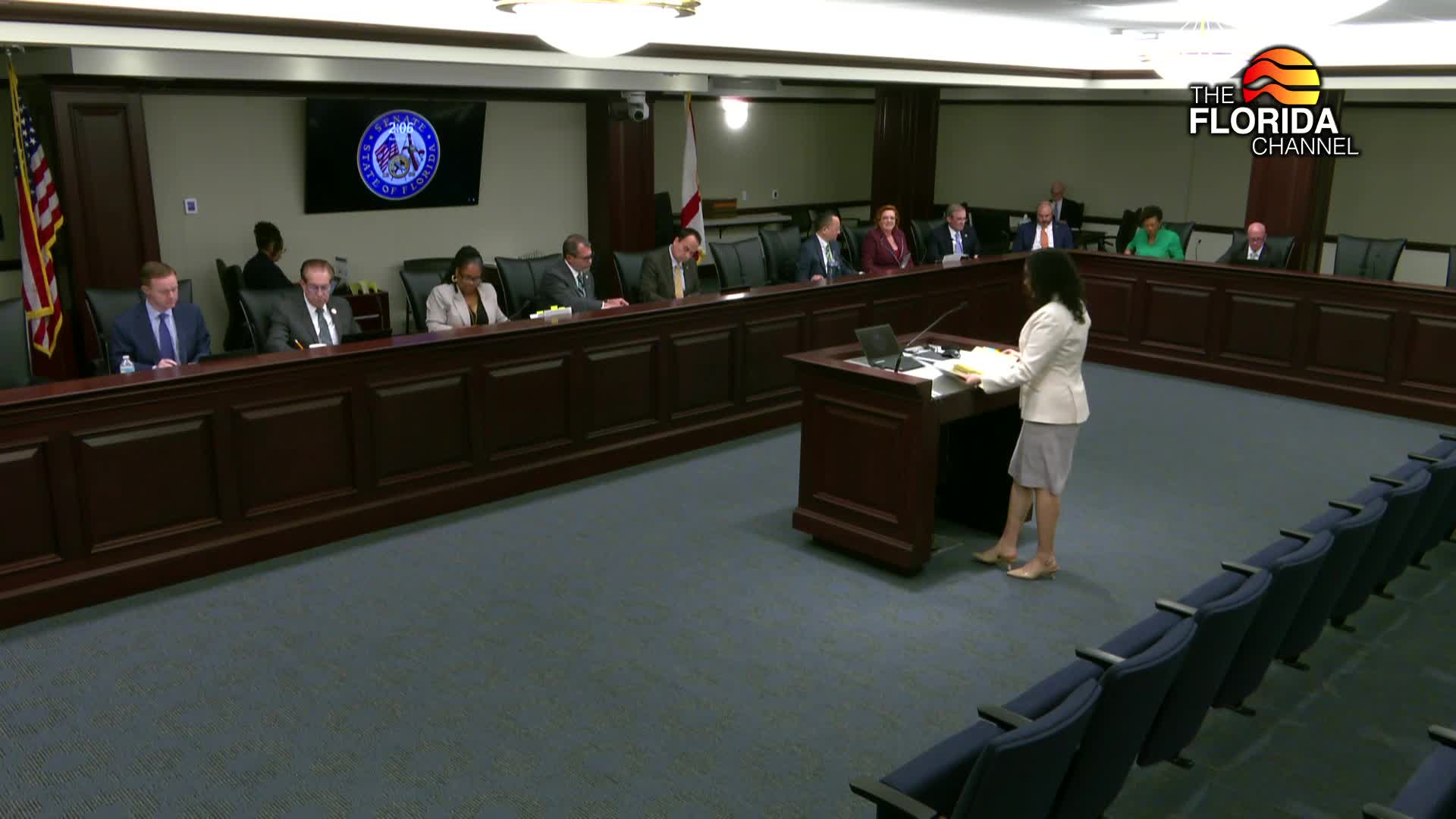
Committee approves bill requiring platforms to remove nonconsensual AI‑altered explicit content within 48 hours
Summary
SB 1400 would require covered internet platforms to implement a removal process and take down nonconsensual altered intimate images (deepfakes) within 48 hours of a valid request; the committee adopted an amendment to clarify federal provider definitions and reported the bill favorably amid questions about enforcement and duplicate uploads.
Senator Collado’s SB 1400, aimed at creating a process for the removal of nonconsensual altered intimate imagery (often called “deepfakes”), advanced from the Senate Committee on Commerce and Tourism after the panel adopted an amendment that carves out internet service providers under the federal definition.
Sponsor’s summary: The sponsor said deepfakes are overwhelmingly pornographic and disproportionately feature women; the bill would require covered platforms to provide a clear removal process, respond to a valid takedown request within 48 hours and make reasonable efforts to remove other copies on the same platform. Failure to remove a validly flagged item could expose a platform to remedies under the Florida Unfair Trade Practices Act unless it made a good‑faith effort to comply.
Amendment and legal carve‑out: Amendment barcode 167756 replaced a line with the federal definition of providers of information or telecommunications services (47 U.S.C. § 153), which the sponsor said would carve out internet service providers from liability under the bill when content is provided by another person.
Questions raised on implementation: Senators asked how the bill would address near‑duplicates or slightly altered reuploads (“whack‑a‑mole”), what constitutes “reasonable efforts” to find duplicates, and whether the 48‑hour timeline is sufficient or should be tightened. The sponsor said the bill requires platforms to remove the identified URL and to make reasonable efforts to clear other versions, but acknowledged the statutory line between slightly different images may need refinement and said she would follow up.
Stakeholders and debate: Appearance forms included representatives of victim‑advocacy and industry groups (Florida Smart Justice Alliance, Florida Internet and Television Association). Senators praised the bill as addressing an urgent problem; Senator Smith specifically applauded the 48‑hour window and urged further engagement with survivor advocates about whether victims should have to reveal identifying information to obtain takedowns.
Committee action: The committee adopted the amendment and then reported SB 1400 favorably.
Ending: The sponsor and several senators urged continued engagement with victim advocates as implementation details are refined.