Get Full Government Meeting Transcripts, Videos, & Alerts Forever!
Get email alerts on the Parks And Nature Grants topic
No spam. Unsubscribe anytime.
Metro outlines participatory Nature Neighborhoods grants, invites Oregon City to join pilot
Summary
Metro staff described a community-led grant process that would let residents in Metro District 2 (east of the Willamette) propose and vote on parks and nature projects; Oregon City commissioners heard the participatory timeline and outreach plan and asked staff to consider participation.
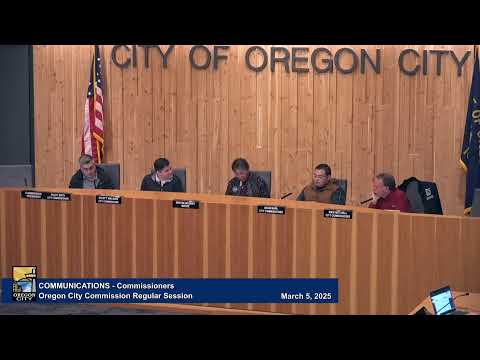
Metro officials presented the Nature Neighborhoods Community Choice Grants program to the Oregon City Commission on March 5, describing a participatory, district-level process that asks residents to propose, design and vote on small-to-midsize parks and habitat projects funded by Metro’s Parks and Nature bond.
Krista Gardner, Nature Neighborhoods capital grants manager for Metro, said the program centers community input: “At the core of the Nature Neighborhoods Community Choice Grants is community,” and the program uses an ad-hoc review committee and community design workshops to develop and vet proposals before a public vote.
Metro Councilor Christine Lewis (District 2) joined the presentation by video and said voter-approved bond funds and nearly three decades of regional investments make the pilot possible and that the grants aim to expand access to nature for communities that have been excluded from past investments. "When our communities are given the opportunity to shape priorities in their own backyards, good things happen," Lewis said.
How the program works
Metro staff said the pilot will focus on Metro District 2 east of the Willamette River (including Oregon City, Gladstone, Johnson City, Milwaukee and parts of unincorporated Clackamas County). The program phases include idea collection in spring 2025, feasibility review in summer 2025, two phases of community-enhanced project development in late 2025–early 2026, and a community vote with Metro Council awards by mid-2026.
Metro staff said the maximum grant per project is $250,000; funds cover projects that meet the Parks and Nature bond goals (habitat protection, water quality, community access to nature) and pass feasibility review by jurisdictional partners. Krista Gardner said the first pilot in Washington County produced 18 idea submissions, nearly 1,200 verified votes in the community-focused round, and ultimately $2.3 million in awards to 15 projects after Metro Council approvals.
Participation and next steps
Metro staff described a partner coordination team that will include North Clackamas Parks & Recreation District and Clackamas County agencies to help adapt the process locally. Staff also said they have budgeted outreach and project-development support to hire consultants to run the participatory workshops.
Commissioners asked procedural questions about timing and jurisdictional roles; Aquila Herdravich and James Graham from Oregon City staff said the commission will receive future requests if the city decides to formally join the District 2 pilot. Metro staff said project development workshops are expected in winter 2026 and that the community vote would first be limited to the project area, with the option of a metro-wide round in a later phase.
Why it matters
The program is designed to increase community voice in how bond funds are spent at a neighborhood scale, and to pilot participatory budgeting techniques for parks and nature projects. For cities, the process creates an opportunity to coordinate local park plans, identify feasible project sites and engage residents in project design before a formal grant award and intergovernmental agreement with Metro.
Oregon City staff will return with next steps if the commission chooses to participate in the District 2 pilot. Metro’s Nature Neighborhoods guidebook and past pilot results are available on Metro’s website for jurisdictions and community groups to review before committing to the schedule.