Get Full Government Meeting Transcripts, Videos, & Alerts Forever!
Get email alerts on the Economic Development topic
No spam. Unsubscribe anytime.
Study recommends zoning and funding steps to attract jobs to Thimble Creek employment area
Summary
Consultants told commissioners that infrastructure costs, parcel fragmentation and power‑line easements limit development in the Thimble Creek campus industrial area; recommended actions include code adjustments, stronger college partnership and exploration of large funding tools such as urban renewal.
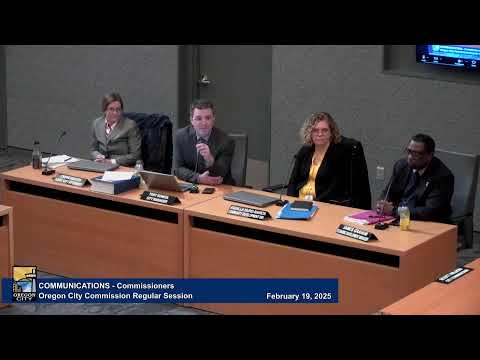
Consultants presented a market assessment and site‑readiness study for the Thimble Creek concept plan area and asked the City Commission to appoint two commissioners to work with staff on next steps.
Johnson Economics and HHPR consultant teams told commissioners that the North Employment Campus portion of Thimble Creek is underperforming because of high costs to extend public infrastructure, parcel fragmentation (about 60 tax lots and 42 owners in the employment area), and limiting power‑line easements that prevent built space in large swaths of the site. "The area was planned for up to 5,000, new jobs," the consultants said while describing the concept plan's original vision.
Why it matters: the concept plan aims to create a mixed, sustainable community with employment land that provides higher‑wage jobs and helps balance the city's fiscal health. The consultants said ready‑to‑build employment land helps improve local job access and the city’s tax base.
Recommendations: the consultants proposed a range of actions: adjust development code standards to allow more multi‑tenant flex and outdoor storage (including increasing outdoor storage from 25% to 50% on some sites and relaxing certain buffer requirements), review sustainability standards for feasibility, and make targeted infrastructure investments or incentives. They flagged that local improvement districts are unlikely to cover the scale of infrastructure needed and recommended exploring urban renewal (tax increment financing) or large bond measures to underwrite major roads and utility extensions. The report also emphasized partnering more closely with Clackamas Community College, which owns assembled parcels near the area and could support workforce training, incubation and research partnerships.
Commission response and next steps: staff asked the commission to appoint two commissioners to serve as champions, coordinate with property owners and partners, and work on funding strategies. Commission President Rocky Smith said the mayor volunteered to serve and commissioners indicated interest in participating; staff suggested formalizing appointments at a meeting when the mayor is present. Staff also requested that the commission adopt a resolution in spring 2025 to accept the Thimble Creek Industrial Land Readiness Strategic Plan and to satisfy Metro grant requirements.
Ending: consultants and staff said the next steps include targeted code changes, outreach to institutional landowners (including Clackamas Community College), and evaluating potential infrastructure funding mechanisms.