Get Full Government Meeting Transcripts, Videos, & Alerts Forever!
Get email alerts on the Education Assessment topic
No spam. Unsubscribe anytime.
Virginia Board of Education approves higher SOL cut scores, sets phased implementation and division-level impact review
Summary
After months of public comment and debate, the Virginia Board of Education voted to approve the superintendent’s recommended increases to Standards of Learning (SOL) proficiency cut scores, adopting a multi‑year phased approach and pledging additional supports and division-level impact reviews before final implementation.
The Virginia Board of Education voted to approve the superintendent’s recommended increases to proficiency cut scores on the Standards of Learning (SOL) exams for reading and mathematics, and directed staff to complete a phased implementation plan and division-level impact reviews before final policy action in October.
Board members said the change is intended to align Virginia’s expectations with national benchmarks and to make the state’s diploma more meaningful for college, career and military readiness. Superintendent Pamela Gullickson and deputy superintendent Booker Dwyer described a series of supports the Department of Education will provide during the transition, and the board set a minimum four‑year phased timeline for full implementation.
Why it matters: Board members and many public speakers said Virginia’s current cut scores produce inflated pass rates that do not reflect readiness. Proponents argued higher cut scores will give families clearer information about student preparedness and better align Virginia with other states. Opponents and some school leaders urged caution, asking for transparent impact modeling and time for principals and divisions to plan.
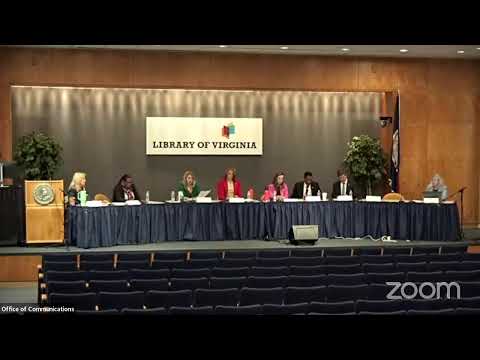
Board discussion and staff response Board members and dozens of public commenters spent nearly three hours on the topic during the meeting’s public comment and action segments. Speakers representing superintendents, the State Council of Higher Education for Virginia, industry groups, principals, teachers and parent organizations either urged the board to raise expectations or requested more time, clearer data and additional supports.
Deputy Superintendent Booker Dwyer told the board the Department would expand supports, including regional math and literacy networks and a proposed flexible funding structure. Dwyer said the department plans to remove a nine‑month cap on certain grants, extend spending timelines, and make approximately $35,000,000 available to support literacy and math implementation and regional supports. She said staff will visit divisions in October and provide division‑by‑division impact data before finalizing the phased plan.
Assessment and graduation clarifications Chief accountability officer Jennings (spoke during the meeting) told the board that graduation pathways and verified credits afford multiple routes to graduate. He said, as the department presented earlier, the graduating class of 2026 will use the current proficiency cut score (a score of 400) so the change will not retroactively affect students who are close to finishing this year. Board members repeated that point during discussion to reassure families and local officials.
Concerns from local leaders and advocates Public speakers asked the board for transparent, division‑level modeling of how the new cut scores will affect pass rates, accountability classifications and budget streams tied to performance. Several speakers representing principals, superintendents and the Virginia School Boards Association requested that divisions be shown their impact data before public release; staff said the department will comply and set an October 7 public release date for some accountability data so divisions can see their numbers first.
Special education and equity questions also featured prominently in public comment. Multiple speakers representing families of students with disabilities asked the board to ensure accommodations, verified credit pathways and supports remain robust and to avoid lowering expectations or excluding students from opportunities. Board members and staff repeatedly said accommodations and alternate pathways remain available and that the implementation plan must include supports targeted to historically disadvantaged groups.
Phased timeline and next steps The board approved a motion to adopt the superintendent’s recommended cut scores and directed staff to return in October with a final implementation plan that includes: a multiyear phased approach (no less than four years), division‑by‑division impact modeling, a schedule for public release of accountability data, and details on supports (funding, regional networks, principal supports). Board members emphasized that the department will continue stakeholder engagement during the October roadshow and that the intent is to pair higher expectations with resources to help divisions meet them.
The vote and outcome A motion to approve the superintendent’s recommended SOL cut scores was moved and seconded. The roll call recorded unanimous “Aye” votes from members present and the chair; the motion carried.
What the decision does not do Staff and board members clarified the action does not change graduation requirements for the class of 2026 and does not immediately change local verified‑credit practices; those operational details will be part of the October implementation materials. The board also did not adopt a single fixed timeline beyond the minimum four‑year floor and directed staff to return with proposed phasing options for final adoption.
Context and background The board has been reviewing revised SOL tests aligned to updated academic standards (math standards revised 2023, English 2024). Board members and staff said the current cut scores measured proficiency against older benchmarks and needed realignment to reflect the more rigorous tests. The issue drew hundreds of written comments and dozens of public commenters at the meeting, with strong opinions on both sides.
Forward look Staff will visit school divisions through October to present division‑level modeling and finalize the phased implementation plan for board action in October. The department cited planned funding streams and regional supports as part of its implementation package; specifics will be included with the October presentation.
Sources: Virginia Board of Education meeting transcript and presentations; on‑record public comments and staff remarks at the meeting.