Get Full Government Meeting Transcripts, Videos, & Alerts Forever!
Get email alerts on the Urban Farm Ingram Park topic
No spam. Unsubscribe anytime.
Evanston residents and Evanston Grows press council for clear path to Ingram Park urban farm
Summary
Evanston Grows and more than 150 supporters urged the City Council to approve a one-acre urban farm at Ingram Park and asked for clear procedural criteria after two years of site searches and outreach. Speakers said delays cost the city thousands of pounds of produce and that city guidance on neighborhood consultation and timelines is needed.
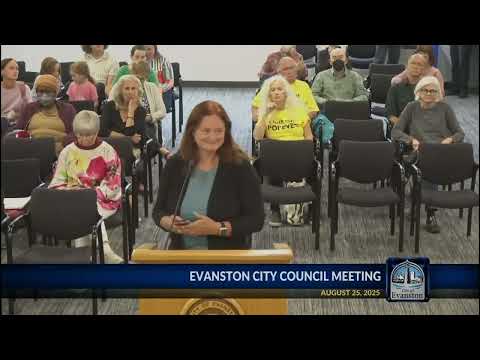
Evanston Grows and neighborhood supporters asked the Evanston City Council on Aug. 25 to approve a one‑acre urban farm at Ingram Park and to provide a clear process and timeline so the project can move forward. Laurel Sims, executive director of Evanston Grows, told the council, “Each year this project is delayed, means over 20,000 pounds of food, of fresh produce is not reaching families in need.”
Why it matters: Participatory budgeting in 2023 included the urban farm among top vote-getters, and advocates said the city’s delay risks losing funds and a full growing season. Jean Fies, who has worked with Evanston Grows’ outreach, said the funding for the project “expire[s] next year” and called for “quick action in approving the Ingram site or identifying an alternative viable site.”
Supporters said the farm would produce thousands of pounds of local produce for free farm stands and pantries, provide youth and adult programming, and add pollinator habitat. Judith Campbell, who lives across from an existing Ward Farm, said an on‑site farm offers “educational experiences” and “a community where those who have plenty are helping those in need.”
Opposition and unanswered questions: Several speakers and nearby residents said they want more clarity on how the neighborhood will be consulted and who would be eligible to vote on use of space in a community park. Ian Tenderholtz, a neighborhood resident, described significant local opposition to using a central tree‑lined portion of the field at Ingram Park and urged the council to “get it right” rather than rush placement. Advocates responded that the proposal would use roughly one acre for production and retain about two acres for other park activities.
What council was asked to do: Speakers asked the council to define the procedural thresholds—how much neighborhood support is “sufficient,” what perimeter constitutes the relevant neighborhood, and whether a formal vote by nearby residents is possible. Evanston Grows representatives said they had held multiple community meetings and collected a petition with more than 150 signatures supporting Ingram Park.
Next steps: The council did not take formal action on the farm during the Aug. 25 meeting. Multiple council members later said they want staff and stakeholders to reach agreement quickly; the city manager and council asked for clearer written parameters that could be presented at future meetings.