Lifetime Citizen Portal Access — AI Briefings, Alerts & Unlimited Follows
Former NASA administrator warns Starship-centered lunar lander architecture poses timing and technical risks
Loading...
Summary
Jim Bridenstine told the Senate committee that current Artemis architecture depends on unproven, high-risk elements — most notably multiple in-space refueling cycles for SpaceX Starship — and that those dependencies could prevent the United States from being first to return astronauts to the lunar surface.
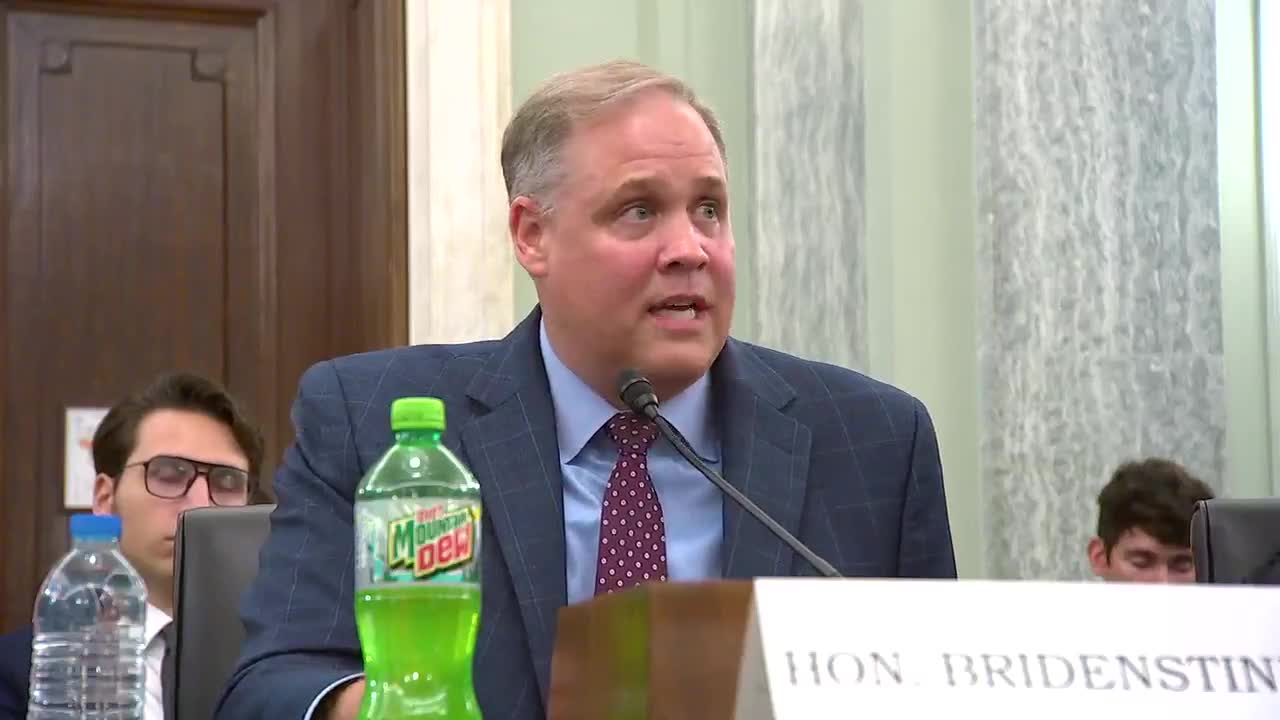
Former NASA Administrator Jim Bridenstine told the Senate Commerce Committee the current human lunar-landing architecture relies on unproven and risky elements that could jeopardize a U.S. return to the lunar surface. Bridenstine described a sequence that depends on launching and refueling a Starship multiple times in orbit to create a fueling depot and then fueling a human-rated Starship for a lunar landing. "By the way, that whole in space refueling thing has never been tested either," he said, and noted the propellants involved — cryogenic liquid oxygen and cryogenic liquid methane — have not been transferred in space in that manner at scale.
Bridenstine outlined the broader mission sequence: the Starship fueling depot in orbit, dozens of additional launches to refuel that depot, a human-rated Starship fueled in orbit, and synchronized launches of SLS and Orion so crew can rendezvous during a narrow window. He told senators this architecture creates multiple single-point failures and operational risks, including uncertainty about how long a fueled Starship can remain in lunar orbit given propellant boil-off, and that astronauts would be on the lunar surface for roughly seven days "without any way home" in the current plan.
Why it matters: Bridenstine framed his remarks as a caution that this architecture — which mixes government systems (SLS and Orion) with a single commercial lunar transportation approach (Starship refueling and landing) — increases schedule and technical risk. He recommended continued use of available, proven elements while ensuring redundancy in lander capability.
The committee followed up with questions about the role of commercial providers, the need for redundancy and the relative strengths of SLS/Orion versus new commercial landers. Bridenstine stressed that the SLS and Orion are "in good shape" but that lacking a completed, tested human-rated lander differentiates this era from earlier lunar programs where mission-critical elements were procured and tested under more centralized government architectures.