Get Full Government Meeting Transcripts, Videos, & Alerts Forever!
Get email alerts on the Historic Preservation topic
No spam. Unsubscribe anytime.
Owner describes decade-long restoration of Elijah Muhammad House, cites awards and National Register listing
Summary
Wendy Muhammad, executive director of the Coalition of Black House Museums, outlined preservation work at the Elijah Muhammad House in Kenwood, described technical restoration steps, cited community archives found onsite and recounted an ordinance fight that threatened house museums before the measure was withdrawn.
Wendy Muhammad, executive director of the Coalition of Black House Museums, told the Preservation Commission about the restoration of the Elijah Muhammad House at 4847 South Woodlawn Avenue and said the project won the City of Chicago Department of Planning and Development Preservation Excellence Award and is now listed on the National Register of Historic Places. "This house is the single most important piece of property in modern day black history," Muhammad said, describing the home’s role as a meeting place for civil-rights-era leaders.
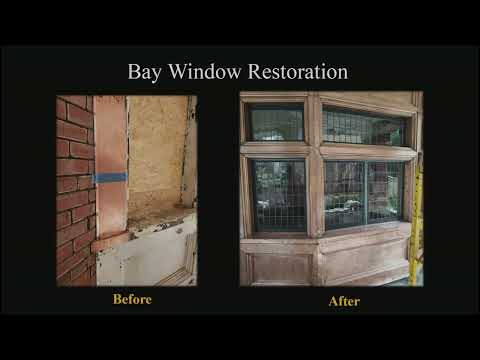
Muhammad summarized work on the more-than-100-year-old house, including repointing century-old brick after mortar testing, repairing and preserving woodwork and four different interior wood types, restoring plaster, replacing a slate roof with a lightweight replica where needed, repairing copper elements and installing new electrical and sewer infrastructure. "We didn't just gut it," she said, noting that contractors had urged full replacement but her team pursued preservation and sustainability approaches such as repurposing removed copper into commemorative coins.
Muhammad described archival materials found during the project, including letters, recordings and meeting transcripts tied to civil-rights figures; she said the team is still seeking transcripts of meetings with Martin Luther King Jr. from federal records. She also explained the house’s architectural significance, noting it was designed by Frost and Granger and blends Chicago Square, Italian Renaissance, vernacular and Arts and Crafts elements.
Muhammad recounted a legal threat she said would have barred new house museums in Chicago, saying an ordinance proposal was introduced and later withdrawn after pushback. "I got a call from Mayor Lori Lightfoot, and she said, 'Don't worry. I'm throwing cold water on this s—t. I got you,'" she said, adding that the ordinance was withdrawn and that the fight had required hiring consultants and lawyers before she and others successfully opposed it.
Muhammad described broader work: she said she serves as an owners’ representative and consultant assisting other Black house museums, citing Muddy Waters House, Emmett Till House, the Pullman Porter Museum and the Great Plains Black Museum in Omaha. "Most of the work that I've been doing in the space is being an owner's rep," she said, explaining contractors sometimes overcharge grant-funded projects and owners risk incomplete work.
The presentation included before-and-after photos of the house, details about the coach house conversion for meeting and research space, and the use of technology—3D imaging and interactive exhibits—for rotating interpretive experiences. Muhammad closed by inviting the commission and the public to use the research collections once onsite facilities open.
The commission did not take formal action on the presentation; the item was informational and concluded with brief public questions about relationships to other house museums.