Get Full Government Meeting Transcripts, Videos, & Alerts Forever!
Get email alerts on the Board Governance And Policy topic
No spam. Unsubscribe anytime.
Board reports meeting with mayor on ordinance changes, eyes role as a policy sounding board
Summary
Board leadership met with Mayor Williams to discuss possible ordinance changes and an expanded advisory role, including acting as an early community sounding board for proposed police policy changes. Board members said the administration appeared supportive but changes will require ordinance revision and formal processes.
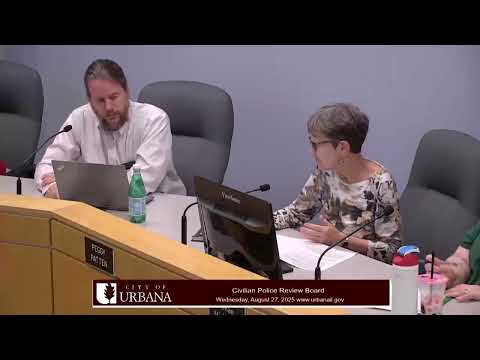
Board leadership told members on Aug. 27 that a recent meeting with Mayor Williams covered a number of potential ordinance and process changes intended to strengthen the Civilian Police Review Board's policy role and its capacity to advise on police policy revisions. Members said the mayor expressed support for changes but implementing them will require ordinance amendments and administrative follow-through.
The chair reported the board had compiled a list of items discussed and shared it with the mayor. Board staff said the administration appeared receptive to using the board “as kind of the sounding board for, you know, policy level changes” so the public could comment earlier in the process and city council could consider that input.
Board members discussed coordination with a separate alternative-response task force the city has authorized. Members sought an update on the status of the consultant and task‑force work; board staff said she would follow up with a definitive status and report back by email. "I will follow-up to get a definitive answer for you," board staff member Carla Boyd said at the meeting.
No ordinance amendments were adopted at the Aug. 27 meeting; the discussion was reported as an administrative update and a direction to pursue follow-up information and potential ordinance drafting. Members emphasized that any substantive changes would need to be processed through formal ordinance change procedures and, as discussed, could be informed by coordinated work with the city's alternative-response task force.