Get Full Government Meeting Transcripts, Videos, & Alerts Forever!
Get email alerts on the Emergency Operations Auxiliary Appointments topic
No spam. Unsubscribe anytime.
Commissioners explain auxiliary appointments after tornado response; say measure was an emergency technical fix
Summary
Commissioners said they appointed unpaid auxiliary officers under a state provision so county commissioners could use emergency vehicles and document storm damage after a tornado; they emphasized the appointments carried no arrest powers and were limited to declared emergencies.
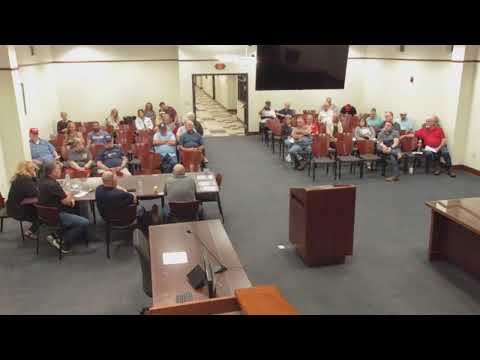
Franklin County commissioners explained at a public meeting why they briefly appointed auxiliary, unpaid officers after a tornado: the appointments, they said, were a limited technical step to allow commissioners to use emergency vehicles to survey damage, document locations and submit a separate FEMA claim rather than rely solely on a state‑led package.
Why it matters: The appointments drew public scrutiny on social media; commissioners said the action was narrowly intended to allow county officials to pass roadblock restrictions during an emergency and gather damage documentation that ultimately helped secure FEMA assistance for county losses.
Commissioners described the operational context: after a tornado, state and local law‑enforcement roadblocks limited access to damaged areas. The sheriff provided a spare emergency vehicle to commissioners for damage assessment, but commissioners said statutory language limited certain non‑officer uses of emergency vehicles. Commissioners said they reviewed state statutes and found language that authorizes county commissions to appoint auxiliary emergency personnel on a volunteer basis during emergencies, provided those appointees are unpaid and do not exercise arrests or full police powers.
Commissioners said the county documented hundreds of photos and locations, filed its own FEMA claim, and that the county’s documentation aided in obtaining FEMA approval that the broader state package did not receive. The commissioners emphasized the appointments were for emergency access only, were voluntary, and were not a step to exercise ordinary law‑enforcement powers.
Ending: Commissioners said they will improve proactive communication about emergency steps like the auxiliary appointments in the future so the public understands the limited legal authority and emergency purposes of such measures.