Get Full Government Meeting Transcripts, Videos, & Alerts Forever!
Get email alerts on the Local Use Tax Ballot topic
No spam. Unsubscribe anytime.
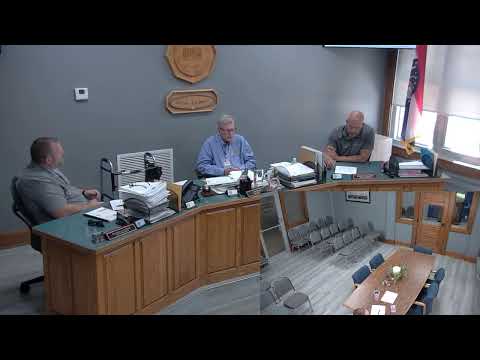
Christian County commissioners place 1.5% local use tax on November ballot
Summary
The Christian County Commission voted to place a 1.5% local use tax on the Nov. 4 ballot, saying the measure would raise revenue for roads, law enforcement and other county services amid flat sales-tax receipts and population growth.
Christian County commissioners voted to place a 1.5% local use tax on the Nov. 4 ballot, saying the optional tax would help fund roads, law enforcement and other county services as the county grows.
Commissioner Tony Williams, who introduced the proposal, said he worked with county attorneys to draft ballot language for a 1.5% use tax. “I worked with the attorneys in getting ballot language to... propose the use tax for the county of a 1.5%,” Williams said.
The measure would apply to purchases made from out-of-state vendors that currently avoid local sales taxes, Williams said. “This is only for the purchases of out of state products,” he said, adding the tax would “level the playing field for our local vendors” who must collect local sales taxes.
Why it matters
Presiding Commissioner Lynn Morris and other commissioners said sales-tax receipts have flattened while county population and service demands have grown. Morris said sales tax is “our number 1 driver” for the county budget and that recent collections are essentially flat compared with last year, putting pressure on services such as road maintenance and law enforcement.
Discussion and context
Commissioners described the use tax as an elective option for voters — unlike property taxes — and said placing the question on the ballot would let residents decide. Commissioner Bradley Jackson noted the commission had recently left the property tax levy flat rather than raise it. “We just voted to not raise the levy,” Jackson said, framing the use tax as an alternative revenue tool.
Commissioners said the county faces growing costs tied to population increases: more subdivisions, additional road wear, increased law-enforcement demand and potential new court-related expenses if the county’s population surpasses thresholds that trigger state mandates. Williams and other commissioners said they hope revenues from a use tax eventually could allow the county to reduce the property tax levy.
Commissioners also cited recent bridge work paid in part with American Rescue Plan Act (ARPA) funds. Morris referenced three bridges that required substantial repair or replacement and said ARPA helped cover costs; she noted a local example of a bridge repair estimated at about $6,000,000. Commissioners said such capital needs illustrated limits in current revenue streams.
Vote and next steps
Williams moved to place the 1.5% local use tax question on the next election ballot; the motion received a second and the commission voted in favor. The commission did not record individual roll-call votes in the transcript; the chair declared the motion passed. Commissioners said they intend to educate voters about the measure and to answer public questions before the election.
Other business
The commission approved a consent agenda that included a certified commission order (O8-26-2025-O1). Commissioners also announced a regular meeting later in the week followed by a closed session on personnel. No other formal actions on the use tax were taken at this meeting.
Public-facing details
If approved by voters, the use tax would apply to qualifying out-of-state purchases; the county’s estimate of expected revenue, timeline for collection, and any specific plan to reduce the property tax levy if receipts meet projections were not specified at the meeting. Commissioners said they will provide additional information to the public ahead of the vote.