Get Full Government Meeting Transcripts, Videos, & Alerts Forever!
Get email alerts on the Public Safety Funding topic
No spam. Unsubscribe anytime.
Sherwood leaders agree funding for police and public safety needs action; levy vs. fee debated
Summary
City leaders discussed next steps to raise revenue for police and broader public-safety services, including weighing a levy against a fee and possible timing for a ballot measure in November rather than May.
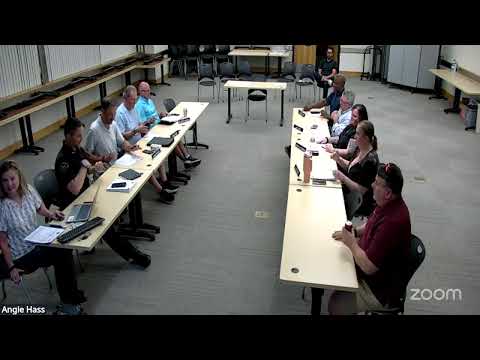
Sherwood city leaders told an advisory board meeting they must find new revenue to sustain police and other public-safety services and will continue planning before asking voters to pay more. The discussion centered on whether to propose a levy or a fee and on timing for a possible ballot measure.
The city’s police chief told the advisory board that the issue has been under discussion for months and that the city needs “to do something” to address long-term staffing and cost pressures. The chief said city staff and council will continue work sessions and hopes “we'll get it out next year” if the city asks voters for support, allowing time to develop messaging and a multi‑year plan.
Council members attending the meeting expressed support for asking the public to fund public safety but said the mechanics — levy versus fee, scale and timing — remain unresolved. One city councilor said, “There’s conversation around, do we wanna do a levy versus a fee?” and noted the city had seen two price points floated during council work sessions and a “pretty strong consensus” in favor of proposing a larger option to get ahead of needs rather than repeatedly playing catch up.
Councilors and the chief discussed election timing and legal constraints. Because a local citizen initiative changed voting rules for some measures, the city is unlikely to risk a May special election and instead would likely place a new public-safety measure on the November ballot. A council member warned that November general elections carry more ballot “clutter” but noted that some past one-time asks had succeeded at that time.
Speakers repeatedly framed the need as long-term: the chief urged the board to think five to 10 years ahead rather than only the next budget cycle. Councilors pointed to state budgeting limits, rising contract and insurance costs and slow growth that have squeezed municipal budgets.
Next steps from the advisory board were procedural: council and staff will continue work sessions to refine the proposal, outline the legal form (levy vs. fee), finalize a price and marketing plan, and return to advisory bodies for input before placing a measure on the ballot.
The meeting included comments about contract negotiations and labor costs affecting the budget but did not adopt any levy or fee at this session.
Why this matters: Sherwood officials say public-safety budgets face structural pressure from rising personnel and operating costs and slow revenue growth. The shape and timing of any request to voters will determine how quickly the city can stabilize services and staffing.
Looking ahead: Staff and council will continue the work-session process, refine cost estimates and messaging, and identify a recommended ballot form and schedule for voter consideration.