
Fire chief urges six hires, equipment funding and new replacement fund as CAD allocation draws scrutiny
Get AI-powered insights, summaries, and transcripts
Subscribe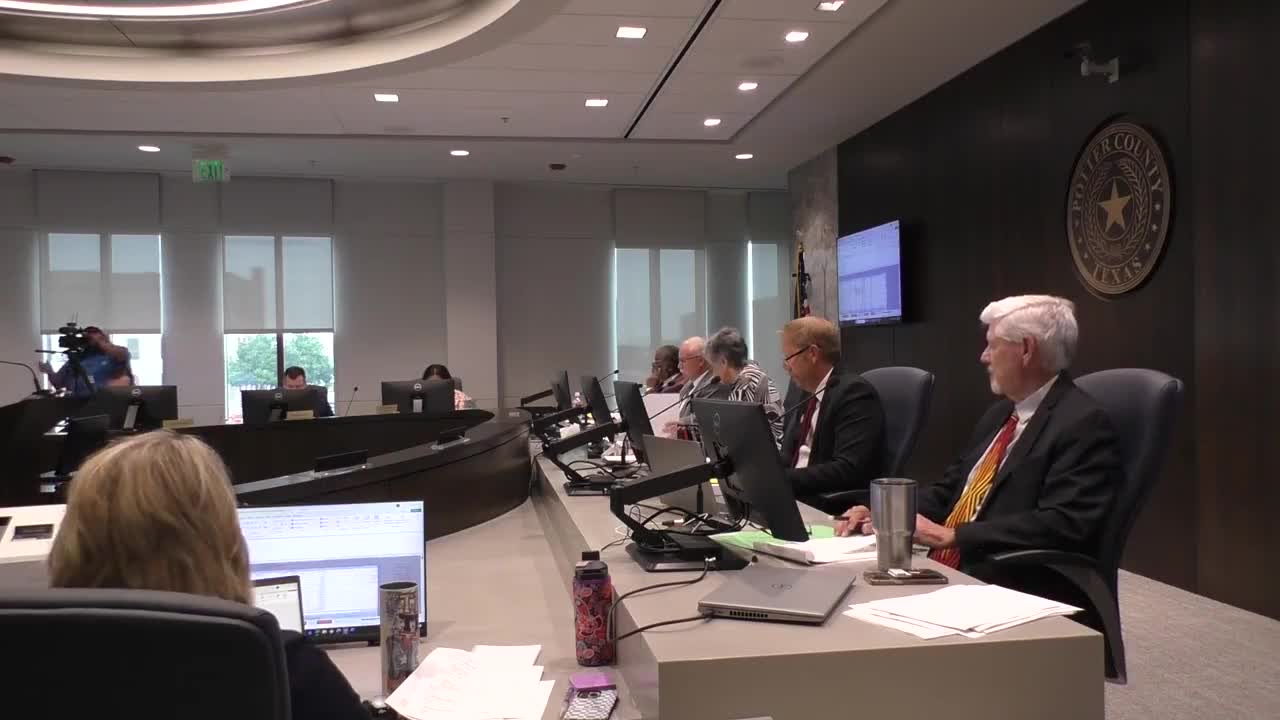
Summary
Potter County's fire department requested six additional firefighters and one‑time funding for air packs to shore up staffing and equipment, while commissioners debated whether the CAD sales‑tax allocation and a new replacement fund should be restructured to pay for ongoing needs.
The Potter County fire department asked commissioners to approve adding six firefighters and to shift funding for self-contained breathing apparatus (air packs) out of the CAD allocation into the county's fund balance (a one-time $864,000 move described by county staff) so the department could sustain staffing and equipment replacement.
Request and financials: county staff and the fire chief said the county's CAD (a 2% sales-tax revenue stream) yields roughly $2.2 million annually to the fire department under the current allocation formula. The chief said six firefighters would add approximately $458,000 in annual personnel costs (salary, retirement, insurance and payroll taxes). County staff said moving the air‑pack purchase into fund balance would reduce CAD capital pressure by about $864,000.
Operational case: the fire chief described chronic volunteer shortfalls and high dropped-call rates in prior years, saying the department has improved after prior hires but remains short of 24-hour staffing. The chief argued that moving to a 24‑hour staffing model would reduce overtime and improve emergency response times; he said the department needs 18 personnel to operate a full 24‑hour pattern but that six hires this year is the minimum to make progress.
CAD allocation debate and policy options: commissioners and staff discussed the historic CAD allocation split (40% fire, 30% road and bridge, 20% sheriff, 10% radios) and whether that distribution remains appropriate as equipment and staffing costs rise. Several commissioners suggested establishing a sinking/replacement fund (for apparatus, radios, station work and other capital needs) taken from CAD or from a small percentage set aside each year. Some commissioners urged policy and transparency changes before altering permanent allocations.
Longer-term concerns: county staff warned that forecasting sales-tax–based CAD revenue is uncertain and that recurring personnel costs funded from fund balance can deplete reserves over time. Commissioners and the chief discussed alternatives including an emergency services district, phased capital plans, and targeted sinking funds to preserve replacement capacity for vehicles and radios.
Court action: the chief asked for near-term approval of six hires and the air-pack funding move. The transcript records extended discussion and engagement from commissioners and staff about funding strategies but does not show a formal roll-call adoption of the six hires or a final reallocation vote in the provided excerpt.
Why it matters: staffing and equipment decisions affect emergency-response times and public safety in rural areas of the county; the debate juxtaposes immediate operational needs against long-term fiscal sustainability.