Get Full Government Meeting Transcripts, Videos, & Alerts Forever!
Get email alerts on the Criminal Justice And Budget topic
No spam. Unsubscribe anytime.
Council hears history of jail funding, current overcrowding and county-city tensions
Summary
Legal and administration staff briefed the council Sept. 4 on past agreements and current strains related to the county detention center, noting the city previously reduced millage to support the jail and later entered a court-approved payment agreement.
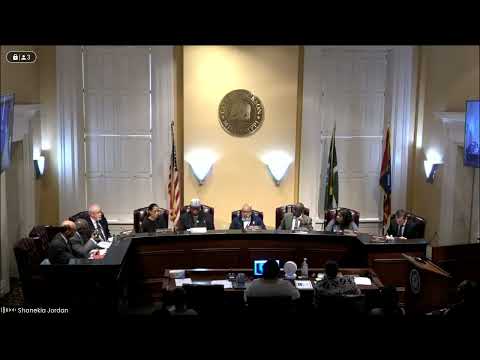
City legal staff and administrators briefed the Jackson City Council Sept. 4 on the historical and current funding arrangements for the county detention center and warned that overcrowding and new county requests could create budget pressure on the city.
Why it matters: the city previously reduced its millage decades ago in a coordinated arrangement intended to fund the county jail; later litigation and a 2007 agreement resulted in the city paying a flat annual amount under a settlement approved by the attorney general’s office and a court. Council members said they remain concerned about ongoing county requests and the prospect of the city paying additional operating costs.
What officials told the council: administration and legal staff recounted two key events. First, in the early 1990s the city lowered its millage while the county raised millage to provide funding for construction of a new jail in Raymond; second, litigation in the mid-2000s culminated in a 2007 agreement that imposed a flat yearly payment obligation on the city in recognition of earlier millage reductions. Legal counsel said the city has effectively paid twice to ensure jail operations. Staff added that the jail population has more than doubled since 2020 and that the county now houses many more prisoners than in prior years, creating operational strain.
Operational problem and intergovernmental dynamics: county officials have reportedly begun to ask for changes in the financial arrangement; city legal staff said the city is not automatically obligated to accept county-proposed changes and that prior agreements remain relevant. Administrators and council members called for a multi-party conversation between the city, county, sheriff, judges and district attorney to seek operational solutions — including improved adjudication timelines — because courtroom backlogs and slow case processing are contributing to extended jail stays.
Next steps: staff recommended collaborative talks among impacted entities to seek sustainable solutions and cautioned that constructing a new jail or otherwise shifting large volumes of inmates to new facilities would carry significant staffing and operational costs and take years to resolve. No new financial commitment was approved at the meeting.