
Hanover Park adopts ordinance limiting use of low‑speed electric and gas bicycles and scooters
Get AI-powered insights, summaries, and transcripts
Subscribe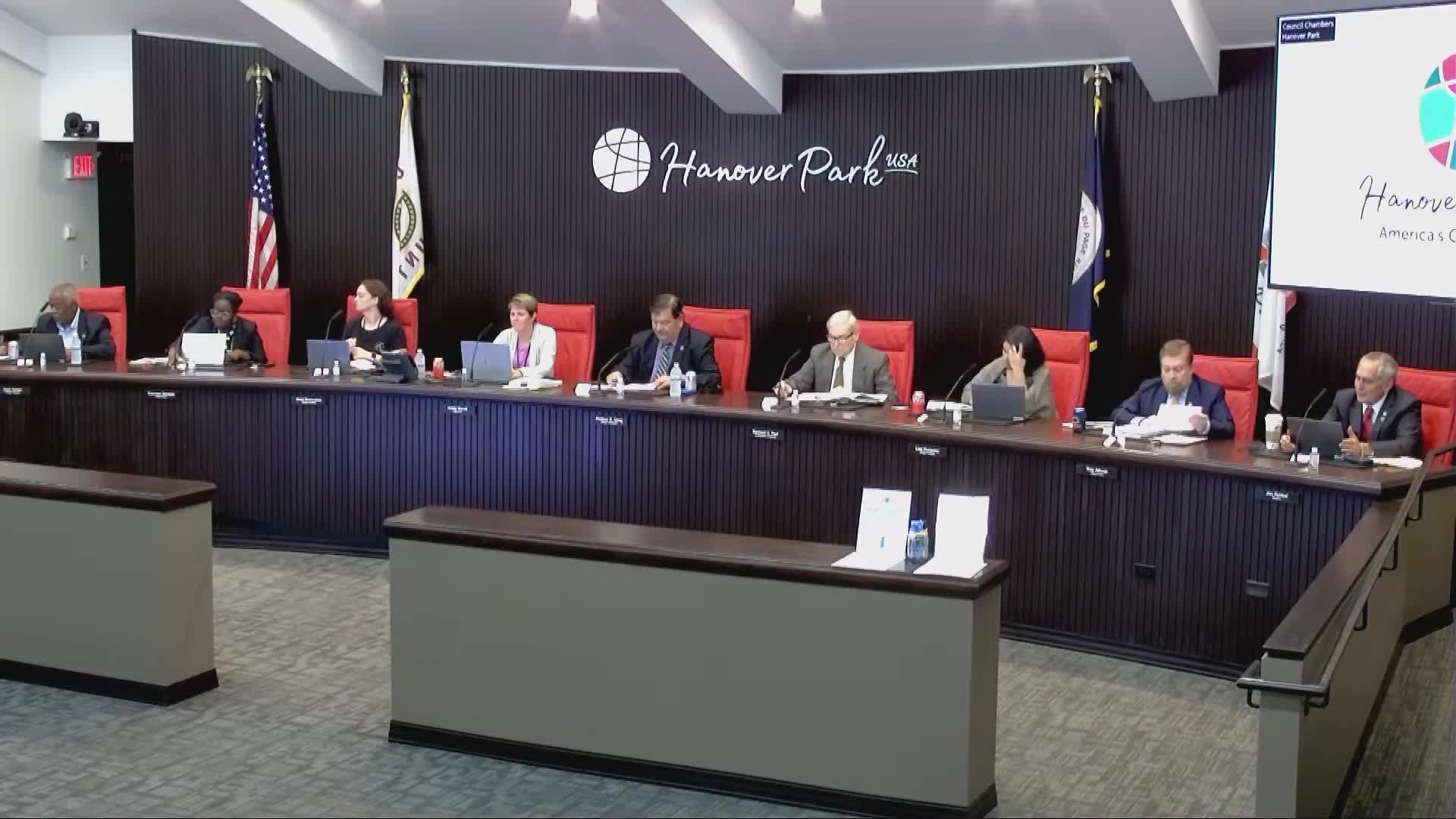
Summary
The Village of Hanover Park on Aug. 7 approved an ordinance that updates bicycle and scooter rules to cover low‑speed electric and gas‑powered devices, bans motorized use on sidewalks and multi‑use paths, sets age limits for motorized roadway use and emphasizes education and enforcement.
The Village of Hanover Park Board of Trustees on Aug. 7 approved an ordinance amending the village municipal code to add regulations for low‑speed electric and gas bicycles and scooters.
The ordinance, which trustees passed by roll call, changes the village’s bicycle rules to explicitly address newer motor‑assist devices and scooters and restricts their motorized use on sidewalks, multi‑use paths and other public property where motorized vehicles are not permitted. It allows a low‑speed electric bicycle to use a bicycle path or multi‑use path only if the motor is not engaged and treats a motor‑assisted device operating on a roadway similarly to a bicyclist when riders comply with traffic laws.
Mayor Christie Calderon said the measure was ready for a vote after trustees and staff worked on a draft and reviewed nearby jurisdictions and school policies. "We were working on this for quite a while," Trustee David Porter said, thanking police leadership for the work. Chief Keith Johnson said the replacement ordinance ‘‘will help, actually, because right now, we’re working off of an antiquated ordinance that really only address bicycles and scooters, but doesn’t cover any of these new ... ebikes that have really just popped up in the last few years.’’
Trustees and police described the ordinance as balancing safety and reasonable access. Porter, who serves as chair of the bicycle and pedestrian committee for the Northwest Mayors Municipal Conference, said residents had expressed safety concerns about riders ignoring stop signs, speeding on sidewalks and weaving between parked cars. "I’m glad that we’re able to take some steps to try to mitigate it and and to get it under control," Porter said.
Chief Johnson told trustees the ordinance provides officers with clearer enforcement authority and fits existing response patterns: calls about motorized devices on roadways, sidewalks and paths have been frequent, he said, and the new code language will allow officers to address those calls more efficiently. The chief and trustees also emphasized an education‑first approach: the village plans outreach through schools, homeowners associations, the village e‑news and social channels, and coordination with school districts.
Several trustees raised questions about enforcement burden and community impacts. The board explicitly declined to require a driver’s license to operate a motorized device, citing concerns that such a requirement would bar some commuters and students from using the devices; instead, the ordinance includes an age threshold for motorized roadway use (trustees discussed 16 as the benchmark) and requires compliance with traffic laws. Trustees noted that existing Illinois law — the Illinois Vehicle Code — already covers some conduct such as occupying or blocking a roadway.
Trustees said the village will monitor how the ordinance works in practice and revisit provisions if needed. Chief Johnson estimated the ordinance would take effect 10 days after publication by the village clerk, and the police department has prepared an outreach strategy to publicize the change.
Votes at the Aug. 7 meeting showed five trustees voting in favor, one abstention and the motion carried. The board and staff said enforcement will emphasize education and parental engagement for youth, with citations and other actions available if problems persist.
The ordinance text specifies where motor assist is prohibited, distinguishes between pedal‑only and motor‑assist operation for path access, references safety equipment expectations discussed by trustees and directs staff to coordinate public education. Trustees said they expect to monitor complaints and amend rules if patterns of misuse continue.